Xima: A Nourishing Cornerstone of Mozambican Cuisine

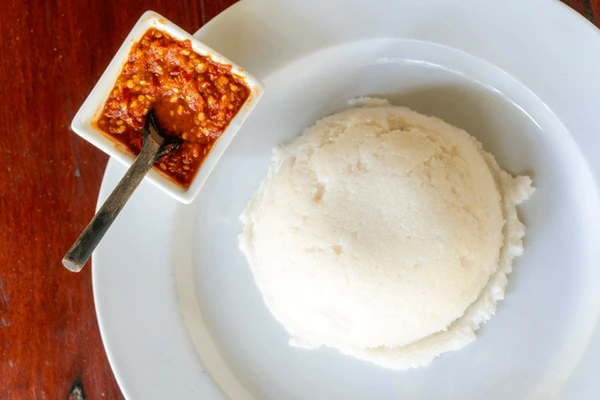
ranchosantafenow.net – Xima, also known as Shima, is a thick maize porridge that serves as a staple food for millions of Mozambicans. Similar to polenta or ugali, xima is a versatile dish that can be enjoyed with a variety of sauces, stews, and curries.

The Making of Xima

The process of making xima is relatively simple. Maize meal is slowly cooked in boiling water, stirring constantly to prevent lumps from forming. As the mixture thickens, it is traditionally removed from the heat and kneaded by hand until it reaches the desired consistency. This manual kneading process is often done by women and children, making it a communal activity.

The Versatility of Xima

Xima’s versatility makes it a beloved dish throughout Mozambique. It can be eaten on its own or paired with a variety of accompaniments. Some popular combinations include:

  • Xima com Feijão: Xima served with a bean stew.
  • Xima com Caldo de Galinha: Xima served with a chicken soup.
  • Xima com Espetada: Xima served with grilled meat skewers.
  • Xima com Frango à Piri-Piri: Xima served with spicy grilled chicken.

Cultural Significance

Xima holds significant cultural and social importance in Mozambique. It is often shared among family and friends, symbolizing unity and togetherness. The preparation and consumption of xima can be a communal experience, bringing people together and strengthening bonds.

A Nutritious Meal

Xima is not only delicious but also highly nutritious. Maize is a good source of carbohydrates, protein, and fiber. When paired with a variety of accompaniments, xima can provide a balanced and satisfying meal.

A Taste of Mozambique

For those looking to experience authentic Mozambican cuisine, xima is a must-try. Its simple yet satisfying flavor and versatility make it a true culinary delight. Whether enjoyed at a local market or a fine dining restaurant, xima offers a taste of Mozambique’s rich culinary heritage.

Pljeskavica: A Balkan Burger Beyond Compare

ranchosantafenow.net – Pljeskavica, a Balkan culinary delight, is a large, grilled meat patty that bears a striking resemblance to a burger. However, its distinct flavor profile, preparation techniques, and cultural significance set it apart from its American counterpart.

A Meat Lover’s Dream

The heart of pljeskavica lies in its meaty filling, typically a blend of ground beef and pork. The meat is generously seasoned with a combination of spices, including paprika, black pepper, and cumin, which impart a rich and savory flavor. Onions and garlic are often added to the mixture, enhancing the overall taste and aroma.

The Grilling Process

The grilling process is crucial in achieving the perfect pljeskavica. The meat patty is typically grilled over hot coals or on a griddle, resulting in a crispy exterior and a juicy interior. The high heat caramelizes the surface, creating a delicious crust that adds depth of flavor.

A Culinary Adventure

Pljeskavica is often served in a variety of ways, each offering a unique culinary experience. The most common way is to place the grilled patty on a piece of lepinja (flatbread) and top it with kajmak (a creamy cheese) and ajvar (a red pepper spread). This combination of flavors and textures is a true delight for the senses.

Another popular way to enjoy pljeskavica is to cut it into smaller pieces and serve it with a side of fries or a fresh salad. This variation allows for a more interactive dining experience, as diners can customize their own pljeskavica sandwiches.

A Cultural Icon

Pljeskavica is more than just a food; it’s a cultural icon that embodies the spirit of the Balkans. It’s a dish that brings people together, fostering a sense of community and shared culinary heritage. Whether enjoyed at a traditional kafana (tavern) or a modern restaurant, pljeskavica remains a beloved and enduring symbol of Balkan cuisine.

Chèvre: A Versatile Goat Cheese – A Delicate & Tangy Delight

ranchosantafenow.net – Chèvre, a type of cheese made from goat’s milk, is a versatile and delicious ingredient that has been enjoyed for centuries. Its delicate, tangy flavor and creamy texture make it a popular choice among cheese enthusiasts.

A Global Delight

While goat cheese has been produced for centuries in various regions around the world, the term “chèvre” is most commonly associated with French goat cheese. However, today, goat cheese is produced in many countries, each with its own unique style and flavor profile.

Types of Chèvre

Chèvre comes in a variety of styles, ranging from soft and spreadable to firm and crumbly. Some of the most popular types of chèvre include:

  • Fresh Chèvre: This type of chèvre is soft, creamy, and mild in flavor. It is often used in salads, dips, and spreads.
  • Aged Chèvre: Aged chèvre has a more intense flavor and a firmer texture. It is often aged for several weeks or even months.
  • Log Chèvre: This type of chèvre is shaped into a log and often has a bloomy rind. It can be mild or tangy, depending on the age.
  • Chèvre with Herbs: Chèvre can be infused with herbs such as garlic, herbs de Provence, or peppercorns, adding complexity to the flavor.

How to Enjoy Chèvre

Chèvre is a versatile cheese that can be enjoyed in a variety of ways. It can be eaten on its own, with bread, or paired with fruits such as figs or grapes. Chèvre is also a popular ingredient in many recipes, including salads, tarts, quiches, and pasta dishes.

A Culinary Delight

Chèvre is a delicious and versatile cheese that can be enjoyed by people of all ages. Its delicate flavor and creamy texture make it a perfect addition to any cheese plate or recipe. Whether you prefer it fresh and mild or aged and tangy, chèvre is sure to delight your taste buds.

The Goji Berry: A Tiny Superfood – A Nutritional Powerhouse

ranchosantafenow.net – The goji berry, a small, bright red fruit native to Asia, has gained significant popularity in recent years due to its impressive nutritional profile and potential health benefits. Often referred to as a “superfood,” the goji berry has been used in traditional Chinese medicine for centuries.

A Nutritional Powerhouse

Goji berries are packed with essential vitamins, minerals, and antioxidants. Some of the key nutrients found in goji berries include:

  • Vitamin C: A potent antioxidant that boosts immunity and promotes skin health.
  • Vitamin A: Essential for good vision and overall eye health.
  • Iron: Important for oxygen transport in the blood.
  • Zinc: Essential for immune function and wound healing.
  • Polysaccharides: Complex carbohydrates that may have immune-boosting properties.

Health Benefits of Goji Berries

The impressive nutritional profile of goji berries offers a wide range of potential health benefits:

  1. Boosts Immunity: The high levels of vitamin C and antioxidants in goji berries can help strengthen the immune system, protecting the body against infections and diseases.
  2. Promotes Eye Health: The vitamin A content of goji berries can help improve vision and protect against age-related macular degeneration.
  3. Supports Liver Health: Some studies suggest that goji berries may help protect the liver from damage caused by toxins.
  4. Aids in Digestion: The fiber content of goji berries aids digestion, preventing constipation and promoting regular bowel movements.
  5. Anti-Aging Properties: The antioxidants in goji berries may help reduce oxidative stress, which can contribute to aging.

How to Enjoy Goji Berries

Goji berries can be enjoyed in various ways:

  • Fresh: Fresh goji berries can be eaten directly, added to salads, or used as a garnish.
  • Dried: Dried goji berries are a convenient and popular snack. They can be eaten on their own or added to cereals, yogurt, or trail mix.
  • Juice: Goji berry juice is a refreshing and healthy beverage.
  • Supplements: Goji berries are also available in supplement form, such as capsules and powders.

Conclusion

The goji berry, with its vibrant color, sweet and tart flavor, and impressive nutritional profile, is a truly superfood. Whether you enjoy them fresh, dried, or in supplement form, goji berries are a delicious and healthy addition to any diet.

Pão de Queijo: The Irresistible Brazilian Cheese Bread Delight

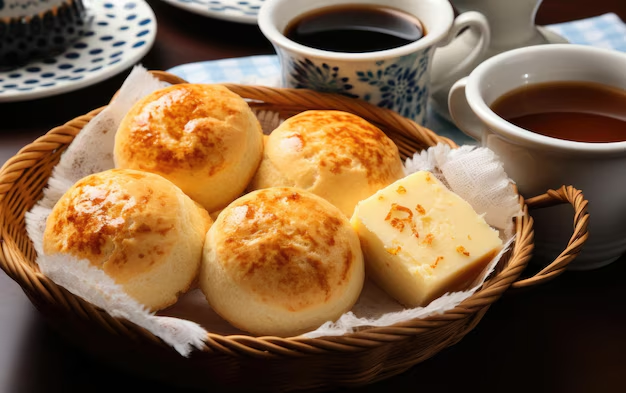
ranchosantafenow.net – Pão de Queijo, translating to “cheese bread” in Portuguese, is a beloved Brazilian snack that has captured the hearts and taste buds of people around the world. These delightful cheesy bread balls are not only a staple in Brazilian cuisine but also a delicious treat that can be enjoyed at any time of the day. Let’s dive into the history, ingredients, and ways to enjoy this irresistible snack.

A Glimpse into History

The origins of Pão de Queijo can be traced back to the state of Minas Gerais in Brazil, where it has been a popular culinary delight since the 18th century. The initial versions of this snack were quite different from what we enjoy today. Originally, the indigenous people of Brazil would use cassava (or tapioca) flour to make bread-like products. Over time, with the introduction of dairy products by European colonizers, cheese was incorporated into the recipe, resulting in the cheesy goodness we know and love today.

The Simple Yet Flavorful Ingredients

One of the reasons Pão de Queijo is so adored is its simplicity. The primary ingredients include:

  • Tapioca Flour: This gluten-free flour gives the bread its unique chewy texture.
  • Cheese: Traditionally, Minas cheese is used, but in its absence, Parmesan or any semi-hard cheese can be a great substitute.
  • Milk: Adds moisture and helps in binding the ingredients together.
  • Eggs: Contribute to the rich texture and flavor.
  • Oil or Butter: Provides richness and enhances the flavor.

These ingredients come together to create a dough that, once baked, transforms into golden, crispy-on-the-outside, and soft-on-the-inside cheese balls.

Enjoying Pão de Queijo

Pão de Queijo is incredibly versatile and can be enjoyed in various ways:

  • As a Snack: Perfect for any time of the day, whether as a breakfast accompaniment or an afternoon snack.
  • With Coffee: A popular combination in Brazil, pairing these cheese balls with a hot cup of coffee creates a delightful balance of flavors.
  • Stuffed Variations: Some enjoy stuffing Pão de Queijo with additional ingredients like ham, cream cheese, or even chocolate for a sweet twist.

The Global Popularity

Pão de Queijo’s popularity has grown beyond Brazilian borders, with many international bakeries and cafes offering their versions of this treat. Its gluten-free nature makes it an appealing choice for those with dietary restrictions, while its cheesy flavor and delightful texture make it a favorite among food lovers everywhere.

In conclusion, Pão de Queijo is much more than just a cheese bread ball; it is a symbol of Brazilian culinary tradition that brings joy to all who taste it. Whether you’re enjoying it in a bustling Brazilian market or baking a batch at home, Pão de Queijo is sure to delight your senses and leave you craving more.

The Breadbasket of Antiquity: Foods of the Nile Delta

ranchosantafenow.net – The Nile Delta, often referred to as the “Breadbasket of Antiquity,” was a fertile region that provided sustenance for the ancient Egyptian civilization. This lush area, formed by the Nile River’s distributaries, supported a rich diversity of crops and foods that were central to the Egyptian diet, economy, and culture. This article explores the primary foods of the Nile Delta and their significance in ancient Egyptian society.

The Fertile Lands of the Nile Delta

The Nile Delta’s fertility was unparalleled in the ancient world. The annual inundation of the Nile deposited nutrient-rich silt across the land, creating ideal conditions for agriculture. This natural phenomenon allowed the Egyptians to cultivate a wide variety of crops, ensuring food security for the civilization.

Staple Crops

Wheat and Barley

Wheat and barley were the cornerstone grains of the Nile Delta. Wheat, particularly emmer wheat, was used to make bread, the primary staple of the Egyptian diet. Barley, on the other hand, was primarily used for brewing beer, a popular beverage among all social classes.

Lentils and Legumes

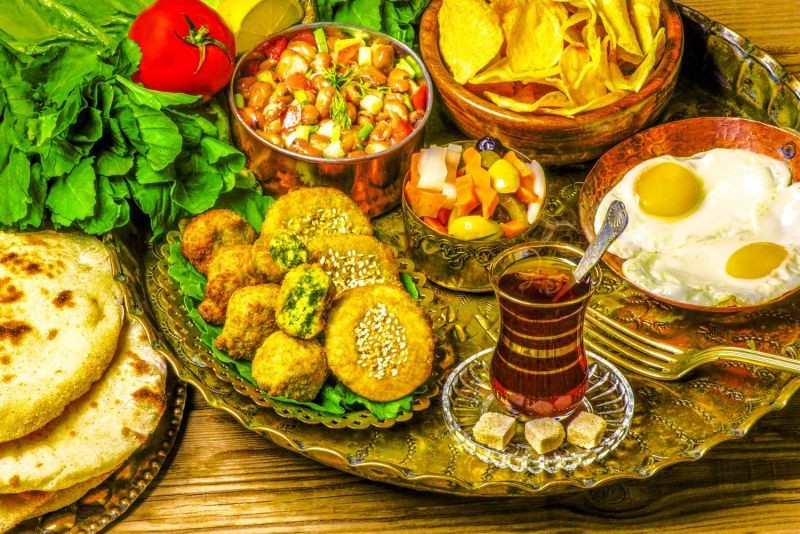
Lentils, chickpeas, and other legumes were also widely grown. These provided essential proteins and nutrients, complementing the grain-heavy diet. Legumes were often cooked in stews or ground into pastes and served with bread.

Fruits and Vegetables

The Nile Delta’s climate was perfect for growing a variety of fruits and vegetables. Onions, garlic, leeks, and cucumbers were common, adding flavor and nutrition to Egyptian meals. Fruits such as dates, figs, and pomegranates were also cultivated, often enjoyed as snacks or used in sweet dishes.

Animal Husbandry and Fishing

While plant-based foods dominated the diet, animal husbandry and fishing were also important. Cattle, sheep, and goats provided meat, milk, and wool. The Nile River was a rich source of fish, which were consumed fresh or preserved through drying and salting.

Cultural and Economic Impact

The abundance of the Nile Delta enabled the ancient Egyptians to support a complex society with a large population. The surplus of food allowed for the specialization of labor, contributing to advances in art, science, and governance. Additionally, the agricultural wealth of the Delta facilitated trade with neighboring regions, spreading Egyptian influence throughout the Mediterranean.

Conclusion

The foods of the Nile Delta were integral to the prosperity and stability of ancient Egypt. The region’s agricultural bounty not only fed the population but also fueled the economic and cultural achievements of one of history’s greatest civilizations. The legacy of the Nile Delta as the “Breadbasket of Antiquity” continues to be remembered as a testament to the ingenuity and resilience of the ancient Egyptians.

Transforming Ingredients into Masterpieces: The Flavor Alchemist

ranchosantafenow.net – In the culinary world, there exists a rare breed of chefs who are not just cooks, but artists. These individuals, often referred to as flavor alchemists, possess the unique ability to transform ordinary ingredients into extraordinary masterpieces. Their kitchens are their laboratories, where they experiment with flavors, textures, and techniques to create dishes that are as visually stunning as they are delicious.

The Art of Culinary Alchemy

Culinary alchemy is the process by which a flavor alchemist takes the essence of ingredients and manipulates them to create something entirely new. This art form requires a deep understanding of the chemical and physical properties of food, as well as a creative flair that allows the chef to think outside the traditional culinary box.

Ingredient Selection and Preparation

The foundation of any masterpiece begins with the selection of the finest ingredients. A flavor alchemist knows that the quality of the raw materials is paramount. They source their ingredients with the utmost care, often working directly with farmers and artisans to ensure that they are of the highest quality and freshness.

Once the ingredients are selected, the preparation process is meticulous. Each component is treated with respect, prepared in a way that enhances its natural flavors and textures. This could involve traditional methods like pickling, fermenting, or smoking, or more modern techniques such as sous-vide cooking or molecular gastronomy.

The Alchemy of Flavor

The true magic happens when the flavor alchemist begins to combine these prepared ingredients. They understand the balance of flavors—sweet, sour, salty, bitter, and umami—and how to harmonize them to create a symphony on the palate. Spices, herbs, and other seasonings are used not just for their taste, but for their ability to elevate the overall dish.

Texture and Presentation

Just as important as flavor is the texture of the food. A flavor alchemist will manipulate cooking times and temperatures to achieve the perfect consistency, whether it’s the crispness of a fried shallot or the silkiness of a well-made sauce.

Presentation is the final touch that turns a dish from a meal into a masterpiece. The way food is arranged on the plate can influence the diner’s perception of flavor. A flavor alchemist uses this to their advantage, creating visually stunning compositions that tantalize the senses before the first bite is even taken.

The Role of Technology and Innovation

In the modern kitchen, technology plays a significant role in the alchemy of flavors. Tools like immersion circulators, dehydrators, and liquid nitrogen allow chefs to push the boundaries of what is possible. Flavor alchemists embrace these innovations, using them to create dishes that would have been unimaginable just a few decades ago.

Conclusion

The flavor alchemist is a modern-day wizard, transforming the mundane into the magnificent. Through a combination of skill, creativity, and a deep understanding of the culinary arts, they continue to push the boundaries of what food can be. Their masterpieces are not just meals; they are experiences that challenge and delight the senses, leaving a lasting impression on all who are fortunate enough to partake.

The World of Dried Meat Snacks: Jerky Journey

ranchosantafenow.net – The journey through the world of dried meat snacks, commonly known as jerky, is a culinary adventure that spans centuries and continents. Jerky, in its most basic form, is meat that has been trimmed of fat, cut into strips, and then dried to prevent spoilage. This preservation process not only extends the meat’s shelf life but also concentrates its protein content, making it a high-energy, portable snack. From the ancient Incas and Native Americans to modern-day food enthusiasts, the allure of jerky lies in its simplicity, versatility, and the rich flavors that can be achieved through various seasonings and preparation methods.

Historical Roots of Jerky

The history of jerky is as old as civilization itself. The term “jerky” is believed to be derived from the Quechua word “charqui,” which means dried meat. The Incas were among the first to create a form of jerky, which was essential for their survival in the Andean highlands. Similarly, Native Americans crafted their version of jerky by drying strips of meat in the sun or over smoky fires, a practice that was crucial for sustenance during long hunting expeditions and migrations.

Global Varieties of Jerky

Jerky has evolved into a global phenomenon, with each culture adding its unique twist to the traditional dried meat snack.

American Jerky

In the United States, beef jerky is the most popular variety, often seasoned with a blend of soy sauce, Worcestershire sauce, garlic, and black pepper. However, there’s also a growing trend of experimenting with different meats such as bison, turkey, and even exotic meats like kangaroo.

Asian Jerky

Asian countries have their own take on jerky, with flavors that reflect their culinary traditions. Chinese beef jerky, for example, might include ingredients like five-spice powder and hoisin sauce, while Filipino “tapa” is a type of cured and marinated beef that is similar to jerky in texture and preparation.

South American Jerky

In South America, the tradition of charqui continues, with variations that include the use of llama or alpaca meat, reflecting the region’s Andean heritage.

The Art of Making Jerky

The process of making jerky is both an art and a science. It involves selecting the right cuts of meat, marinating them in a flavorful concoction, and then drying them to the perfect texture. The key to great jerky lies in the balance between tenderness and chewiness, achieved through precise control of the drying process.

Health Benefits and Nutritional Value

Jerky is celebrated not only for its taste but also for its nutritional benefits. It is a rich source of protein, essential for muscle repair and growth. However, it’s important to choose lean meats and watch out for high sodium content in commercially produced jerky. Homemade versions offer the opportunity to control the ingredients and reduce the amount of salt and preservatives.

The Future of Jerky

As consumers become more health-conscious and seek convenient, on-the-go snacks, the popularity of jerky continues to grow. Innovations in jerky production, including the use of organic meats and unique flavor combinations, are expanding the market and introducing new generations to the joys of this ancient snack.

Conclusion

The journey through the world of dried meat snacks is a testament to the ingenuity and resourcefulness of cultures around the globe. From its humble beginnings as a survival food to its current status as a beloved snack, jerky’s enduring appeal lies in its simplicity, versatility, and the endless possibilities for flavor and innovation. Whether you’re a seasoned jerky aficionado or a curious newcomer, there’s a jerky out there for everyone to enjoy.

Beginner’s Guide to Cultivation: Fruit Growing at Home

Growing fruits at home is a rewarding endeavor that not only beautifies your garden but also provides you with fresh, organic produce. Whether you have a spacious backyard or a small balcony, there’s a fruit-growing project that’s perfect for you. This beginner’s guide will walk you through the essential steps to successfully cultivate fruit at home.

1. Choosing the Right Fruits

The first step in fruit cultivation is selecting the right fruits for your climate and space. Consider factors such as the USDA Hardiness Zone you live in, the amount of sunlight your garden receives, and the space you have available. Some fruits that are generally easy to grow and suitable for beginners include:

  • Berries: Strawberries, raspberries, and blueberries are relatively easy to grow and can thrive in containers if space is limited.
  • Citrus: Dwarf varieties of oranges, lemons, and limes can be grown in pots and brought indoors during colder months in less temperate climates.
  • Apples and Pears: Some dwarf varieties are suitable for smaller gardens and can be grown in large containers.
  • Stone Fruits: Peaches, nectarines, and cherries can be grown in warmer climates and require full sunlight.

2. Preparing the Soil

Good soil is the foundation of a healthy fruit garden. Most fruits prefer well-draining soil rich in organic matter. Before planting, amend your soil with compost, well-rotted manure, or a balanced fertilizer to ensure it has the nutrients needed for fruit development. If you’re growing in containers, use a high-quality potting mix designed for fruit trees or berries.

3. Planting Your Fruits

  • Timing: Plant your fruits at the right time. For most trees and bushes, the best time to plant is in early spring or late fall, while for berries, it’s usually spring after the last frost.
  • Spacing: Follow the spacing guidelines on the plant label or provided by your local nursery. Proper spacing ensures that plants have enough room to grow and receive adequate sunlight.
  • Planting: Dig a hole twice the width of the root ball but just as deep. Gently place the plant in the hole, making sure the root crown (where the roots meet the stem) is at soil level. Backfill with soil, gently firming it around the roots. Water thoroughly after planting.

4. Ongoing Care

  • Watering: Regular, deep watering is crucial, especially during the first few years and during fruit development. Ensure the soil is moist but not waterlogged.
  • Pruning: Pruning helps maintain the shape of the plant, increases air circulation, and allows more light to reach the fruit, which improves quality. Learn the specific pruning techniques for the fruits you’re growing.
  • Fertilizing: Feed your plants in early spring with a balanced fertilizer or compost to support healthy growth and fruit production.
  • Pest and Disease Management: Monitor your plants regularly for signs of pests or diseases. Use organic methods such as neem oil, insecticidal soap, or introducing beneficial insects to control pests.

5. Harvesting

  • Timing: Harvest your fruits at the right time for the best flavor and to avoid overripe or underripe produce. The timing can vary depending on the fruit type and variety.
  • Method: Use the right harvesting method to avoid damaging the plant. For example, twist and pull gently for berries, and use clippers for fruits on trees.

6. Enjoy and Share

The most rewarding part of growing fruits at home is enjoying the fresh, delicious produce. Whether you’re making a pie from your own apples, a salad with homegrown berries, or sharing your harvest with friends and family, the joy of homegrown fruit is unparalleled.

Growing fruits at home is a journey that combines patience, care, and a bit of science. With the right preparation and ongoing attention, you can enjoy a bountiful harvest year after year. Happy gardening!