Martha – Behind Bars (2005): Martha Stewart’s Time in Prison

ranchosantafenow.net – Martha: Behind Bars (2005) is a made-for-television drama that continues the story of Martha Stewart’s rise to fame and subsequent fall from grace. Directed by Paul Schneider, the film follows the events of Stewart’s highly publicized conviction for obstruction of justice and conspiracy, leading to her 2004 sentence and time served in a federal correctional facility. Starring Cybill Shepherd as Stewart, Martha: Behind Bars provides a unique and dramatized look into Stewart’s time in prison, offering viewers a glimpse into the behind-the-scenes struggles, emotional resilience, and eventual triumph of a woman who had once seemed invincible.

The Story: Martha Stewart’s Prison Sentence and Her Struggles Behind Bars

Martha: Behind Bars focuses on the aftermath of Martha Stewart’s insider trading conviction. The film picks up after the media frenzy surrounding her trial and conviction, highlighting Stewart’s initial shock and disbelief at being sentenced to five months in a federal prison. The film delves into her time spent at the minimum-security West Virginia facility, where she was forced to adapt to a drastically different world than the glamorous one she had once known.

The drama shows Stewart grappling with the realities of prison life, including the lack of personal freedom, the isolation from her family and friends, and the constant scrutiny from both the media and fellow inmates. The film explores how Stewart managed to maintain her composure and dignity while navigating the challenges of her new life behind bars. Despite her fall from grace, Stewart continues to exhibit her famous work ethic, helping others within the prison, offering advice, and even using her skills to improve her circumstances, including taking on a role as an advisor for the prison’s culinary programs.

The film also emphasizes Stewart’s ability to adapt to the situation, maintaining a sense of optimism and focus on her future despite the hardships. As the story unfolds, Martha: Behind Bars illustrates Stewart’s inner strength and resilience, showing how she slowly begins to accept the reality of her situation while strategizing about her eventual return to the public eye and the rebuilding of her empire.

Themes of Resilience, Redemption, and the Price of Fame

At the heart of Martha: Behind Bars is the theme of resilience. The film portrays Martha Stewart as a woman who, despite being publicly disgraced and personally challenged, refuses to give up or be broken by her circumstances. Through Stewart’s experiences in prison, the film explores how her time behind bars becomes a test of character, showing that even in the most difficult situations, she remains focused on her ability to overcome adversity.

The theme of redemption is another important element of the film. Stewart’s legal troubles, and the media circus that surrounded her conviction, had irreparably damaged her public image. Martha: Behind Bars delves into Stewart’s efforts to rebuild her reputation during her incarceration, as she continues to focus on self-improvement and helping others within the prison system. Her ability to reinvent herself and maintain hope during such a trying period lays the groundwork for her eventual reintegration into society.

The film also touches on the broader theme of the price of fame. Stewart, who had once enjoyed a perfect public image as the queen of domesticity, now faces the consequences of her public fall. The media’s intense focus on her every move, both before and after her conviction, serves as a commentary on the dangers of living under constant public scrutiny. Through Stewart’s journey, the film suggests that the cost of fame can be incredibly high, as it strips away privacy, personal freedom, and the ability to live a normal life.

Cybill Shepherd’s Performance: A Strong and Nuanced Portrayal of Martha Stewart

Cybill Shepherd’s portrayal of Martha Stewart in Martha: Behind Bars is one of the key highlights of the film. Shepherd once again takes on the role of the famed businesswoman, this time focusing on the more vulnerable and resilient side of Stewart’s character. Shepherd’s performance is both strong and nuanced, capturing Stewart’s determination, elegance, and stoicism in the face of adversity.

Through Shepherd’s portrayal, viewers are able to see the internal turmoil and emotional strain that Stewart experiences during her time in prison. While the film dramatizes certain aspects of Stewart’s life behind bars, Shepherd’s performance conveys the authenticity of Stewart’s inner strength and the complexity of her emotions as she tries to cope with the drastic changes in her life. Shepherd brings humanity and depth to Stewart, making her not just a public figure but a woman dealing with the consequences of her actions and trying to regain control of her life.

Prison Life: A Dramatized Exploration of the System

While Martha: Behind Bars takes dramatic liberties with some aspects of Stewart’s life in prison, it also provides a fascinating glimpse into the realities of life in a federal correctional facility. The film depicts Stewart adjusting to her new environment, navigating relationships with other inmates, and facing the difficulties of being a high-profile prisoner.

In addition to Stewart’s personal struggles, the film explores the interactions between Stewart and the other women in the prison. Some of her fellow inmates view her with a mixture of curiosity, resentment, and admiration. Stewart’s reputation as a successful businesswoman and her infamous legal troubles make her both an object of fascination and a source of tension within the prison.

The film also touches on the institutional aspects of prison life, including the routines, limitations, and challenges that Stewart faces. While the setting is dramatized for narrative effect, Martha: Behind Bars provides insight into the dehumanizing effects of incarceration, even for someone like Stewart, who once had everything.

The Rebuilding of Martha Stewart’s Brand and Public Image

As the film progresses, Martha: Behind Bars shifts toward Stewart’s eventual return to the public eye and her efforts to rebuild her brand and business empire. Following her release from prison, Stewart begins to take steps toward re-establishing her television show and product lines, facing the challenge of regaining the trust of her audience and the public. The film portrays Stewart’s tenacity and drive as she works to overcome the public’s lingering doubts about her character and work ethic.

The rebuilding process is portrayed as a gradual one, with Stewart focusing on staying true to her values and working toward regaining the respect she had once commanded. The film emphasizes that her time in prison was a turning point in her career, offering a renewed sense of purpose and clarity in her personal and professional life.

Critical Reception and Legacy

Martha: Behind Bars received mixed reviews from critics. While many praised Cybill Shepherd’s performance as Martha Stewart, the film’s portrayal of Stewart’s time in prison was seen as somewhat overly dramatic. The film was lauded for showing Stewart’s resilience and emotional growth during a difficult period in her life, but some critics felt it glossed over the more serious aspects of her conviction and prison experience.

However, Martha: Behind Bars is an important cultural document that continues the story of one of the most high-profile scandals of the early 21st century. It adds to the complex portrait of Martha Stewart as a woman who reinvented herself in the face of personal and professional catastrophe. For many viewers, the film serves as a reminder of Stewart’s remarkable journey of redemption and the power of perseverance in the face of adversity.

Conclusion: A Story of Strength, Redemption, and the Power of Reinvention

Martha: Behind Bars (2005) is a captivating and dramatized account of Martha Stewart’s time in prison and her eventual efforts to rebuild her life and career. The film focuses on Stewart’s resilience, redemption, and emotional growth as she navigates the challenges of incarceration and the aftermath of her public disgrace. Cybill Shepherd’s strong and nuanced performance as Martha Stewart anchors the film, making it a compelling watch for those interested in the complex life of one of America’s most iconic and controversial figures. Ultimately, Martha: Behind Bars is a story of reinvention, demonstrating that even the most challenging setbacks can lead to new beginnings.
Exploring the Thrills and Intrigue of The Thieves (2012)

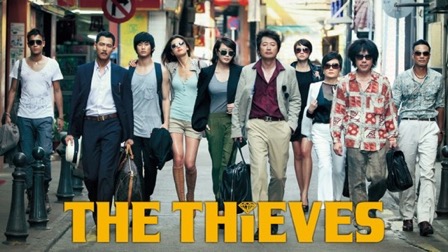
ranchosantafenow.net – Choi Dong-hoon’s 2012 South Korean heist film, The Thieves (Dodookdeul), is a star-studded, action-packed caper that brings together a team of skilled thieves from Korea and Hong Kong for a high-stakes heist in Macau. With its intricate plot, charismatic characters, and thrilling action sequences, The Thieves became a massive box office hit and a beloved entry in the heist genre. This article delves into the film’s narrative, characters, themes, and its impact on Korean cinema.

A Diamond, a Plan, and a Whole Lot of Trouble: Plot Summary

The film revolves around a group of professional thieves in Korea led by the charismatic Macao Park. They team up with a Hong Kong-based crew led by the legendary Chen for a lucrative heist: stealing a $30 million diamond necklace known as “Tears of the Sun” from a heavily guarded casino in Macau.

As the two teams work together, intricate relationships and rivalries develop, and hidden agendas begin to surface. The heist itself is fraught with unexpected twists and turns, as the thieves encounter unexpected obstacles and betrayals. The film unfolds as a complex game of cat and mouse, with each character vying for the diamond and their own survival.

A League of Extraordinary Thieves: Character Analysis

The Thieves boasts a large and talented ensemble cast, each bringing their unique skills and personalities to the team:

  • Macao Park: Played with effortless charm by Kim Yun-seok, Macao Park is the mastermind behind the heist, a seasoned thief with a mysterious past.
  • Popeye: Portrayed with roguish charm by Lee Jung-jae, Popeye is a skilled safe-cracker and Macao Park’s right-hand man.
  • Pepsi: Played with captivating energy by Kim Hye-soo, Pepsi is a legendary safe-cracker recently released from prison, adding another layer of complexity to the team dynamics.
  • Chen: Played with seasoned charisma by Simon Yam, Chen is the leader of the Hong Kong crew, bringing his own experience and expertise to the operation.
  • Andrew: Portrayed with cunning charm by Kim Soo-hyun, Andrew is the youngest member of the Korean team, adding a touch of youthful energy to the group.

Themes of Trust, Betrayal, and the Pursuit of Fortune

The Thieves explores several classic heist film themes:

  • Trust and Betrayal: The film delves into the fragile nature of trust within a group of criminals. As the heist unfolds, alliances shift, and betrayals become inevitable, highlighting the inherent risks of the criminal underworld.
  • The Pursuit of Fortune: The allure of wealth and the desire for a big score drive the characters’ actions. The diamond necklace represents not just money but also a chance for a better life, even if it means risking everything.
  • Teamwork and Individual Ambition: The film explores the delicate balance between teamwork and individual ambition within a heist crew. While cooperation is essential for success, individual desires and hidden agendas can threaten the entire operation.

A Blockbuster Heist with International Flair: Impact and Legacy

The Thieves became one of the highest-grossing films in South Korean history, attracting a massive audience with its star-studded cast, its thrilling action sequences, and its intricate plot.

The film’s success showcased the growing popularity of Korean cinema on the international stage and demonstrated the appeal of well-crafted heist films. Its influence can be seen in subsequent Korean crime films that explore similar themes of teamwork, betrayal, and high-stakes heists.

Conclusion

The Thieves is a highly entertaining and stylish heist film that delivers on its promise of thrills, intrigue, and charismatic characters. The film’s intricate plot, combined with its strong performances and exciting action sequences, makes it a truly enjoyable cinematic experience. Its success has solidified its place as a modern classic of the Korean heist genre and a testament to the power of well-executed genre filmmaking.

Fengshui (2018): The Power of the Ambitions of Men

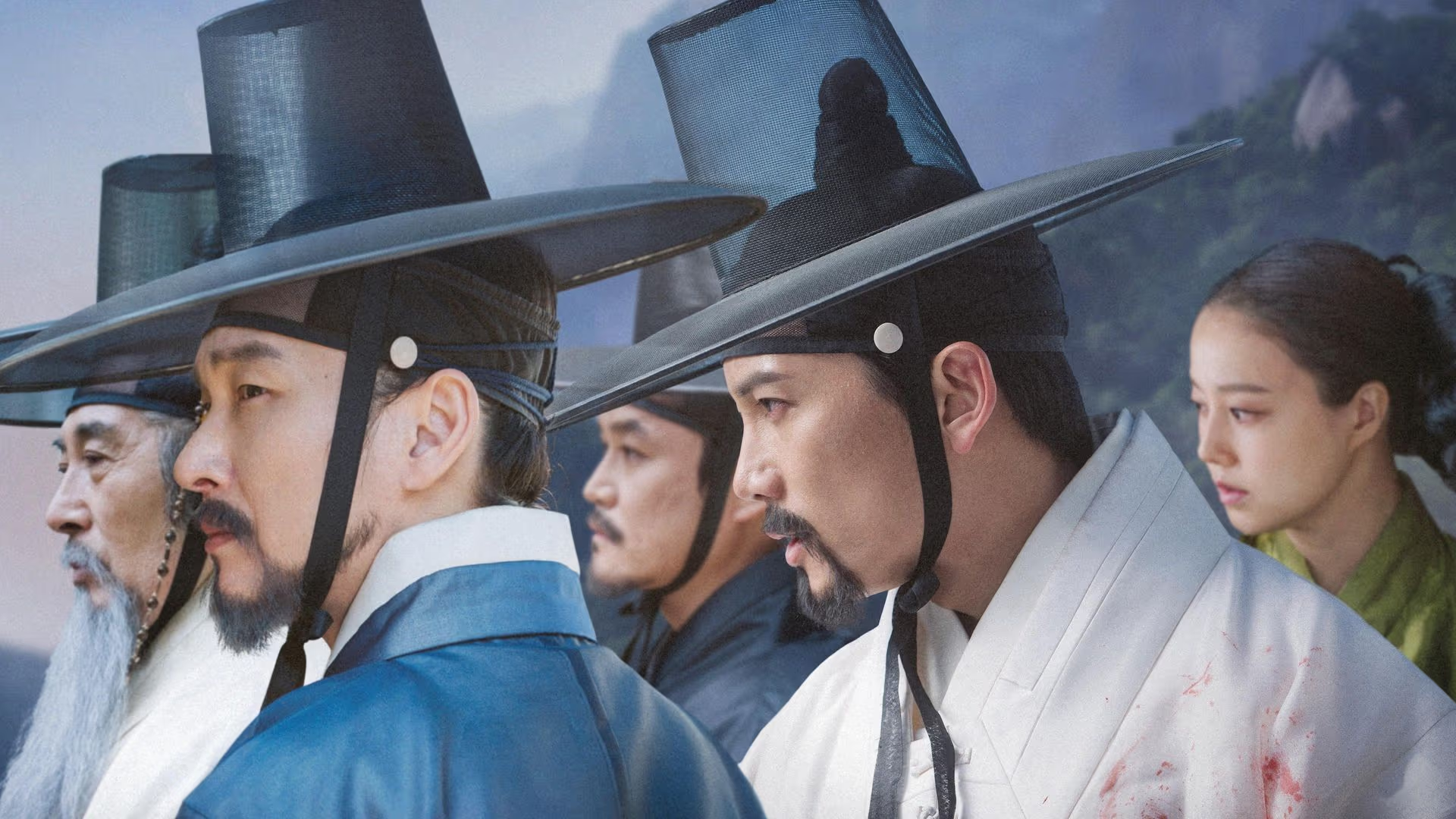
ranchosantafenow.net – “Fengshui” (Korean: 명당; Myeongdang), released in 2018, is a South Korean historical drama film directed by Park Hee-gon. Set during the Joseon Dynasty, the film revolves around the practice of feng shui, or geomancy, the ancient art of arranging structures and objects in relation to the flow of energy (qi) to harmonize with the natural environment. “Fengshui” weaves a tale of ambition, power struggles, and the belief that the fate of individuals and nations can be influenced by the location of their ancestral graves.   

The Belief in Feng Shui in Joseon Korea

Feng shui held significant cultural importance in Joseon Korea, deeply ingrained in the beliefs and practices of the people. It was believed that the location of burial sites, in particular, could have a profound impact on the fortunes of descendants. “Fengshui” explores this belief system, showcasing the intricate principles and practices associated with geomancy.   

Park Jae-sang: A Genius Geomancer with a Tragic Past

The film’s protagonist, Park Jae-sang (Cho Seung-woo), is a highly skilled geomancer. He possesses an exceptional ability to identify auspicious locations, known as “myeongdang,” which are believed to bring good fortune. However, Jae-sang is also haunted by a tragic past, having lost his family due to the misuse of feng shui by powerful individuals.   

A Struggle for Power and Influence

The film depicts a power struggle between different factions within the royal court, each seeking to secure the most auspicious burial sites for their ancestors. They believe that by controlling these “myeongdang,” they can influence the future of the nation and consolidate their own power. Jae-sang becomes entangled in this conflict, as his expertise in feng shui makes him a valuable asset to those vying for control.

Themes of Ambition, Greed, and the Influence of Fate

“Fengshui” explores several compelling themes:

  • Ambition and Greed: The film portrays the corrupting influence of ambition and greed, showing how the desire for power and wealth can lead individuals to commit unethical and even violent acts.
  • The Power of Belief and Tradition: The film delves into the power of belief systems and the influence of tradition on human behavior. The characters’ unwavering faith in feng shui drives their actions and shapes their destinies.
  • The Interplay of Fate and Free Will: “Fengshui” raises questions about the extent to which human lives are predetermined by fate and the degree to which individuals have the power to shape their own destinies.

Visual Aesthetics and Historical Setting

The film is visually stunning, with beautiful cinematography that captures the natural landscapes and historical settings of Joseon Korea. The attention to detail in the costumes, architecture, and cultural practices further enhances the film’s authenticity.

A Blend of Historical Drama and Suspense

“Fengshui” effectively blends elements of historical drama and suspense. The political intrigue and power struggles within the royal court create a sense of tension and anticipation, while the focus on feng shui adds a unique and intriguing dimension to the narrative.

A Reflection on Human Nature and the Pursuit of Fortune

“Fengshui” is more than just a historical drama; it is a reflection on human nature and the enduring pursuit of fortune and power. The film’s exploration of ambition, greed, and the influence of belief systems makes it a thought-provoking and engaging cinematic experience. While some viewers might find the pacing deliberate, the film’s strengths lie in its atmospheric visuals, strong performances, and exploration of a fascinating aspect of Korean culture and history. It provides a glimpse into a world where the earth itself held the key to power and prosperity, and where the ambitions of men could have far-reaching consequences.

Sodom and Gomorrah: A Biblical Epic of Lust and Corruption

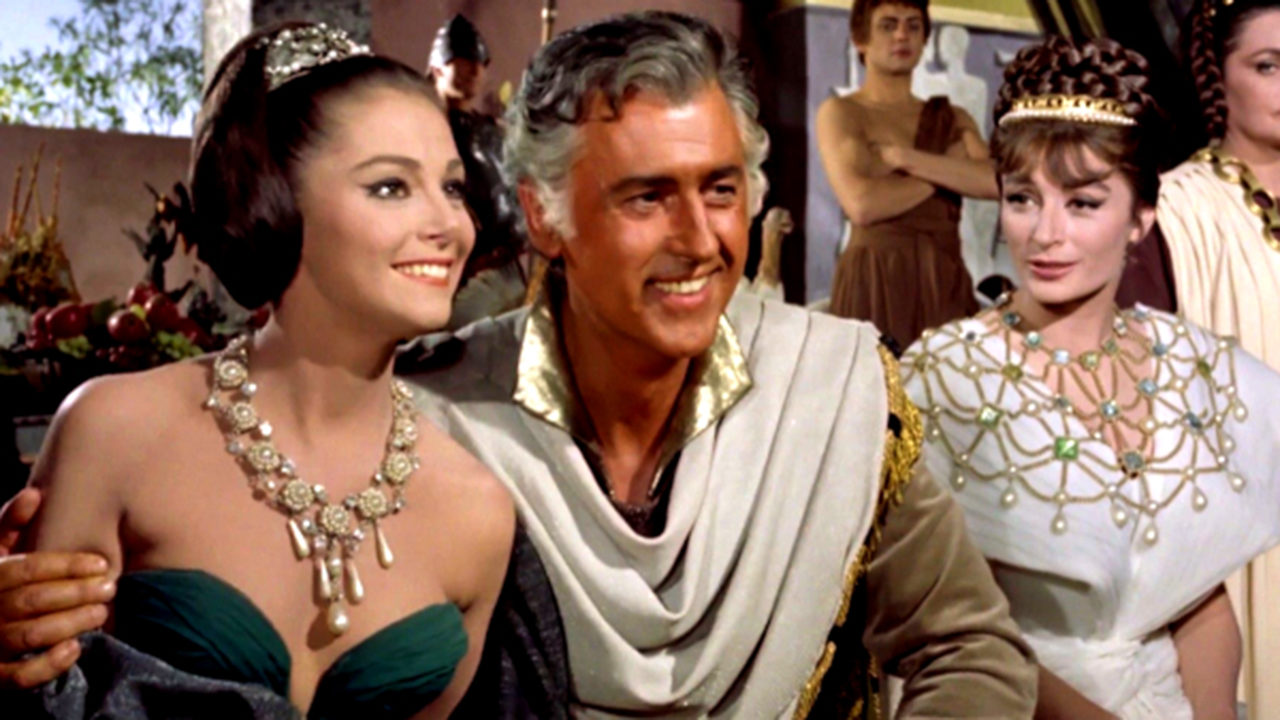
ranchosantafenow.net – Roberto Rossellini’s 1962 epic film, Sodom and Gomorrah, is a visually stunning and morally complex adaptation of the biblical story of the two cities destroyed by God for their wickedness. This Italian-French co-production, filmed on location in Italy, is a grand spectacle filled with opulent sets, lavish costumes, and a cast of international stars.

A World of Sin and Excess

The film depicts the cities of Sodom and Gomorrah as decadent and corrupt societies, where lust, greed, and violence reign supreme. The film’s characters, including King Lot, his wife, and their daughters, are caught up in a whirlwind of sin and temptation. The city is portrayed as a place of excess, where sexual indulgence and debauchery are commonplace.

A Moral Tale

Despite its focus on sin and corruption, Sodom and Gomorrah is ultimately a moral tale. The film warns of the dangers of unchecked desire and the importance of virtue and righteousness. The destruction of the cities serves as a divine judgment on their wickedness.

A Cinematic Spectacle

Rossellini’s film is a visual feast, with stunning cinematography capturing the beauty and grandeur of ancient civilizations. The film’s lavish production design and elaborate costumes create a sense of authenticity and historical accuracy. The epic scale of the film, combined with its dramatic storytelling, makes it a memorable cinematic experience.

A Controversial Legacy

Sodom and Gomorrah was a controversial film upon its release, with some critics praising its historical accuracy and visual splendor, while others criticized its explicit sexual content and its moralizing tone. Despite the controversy, the film remains a fascinating and provocative work that continues to captivate audiences with its epic scope and timeless themes.

The First Wives Club: A Hilarious and Heartfelt Revenge Comedy

ranchosantafenow.net – The First Wives Club (1996) is a hilarious and heartwarming comedy that celebrates female friendship and empowerment. The film follows three divorced women, Brenda (Goldie Hawn), Elise (Bette Midler), and Annie (Diane Keaton), who reunite to seek revenge on their ex-husbands. As they navigate the complexities of divorce, love, and self-discovery, they form a powerful bond of sisterhood.

A Satirical Look at Divorce

The film satirizes the often-cliched tropes of divorce films, such as the scorned woman and the heartless ex-husband. It also tackles serious issues like aging, self-esteem, and the challenges of balancing work and family. Through its witty dialogue and sharp social commentary, The First Wives Club offers a humorous and insightful look at the realities of modern relationships.

A Celebration of Female Friendship

At its core, The First Wives Club is a celebration of female friendship. The three main characters, despite their differences, come together to support and uplift one another. Their bond is a source of strength and resilience, enabling them to overcome their individual challenges.

A Box Office Success

Upon its release, The First Wives Club was a box office success, grossing over $181 million worldwide. The film’s humor, heart, and strong performances resonated with audiences of all ages. It also spawned a successful sequel, The First Wives Club 2 (2010).

A Timeless Classic

The First Wives Club remains a beloved classic, inspiring generations of women to embrace their independence and celebrate their friendships. Its message of female empowerment and self-worth continues to resonate, making it a timeless and unforgettable film.

Conclusion

The First Wives Club is a hilarious and heartwarming comedy that celebrates female friendship and empowerment. Its witty dialogue, sharp social commentary, and strong performances make it a timeless classic. The film’s message of resilience and self-worth continues to inspire audiences, making it a must-watch for anyone seeking a dose of laughter and inspiration.

The Graduate: A Quintessential Coming-of-Age Tale

ranchosantafenow.net – Released in 1967, The Graduate is a groundbreaking film that captured the zeitgeist of a generation. Directed by Mike Nichols, the film stars Dustin Hoffman in a breakout role as Benjamin Braddock, a recent college graduate adrift in a world of uncertainty.

A Tale of Youthful Angst and Moral Turmoil

The film follows Benjamin as he navigates the complexities of adulthood. After a meaningless encounter with an older woman, Mrs. Robinson (Anne Bancroft), he becomes embroiled in a torrid affair. The relationship, however, leads to guilt, confusion, and a sense of disillusionment.

Benjamin’s subsequent romance with Mrs. Robinson’s daughter, Elaine (Katharine Ross), further complicates his life. The film explores themes of youthful rebellion, parental expectations, and the challenges of finding one’s place in the world.

A Cultural Phenomenon

The Graduate was a cultural phenomenon upon its release. Its exploration of sexual awakening, generational conflict, and the anxieties of the post-World War II era resonated with audiences. The film’s iconic imagery, such as Benjamin’s nervous pacing and the haunting theme song “The Sound of Silence,” became instantly recognizable.

A Directorial Masterpiece

Mike Nichols’ direction is masterful. His use of close-ups, long takes, and a minimalist score creates a sense of intimacy and tension. The film’s visual style, combined with its sharp script and memorable performances, has solidified its place in cinematic history.

A Timeless Classic

The Graduate remains a timeless classic that continues to captivate audiences. Its exploration of universal themes of love, loss, and the search for meaning has ensured its enduring legacy. The film’s impact on popular culture is undeniable, and it has inspired countless filmmakers and artists.

Night of Dark Shadows: A Gothic Horror Film

ranchosantafenow.net – Night of Dark Shadows is a 1971 American horror film based on the popular gothic soap opera Dark Shadows. Directed by Dan Curtis, the film expands upon the show’s rich mythology and introduces new characters and storylines.   

A Family Curse Unleashed

The film follows Quentin Collins, a young artist who inherits the mysterious Collinwood estate. As he delves deeper into his family’s history, he becomes entangled in a web of dark secrets and supernatural forces. The specter of Angelique Bouchard, a vengeful witch from the past, haunts Quentin and threatens to consume him.   

A Gothic Atmosphere and Timeless Themes

Night of Dark Shadows captures the gothic atmosphere of the original series, with its atmospheric settings, eerie music, and supernatural elements. The film explores timeless themes of love, loss, and the consequences of obsession. The character of Angelique, played by the iconic Lara Parker, is a particularly compelling figure, embodying both allure and malevolence.

A Cult Classic

Despite mixed reviews upon its initial release, Night of Dark Shadows has since gained a cult following. Its blend of gothic horror, melodrama, and supernatural elements has resonated with fans of the original series and horror enthusiasts alike. The film’s atmospheric setting, memorable characters, and suspenseful plot have contributed to its enduring popularity.   

A Legacy of Dark Shadows

Night of Dark Shadows is a significant part of the Dark Shadows legacy. It expanded the show’s mythology and introduced new characters that would later become fan favorites. The film’s success helped to solidify the Dark Shadows brand and ensured its enduring popularity.   

Conclusion

Night of Dark Shadows is a gothic horror film that offers a thrilling and atmospheric cinematic experience. Its blend of supernatural elements, compelling characters, and suspenseful plot make it a must-watch for fans of the genre. The film’s enduring popularity is a testament to its timeless appeal and its place in the history of horror cinema.

The Shoemaker’s Wife: A Tale of Love, Lust, and Redemption

ranchosantafenow.net – The Shoemaker’s Wife (La mujer del zapatero), a 1965 Argentine drama film directed by Armando Bó, is a controversial classic that continues to provoke and intrigue audiences. This film, starring the iconic Isabel Sarli, delves into the complexities of human desire, exploring themes of love, lust, and redemption.   

A Story of Passion and Betrayal

The film follows the story of Lina, a passionate and independent woman who finds herself in a loveless marriage. Her life takes an unexpected turn when she meets Valentín, a charming and charismatic shoemaker. As their relationship deepens, Lina is torn between her desire for passion and her commitment to her family.   

A Masterful Exploration of Female Desire

The Shoemaker’s Wife is a bold and unflinching exploration of female desire. The film challenges traditional notions of femininity and sexuality, portraying women as complex and multifaceted individuals. Sarli’s performance as Lina is both captivating and disturbing, as she embodies the character’s raw emotions and destructive impulses.

A Controversial Release and Enduring Legacy

Upon its release, The Shoemaker’s Wife caused a sensation and sparked controversy due to its explicit sexual content and its unflinching portrayal of human sexuality. The film’s bold exploration of love, lust, and betrayal was unprecedented in Argentine cinema and pushed the boundaries of censorship.

Despite the controversy, the film was a commercial success and solidified Isabel Sarli’s status as one of the most iconic sex symbols of Latin American cinema. The Shoemaker’s Wife remains a cult classic, celebrated for its powerful storytelling, stunning cinematography, and its enduring relevance to themes of desire, passion, and the human condition.

A Timeless Masterpiece

The Shoemaker’s Wife is more than just a historical curiosity; it is a timeless masterpiece that continues to resonate with audiences today. Its exploration of love, lust, and the complexities of human relationships remains as relevant as ever, making it a must-watch for anyone interested in the history of cinema or simply a fan of great storytelling.

Book Club: The Next Chapter – A Global Adventure

ranchosantafenow.net – Book Club: The Next Chapter, a 2023 American romantic comedy-drama film, is the much-anticipated sequel to the popular 2018 film, Book Club. The film continues to follow the adventures of four lifelong friends, Diane, Vivian, Sharon, and Carol, as they embark on a glamorous Italian adventure.   

A Star-Studded Cast and a Global Setting   

The film once again features an all-star cast, with Diane Keaton, Jane Fonda, Candice Bergen, and Mary Steenburgen reprising their iconic roles. The quartet of actresses, known for their wit and charm, effortlessly carry the film with their impeccable comedic timing and on-screen chemistry.   

The Italian setting provides a stunning backdrop for the film, with picturesque landscapes and vibrant culture. The characters’ journey through Italy adds a sense of excitement and adventure to the story.   

A Focus on Friendship and Self-Discovery

Like its predecessor, Book Club: The Next Chapter explores themes of friendship, love, and self-discovery. As the four friends travel through Italy, they confront personal challenges, rekindle old flames, and discover new passions. The film celebrates the enduring power of female friendship and encourages viewers to embrace life’s adventures.

Jane Fonda’s Enduring Appeal

Jane Fonda, once again, shines as the glamorous and adventurous Vivian. Her character’s infectious energy and zest for life make her a standout in the film. Fonda’s performance highlights her timeless appeal and her ability to connect with audiences of all ages.   

A Fun and Entertaining Sequel

Book Club: The Next Chapter is a fun and entertaining film that is sure to delight fans of the original. The film’s humor, heart, and stunning Italian setting make it a perfect choice for a lighthearted and enjoyable cinematic experience.

Conclusion

Book Club: The Next Chapter is a worthy sequel that continues the tradition of its predecessor. The film’s strong cast, beautiful setting, and heartwarming story make it a delightful watch. Jane Fonda’s performance, as always, is a highlight, adding sparkle and glamour to the film.

Living It Up: A Classic Martin and Lewis Comedy

ranchosantafenow.net – Living It Up (1954) is a classic comedy film starring the iconic duo of Dean Martin and Jerry Lewis. Directed by Norman Taurog, the film is a remake of the 1937 film Nothing Sacred, but with the Martin and Lewis twist that made it a beloved comedy.   

A Fake Illness and a Big City Adventure

The film follows Homer Flagg (Jerry Lewis), a small-town stationmaster who, after a mishap with a radioactive car, is mistakenly diagnosed with a terminal illness. A news reporter, Wally Cook (Janet Leigh), sees an opportunity to boost her career by turning Homer into a national sensation. She convinces her editor, Oliver Stone (Fred Clark), to send Homer on an all-expenses-paid trip to New York City.   

Martin and Lewis’s Comic Genius

The film showcases the duo’s signature comedic style, with Martin playing the straight man to Lewis’s manic and physical humor. Lewis’s slapstick routines, combined with Martin’s deadpan delivery and smooth singing, make for a hilarious and unforgettable viewing experience. The film’s iconic scenes, such as the “radioactive man” gag and the duo’s musical numbers, have become part of cinematic history.

A Nostalgic Look at 1950s Hollywood

Living It Up is a nostalgic look at 1950s Hollywood, capturing the era’s glamour and humor. The film’s lavish production design, vibrant musical numbers, and witty dialogue contribute to its enduring appeal.

A Timeless Comedy Classic

Despite being over 60 years old, Living It Up remains a timeless comedy classic. Its enduring popularity is a testament to the comedic genius of Dean Martin and Jerry Lewis. Whether you’re a fan of classic Hollywood comedies or simply looking for a good laugh, Living It Up is a must-watch.

Dark Holiday: A Harrowing Descent into Chaos

ranchosantafenow.net – Dark Holiday (1989) is a gripping thriller that follows the harrowing ordeal of an American tourist, Gene LePere, played by the late Lee Remick, as she finds herself ensnared in a dangerous situation during a vacation in Turkey.   

A Simple Vacation Takes a Sinister Turn

The film begins innocently enough, with Gene embarking on a much-needed holiday. However, her tranquil vacation is abruptly disrupted when she is coerced into purchasing a seemingly innocuous antique. This seemingly minor act of compliance sets in motion a chain of events that thrusts Gene into a nightmare.   

A Wrongful Accusation

Gene is wrongfully accused of smuggling the antique, a crime that carries a severe penalty. She is subsequently arrested and imprisoned in a harsh Turkish jail, where she must navigate a corrupt and dangerous system.   

A Test of Will and Resilience

Confined to a foreign prison, Gene faces a daunting challenge. She must endure harsh conditions, navigate a complex legal system, and fight to clear her name. The film delves into the psychological toll of imprisonment, as Gene grapples with fear, uncertainty, and the erosion of her sense of self.   

A Tense and Suspenseful Thriller

Dark Holiday is a tense and suspenseful thriller that keeps viewers on the edge of their seats. The film masterfully builds tension, as Gene’s situation becomes increasingly dire. Lee Remick delivers a powerful performance, capturing the character’s fear, determination, and unwavering spirit.

A Timely Exploration of Justice and Injustice

The film also explores broader themes of justice, injustice, and the power of human resilience. Gene’s ordeal serves as a cautionary tale about the dangers of complacency and the importance of standing up for one’s rights, even in the face of adversity.

A Haunting and Memorable Film

Dark Holiday is a haunting and unforgettable film that lingers in the mind long after the credits roll. It is a testament to the power of storytelling and the enduring impact of a well-crafted thriller.

Angie Dickinson in “Shoot-Out at Medicine Bend”

ranchosantafenow.net – In the 1957 Western film Shoot-Out at Medicine Bend, Angie Dickinson delivered a strong performance as Priscilla King, a confident and independent woman who defies the typical stereotypes of female characters in Westerns.

A Woman of Substance

Dickinson’s portrayal of Priscilla is a refreshing departure from the demure and often helpless women often seen in Westerns. Priscilla is a capable businesswoman who runs a successful store in the titular town. She’s not afraid to stand up for herself or her father, Harry King (Harry Harvey), and she’s quick-witted and resourceful.

A Complex Dynamic with the Protagonist

The film’s plot revolves around a group of former Civil War soldiers who pose as Quakers to infiltrate a corrupt town. Randolph Scott plays the enigmatic Devlin, who forms a complex relationship with Priscilla. While there’s a clear romantic tension between the two, their interactions are marked by mutual respect and a sense of partnership.

A Memorable Performance

Dickinson’s performance in Shoot-Out at Medicine Bend is a standout. Her portrayal of Priscilla is both strong and vulnerable, making her a compelling and memorable character. She brings a sense of authenticity to the role, making Priscilla a believable and relatable figure.

A Timeless Classic

Shoot-Out at Medicine Bend is a classic Western that continues to entertain audiences today. Angie Dickinson’s performance as Priscilla King is a significant part of the film’s enduring appeal. Her character is a testament to the evolving role of women in Westerns, and her performance is a reminder of Dickinson’s talent and versatility.

Fangs of the Living Dead: A Gothic Horror Gem

ranchosantafenow.net – Fangs of the Living Dead (1969), originally titled Malenka, the Vampire’s Niece, is a Spanish horror film directed by Amando de Ossorio. This gothic horror film, starring the iconic Anita Ekberg, is a cult classic that blends elements of vampire lore, psychological horror, and gothic romance. 

A Dark Inheritance

The film follows Sylvia, a young woman who inherits a mysterious castle in Spain. As she delves deeper into the castle’s dark secrets, she discovers a sinister family history involving vampirism. Her uncle, Count Walbrooke, a charismatic and manipulative figure, reveals a shocking truth: Sylvia is the last descendant of a long line of vampires.   

A Descent into Darkness

As Sylvia is drawn into the world of darkness, she begins to experience strange and terrifying visions. She becomes increasingly isolated and obsessed with her newfound powers, leading to a series of bizarre and violent events. The film explores themes of identity, obsession, and the blurred lines between sanity and madness.

A Gothic Masterpiece

Fangs of the Living Dead is a visually stunning film, with its atmospheric cinematography, gothic architecture, and striking set design. The film’s eerie atmosphere is further enhanced by a haunting score and a sense of impending doom.

Anita Ekberg delivers a captivating performance as Sylvia, bringing both vulnerability and menace to the role. Her portrayal of a woman torn between her humanity and her vampiric nature is both compelling and disturbing.

A Cult Classic

Despite its initial release, Fangs of the Living Dead gained cult status over the years, appreciated for its unique blend of gothic horror and psychological thriller. Its influence can be seen in subsequent vampire films, particularly those that explore the psychological and emotional impact of vampirism.

Fangs of the Living Dead remains a fascinating and disturbing film that continues to captivate audiences. Its blend of gothic horror, psychological thriller, and supernatural elements make it a must-see for fans of the genre.

Fatty Girl Goes to New York: A Quirky Italian Comedy

ranchosantafenow.net – Fatty Girl Goes to New York (original title: Cicciabomba) is a 1982 Italian comedy film directed by Umberto Lenzi. It’s a quirky and somewhat surreal tale of transformation, revenge, and the power of self-confidence.   

A Bullied Girl’s Transformation

The film centers around Miris, a chubby Italian girl who is relentlessly bullied for her weight. She wins a trip to New York City, where she undergoes a dramatic transformation, shedding pounds and emerging as a stunning beauty.   

A New York Adventure

In New York, Miris encounters a glamorous baroness who helps her embrace her newfound confidence. The baroness guides Miris through the world of fashion and high society, transforming her into a sophisticated and stylish woman.   

Revenge is Sweet

After her makeover, Miris returns to her hometown, determined to seek revenge on those who bullied her. She uses her newfound beauty and confidence to humiliate her former tormentors and reclaim her rightful place in society.   

A Unique Blend of Comedy and Satire

Fatty Girl Goes to New York is a unique blend of comedy and satire. The film pokes fun at the superficiality of beauty standards and the power of transformation. It also offers a critique of the harsh realities of bullying and the importance of self-acceptance.

A Cult Classic

While the film may not be a critical darling, it has developed a cult following over the years. Its campy humor, over-the-top performances, and bizarre plot twists have made it a beloved cult classic.

The Wicked Dreams of Paula Schultz (1968)

ranchosantafenow.net – “The Wicked Dreams of Paula Schultz,” released in 1968, is a comedic film directed by George Marshall. Starring Elke Sommer, Bob Crane, and Werner Klemperer, the movie blends humor with the political tensions of the Cold War era. Set against the backdrop of divided Germany, this film offers a whimsical take on a serious period in history. This article explores the film’s plot, characters, and its unique place in the comedy genre.

Plot Overview

The film centers around Paula Schultz, played by Elke Sommer, an East German Olympic athlete who decides to defect to the West. Her daring escape involves hurdling over the Berlin Wall, a move that sets off a series of comedic events. Paula finds herself entangled with a group of American expatriates, including Bill Mason, played by Bob Crane. As the East German authorities, led by Werner Klemperer’s character Klaus, pursue Paula, she navigates a world of espionage, romance, and slapstick humor.

Characters and Performances

Elke Sommer shines as Paula Schultz, bringing a blend of charm, athleticism, and comedic timing to the role. Her portrayal of an athlete caught between two worlds is both endearing and humorous. Bob Crane complements Sommer with his performance as Bill Mason, providing a balance of wit and charisma. Werner Klemperer, known for his role in “Hogan’s Heroes,” adds to the comedic tension as the persistent and bumbling antagonist.

Cinematic Elements

Directed by George Marshall, “The Wicked Dreams of Paula Schultz” employs classic comedic elements, including slapstick, mistaken identities, and witty dialogue. The film’s vibrant cinematography captures the contrast between East and West Germany, enhancing the comedic absurdity of the situation. The score, composed by Charles Albertine, adds a playful tone, accentuating the film’s lighthearted approach to the Cold War setting.

Impact and Legacy

While not as widely known as other films of its time, “The Wicked Dreams of Paula Schultz” remains a unique entry in the comedy genre, particularly for its humorous take on Cold War themes. The film reflects the era’s cultural tensions while providing a comedic escape, showcasing the versatility of comedy in addressing serious topics. Its quirky narrative and engaging performances continue to attract viewers interested in classic comedies.

Conclusion

In conclusion, “The Wicked Dreams of Paula Schultz” offers a humorous and entertaining exploration of Cold War dynamics through the lens of comedy. With its engaging plot, memorable characters, and clever direction, the film stands as a testament to the power of humor in storytelling. Whether you’re a fan of classic cinema or interested in historical comedies, “The Wicked Dreams of Paula Schultz” provides a delightful and amusing cinematic experience.

The Complexities of Friendship in “Rich and Famous” (1981)

ranchosantafenow.net – Released in 1981, “Rich and Famous” is a poignant drama that delves into the intricacies of a lifelong friendship between two women. Directed by George Cukor, in what would be his final film, the movie explores themes of ambition, rivalry, love, and loyalty, set against the backdrop of the literary world.

A Tale of Two Friends

“Rich and Famous” centers on the enduring yet tumultuous friendship between two women, Liz Hamilton (played by Jacqueline Bisset) and Merry Noel Blake (played by Candice Bergen). The story begins during their college years and follows their lives over several decades, highlighting the contrasting paths they take.

Liz, a serious and dedicated writer, struggles to find recognition and success in her career. In contrast, Merry, who initially seems less serious about writing, achieves significant commercial success with a series of popular novels. This divergence in their careers creates tension between the two, testing the strength of their friendship as they navigate personal and professional challenges.

Compelling Performances and Direction

Jacqueline Bisset and Candice Bergen deliver compelling performances, capturing the complex emotions and dynamics of their characters’ relationship. Bisset portrays Liz with depth and sensitivity, conveying her character’s internal struggles and resilience. Bergen shines as Merry, bringing a charismatic and nuanced portrayal that balances ambition with vulnerability.

Director George Cukor, known for his ability to create rich character-driven stories, brings his expertise to “Rich and Famous,” crafting a film that is both intimate and expansive. His direction allows the characters’ personalities and conflicts to unfold naturally, providing a nuanced exploration of friendship and personal growth.

Themes of Rivalry and Reconciliation

At its core, “Rich and Famous” examines the themes of rivalry and reconciliation within the context of a deep friendship. As Liz and Merry’s lives intertwine and diverge, the film explores how jealousy, competition, and misunderstandings can strain even the closest of bonds. However, it also highlights the enduring power of friendship, showing how mutual respect and understanding can ultimately lead to reconciliation and renewal.

Legacy and Impact

While “Rich and Famous” may not have achieved the same level of recognition as some of Cukor’s earlier works, it remains a thoughtful exploration of female friendship and personal ambition. The film’s honest portrayal of complex relationships and its focus on strong, multidimensional female characters resonate with audiences, making it a memorable entry in the drama genre.

In conclusion, “Rich and Famous” offers a compelling look at the highs and lows of a lifelong friendship, brought to life by standout performances and expert direction. It serves as a reminder of the intricate nature of human relationships and the enduring bonds that can withstand the test of time. For those who appreciate character-driven dramas, “Rich and Famous” provides a rich tapestry of emotion and storytelling.

The Immortal Bachelor (1975): A Cinematic Exploration

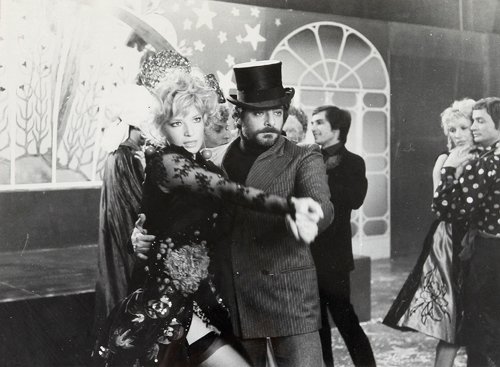
ranchosantafenow.net – “The Immortal Bachelor” (Italian: “A mezzanotte va la ronda del piacere”), also known as “Midnight Pleasures” or “Midnight Lovers,” is a 1975 Italian film directed by Marcello Fondato. Featuring a star-studded cast including Claudia Cardinale, Vittorio Gassman, and Monica Vitti, the film blends elements of drama and comedy to explore themes of love, fidelity, and societal expectations.

Plot Overview

The film revolves around Gabriella, portrayed by Claudia Cardinale, a woman summoned as a juror in the trial of Tina (played by Monica Vitti), a cleaning woman accused of murdering her husband, Gino. Throughout the trial, the film delves into the complexities of Tina’s relationship with Gino, highlighting issues of domestic violence and infidelity. As the trial unfolds, Gabriella’s own life and marriage are subtly mirrored in Tina’s story, prompting her to reflect on her personal circumstances.

Characters and Performances

Claudia Cardinale delivers a nuanced performance as Gabriella, capturing the character’s internal struggle and empathy for Tina. Monica Vitti, known for her comedic prowess, brings depth and emotion to the role of Tina, effectively portraying a woman caught in a difficult and oppressive relationship. Vittorio Gassman adds to the film’s dynamic with his portrayal of Andrea, Gabriella’s husband, providing a counterpoint to the unfolding drama.

Direction and Cinematic Style

Marcello Fondato’s direction is characterized by a seamless blend of comedic and dramatic elements. The film’s narrative structure, interweaving Gabriella’s perspective with the courtroom drama, allows for a rich exploration of its themes. The cinematography captures the nuances of the characters’ lives, using both intimate and expansive shots to convey their emotional landscapes.

Themes and Social Commentary

“The Immortal Bachelor” addresses themes of love, fidelity, and the roles assigned to women in society. Through Tina’s trial, the film critiques societal norms that often trap women in unhappy or abusive relationships. Additionally, it reflects on the idea of judgment, both in the legal sense and in personal relationships, urging viewers to consider the complexities beneath surface-level appearances.

Critical Reception and Legacy

Upon its release, “The Immortal Bachelor” was noted for its strong performances and engaging narrative. The film’s unique blend of comedy and drama, alongside its incisive social commentary, has contributed to its enduring appeal. While not as widely known internationally, it remains a significant work within Italian cinema, appreciated for its thoughtful exploration of personal and societal issues.

Conclusion

“The Immortal Bachelor” is a compelling film that combines humor and drama to explore deep themes of love, fidelity, and societal expectations. With its talented cast and insightful direction, the film offers a poignant reflection on the complexities of human relationships, making it a valuable piece of cinematic art.

The Pink Panther (1963): A Comedic Gem & Iconic Franchise Opener

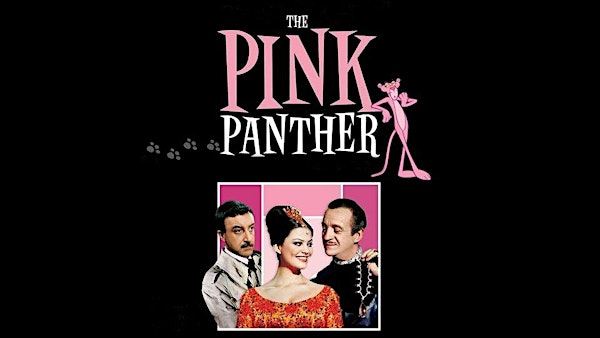
ranchosantafenow.net – “The Pink Panther,” released in 1963, is a classic comedy film directed by Blake Edwards. Renowned for its sophisticated humor and memorable performances, the film introduced audiences to the bumbling yet endearing character of Inspector Jacques Clouseau, played by Peter Sellers. With its blend of comedy, crime caper, and glamorous settings, “The Pink Panther” laid the foundation for a beloved film franchise and became a significant piece of cinematic history.

Plot Overview

The film’s plot revolves around a daring heist involving the priceless “Pink Panther” diamond, which features a unique flaw resembling a leaping panther. The diamond is owned by Princess Dala of Lugash, played by Claudia Cardinale. As the story unfolds, the cunning jewel thief Sir Charles Lytton, portrayed by David Niven, sets his sights on stealing the gem during a glamorous ski resort getaway in Cortina d’Ampezzo.

Inspector Jacques Clouseau is assigned to the case, determined to apprehend the notorious thief, known as “The Phantom.” However, Clouseau’s investigative efforts are hilariously inept, leading to a series of comedic misadventures and misunderstandings. As the plot thickens, Clouseau’s wife Simone, played by Capucine, becomes entangled in the heist, adding further complication and humor to the story.

Character Dynamics and Performances

Peter Sellers’ portrayal of Inspector Clouseau became iconic, with his impeccable comedic timing and ability to turn Clouseau’s clumsiness into a source of charm and laughter. David Niven’s suave and sophisticated Sir Charles Lytton provides a perfect foil to Clouseau’s antics, adding a layer of elegance to the film. The interactions between the characters create a delightful mix of comedy and intrigue.

Cinematic Style and Music

Blake Edwards’ direction combines slapstick humor with witty dialogue, creating a film that is both visually and verbally engaging. The film’s glamorous settings, from luxurious ski resorts to opulent parties, provide a backdrop for the unfolding comedic caper.

One of the film’s most enduring legacies is Henry Mancini’s unforgettable score, particularly the “Pink Panther Theme.” The jazzy, playful tune became synonymous with the franchise and remains one of the most recognizable pieces of film music.

Impact and Legacy

“The Pink Panther” was a critical and commercial success, leading to a series of sequels and spin-offs that further explored Inspector Clouseau’s comedic escapades. The film’s success cemented Peter Sellers’ status as a comedic legend and introduced audiences to a franchise that continues to entertain new generations.

The animated Pink Panther character, featured in the film’s opening credits, also became an iconic figure in popular culture, leading to a successful series of animated shorts.

Conclusion

“The Pink Panther” (1963) is a timeless comedy that combines humor, style, and charm. Its introduction of the lovable Inspector Clouseau and the unforgettable theme music has left an indelible mark on film history. As both a standalone classic and the beginning of a beloved series, “The Pink Panther” continues to be celebrated for its wit, elegance, and comedic brilliance.

Platoon (1986): A Cinematic Journey into the Vietnam War

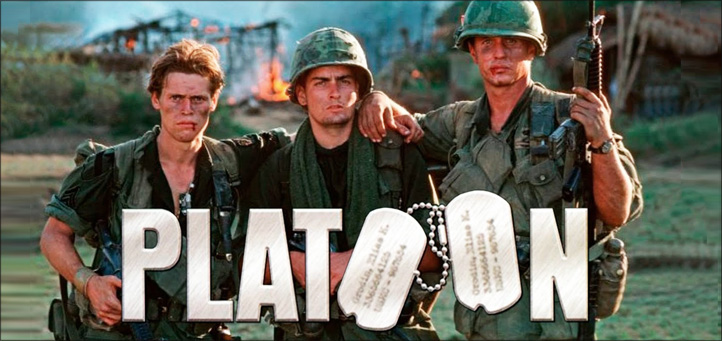
ranchosantafenow.net – Released in 1986, Platoon is a war drama film directed by Oliver Stone that provides a raw and authentic portrayal of the Vietnam War. The film is notable for its intense depiction of the physical and psychological challenges faced by soldiers during one of the most controversial conflicts in American history. Platoon was a critical and commercial success, winning four Academy Awards, including Best Picture.

Plot Overview

Platoon follows Chris Taylor, a young and idealistic college dropout who volunteers for combat duty in Vietnam. Played by Charlie Sheen, Taylor is quickly thrust into the brutal realities of warfare. The film captures his journey as he navigates the chaos of battle and the moral ambiguities of war. The platoon is divided by internal conflicts, mainly between two sergeants: the compassionate and morally driven Sergeant Elias (Willem Dafoe) and the ruthless and hardened Sergeant Barnes (Tom Berenger).

Themes and Motifs

At its core, Platoon explores the duality of man and the moral complexities inherent in warfare. The characters of Elias and Barnes symbolize the opposing forces of good and evil within the human spirit. The film delves into the psychological impact of war on soldiers and the loss of innocence experienced by the young men sent to fight in Vietnam.

Authenticity and Impact

Oliver Stone, a Vietnam veteran himself, infused Platoon with a sense of authenticity that resonated with audiences and critics alike. The film’s unflinching depiction of the Vietnam War challenged previous portrayals and provided a more personal and realistic perspective. It opened discussions about the ethical dimensions of war and the experiences of the soldiers who fought in Vietnam.

Critical Reception and Legacy

Upon its release, Platoon was hailed for its powerful storytelling and realistic portrayal of combat. It received numerous accolades, including four Academy Awards: Best Picture, Best Director for Oliver Stone, Best Sound, and Best Film Editing. The film’s success paved the way for a wave of Vietnam War movies in the late 1980s and early 1990s.

Platoon remains a significant work in the war film genre, praised for its honest and gripping portrayal of the Vietnam War. It continues to be studied and discussed for its artistic achievements and its impact on the perception of the Vietnam conflict.

Introduction to “Chocolate” (2008) – Plot Overview

ranchosantafenow.net – “Chocolate” is a 2008 Thai martial arts film directed by Prachya Pinkaew, known for his work on the critically acclaimed “Ong-Bak” series. This film is notable for its high-octane action sequences and the remarkable debut performance of its lead actress, JeeJa Yanin. The film combines martial arts with a heartfelt storyline, creating a unique cinematic experience that has captivated audiences worldwide.

Plot Overview

The story revolves around Zen, a young autistic girl with extraordinary martial arts abilities. Zen is raised next to a Muay Thai boxing studio, and she absorbs the skills she observes. Her mother, Zin, is a former lover of a Thai mob boss, whose criminal activities become a central conflict in the narrative. When Zin becomes seriously ill, Zen embarks on a journey to collect debts from ruthless gang members to pay for her mother’s medical treatment. This quest leads to numerous intense confrontations, showcasing Zen’s martial arts prowess.

Characters and Performances

JeeJa Yanin portrays Zen with a compelling mix of vulnerability and strength. Her performance is a standout, especially considering this was her first major film role. The film also features Hiroshi Abe and Pongpat Wachirabunjong, who deliver strong supporting performances. The characters are well-developed, and their interactions add depth to the storyline.

Martial Arts and Action Sequences

“Chocolate” is celebrated for its choreographed fight scenes, which are both innovative and exhilarating. The film employs a realistic style of combat, avoiding wirework and CGI, which adds authenticity to the action. JeeJa Yanin’s physicality and skill are central to these sequences, demonstrating her dedication and talent in martial arts.

Themes and Reception

The film explores themes of family, loyalty, and the struggle against adversity. It highlights the challenges faced by those living on the fringes of society, depicted through Zen’s journey and her relationship with her mother. “Chocolate” was well-received by audiences and critics alike, praised for its action, storytelling, and JeeJa Yanin’s breakthrough performance. It has since become a cult favorite among martial arts film enthusiasts.

Conclusion

“Chocolate” (2008) is a remarkable film that blends action and emotion, delivering a powerful story through dynamic martial arts sequences. Its unique protagonist and heartfelt narrative make it a standout entry in the genre, solidifying Prachya Pinkaew’s reputation as a master of action cinema. The film remains a must-watch for fans of martial arts and those interested in seeing a different take on the action film genre.

“The Raid 2” (2014): A Cinematic Masterpiece from Indonesia

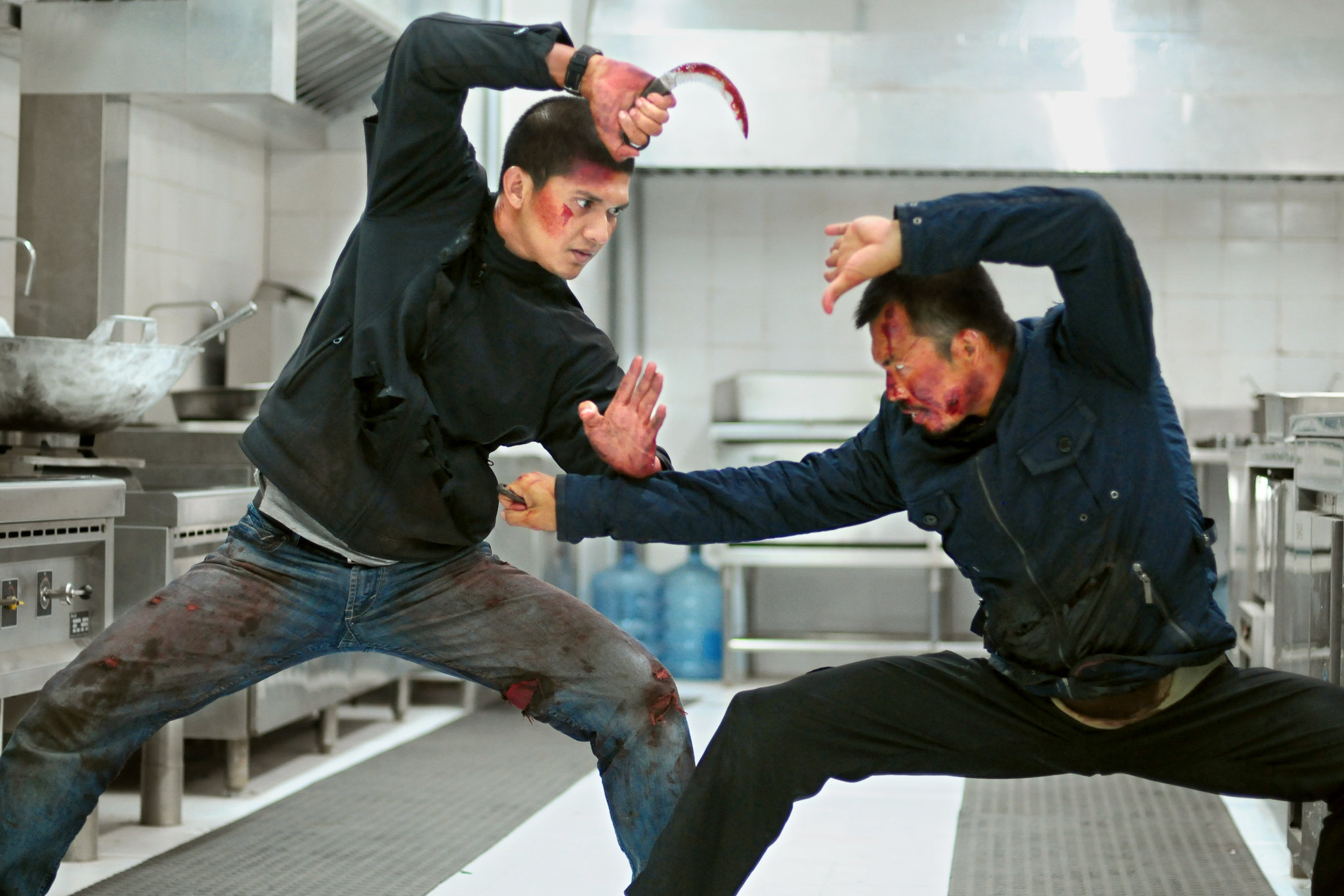
ranchosantafenow.net – “The Raid 2,” a 2014 Indonesian action thriller film directed by Gareth Evans, is the sequel to the critically acclaimed “The Raid: Redemption” (2011). Known for its intense action sequences and intricate storytelling, “The Raid 2” elevates the genre with its rich narrative and stunning choreography. This article explores the film’s plot, production, and impact on the global stage.

Plot Overview

The film picks up shortly after the events of its predecessor, following Rama, a rookie cop who survived the brutal apartment raid. Rama is coerced into going undercover to infiltrate a powerful crime syndicate and uncover corruption within the police force. The story delves deeper into the criminal underworld, exploring themes of loyalty, betrayal, and revenge. “The Raid 2” expands the universe with new characters and a more complex plot, offering a thrilling journey through Jakarta’s criminal landscape.

Cinematic Excellence

Choreography and Action Sequences

One of the standout features of “The Raid 2” is its meticulously crafted action sequences. The film showcases Pencak Silat, a traditional Indonesian martial art, through breathtaking fight scenes that are both brutal and visually captivating. The choreography, led by Iko Uwais and Yayan Ruhian, is a testament to the film’s dedication to authenticity and intensity.

Direction and Cinematography

Gareth Evans’ direction is a crucial element that elevates the film. His ability to blend high-octane action with a compelling narrative ensures that viewers remain engaged throughout the movie. The cinematography by Matt Flannery and Dimas Imam Subhono captures the gritty atmosphere of Jakarta while highlighting the raw energy of the action scenes.

Production and Challenges

Filming “The Raid 2” was a massive undertaking, with a significantly larger budget and scope compared to its predecessor. The production involved complex set pieces, including a memorable prison riot scene and a thrilling car chase. The film’s ambitious nature presented logistical challenges, but the dedication of the cast and crew resulted in a polished and impactful final product.

Reception and Legacy

Critical Acclaim

“The Raid 2” received widespread acclaim from critics and audiences alike. It was praised for its innovative action sequences, character development, and storytelling. Many consider it one of the best action films of the 21st century, highlighting its influence on the genre.

Influence on Global Cinema

The film’s success cemented Gareth Evans’ reputation as a visionary director and brought international attention to Indonesian cinema. It inspired filmmakers worldwide to explore new directions in action filmmaking, emphasizing practical effects and choreography over CGI.

Conclusion

“The Raid 2” is more than just a sequel; it’s a cinematic triumph that showcases the potential of Indonesian cinema on the global stage. With its gripping narrative, exceptional choreography, and groundbreaking direction, the film has left an indelible mark on the action genre. Whether you’re a fan of martial arts or a lover of compelling stories, “The Raid 2” is a must-watch film that continues to resonate with audiences around the world.

The Missing Picture: A Journey Through Cambodia’s Dark Past

ranchosantafenow.net – “The Missing Picture” is a powerful documentary by Cambodian filmmaker Rithy Panh, which poignantly explores the atrocities committed during the Khmer Rouge regime in Cambodia. This film stands out not only for its content but also for its unique storytelling approach, blending archival footage with clay figurines to depict the harrowing experiences of those years.

Background

Directed and co-written by Rithy Panh, “The Missing Picture” delves deep into the filmmaker’s personal experiences during the Khmer Rouge’s rule from 1975 to 1979. Panh, who lived through the genocide that claimed the lives of nearly a quarter of Cambodia’s population, uses this film as a means to fill the gaps in historical records with his own memories and interpretations6.

Unique Storytelling

The film’s most striking feature is its use of clay dioramas. These clay figures are employed to recreate scenes of daily life under the Khmer Rouge, offering a stark contrast to the archival footage of propaganda films from the regime. This artistic choice not only compensates for the lack of available footage but also provides a deeply personal and evocative representation of the past9.

Critical Acclaim

“The Missing Picture” received significant acclaim worldwide, securing the Un Certain Regard prize at the Cannes Film Festival. It also became the first Cambodian film to be nominated for an Academy Award, highlighting its international impact and the universal resonance of its themes3.

Themes and Impact

At its core, “The Missing Picture” is a meditation on memory, loss, and the power of storytelling. It challenges viewers to reflect on the nature of historical truth and the role of art in preserving and interpreting the past. By sharing his personal narrative, Panh not only memorializes those lost but also educates new generations about the dangers of totalitarian regimes6.

Conclusion

“The Missing Picture” is more than a documentary; it is a testament to the resilience of the human spirit in the face of profound suffering. Through its innovative use of art and personal narrative, the film offers an essential perspective on Cambodia’s history, ensuring that the stories of those who suffered are not forgotten.

The Road Home (1999): A Timeless Tale of Love & Tradition

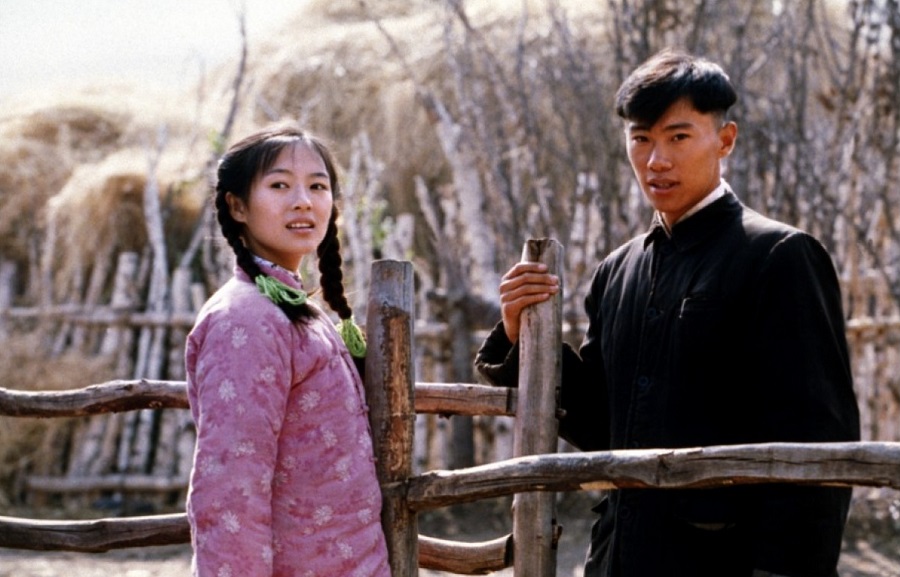
ranchosantafenow.net – “The Road Home” (1999) is a poignant romantic drama directed by acclaimed Chinese filmmaker Zhang Yimou. With its heartfelt narrative and captivating visuals, the film has left a lasting impression on audiences worldwide. Set in rural China, it beautifully explores themes of love, memory, and the enduring connection to one’s roots.

Synopsis

The film begins with the return of a city businessman, Luo Yusheng, to his native village upon learning of his father’s passing. His father, the village’s beloved teacher, requested a traditional funeral, prompting Yusheng to reflect on the deep love story between his parents. As the narrative unfolds, the story shifts between past and present, visually distinguishing the memories of a vibrant past in color and the somber present in black and white.

Characters and Performances

Zhang Ziyi delivers a standout performance as the young Zhao Di, a spirited village girl who falls in love with the new schoolteacher. Her portrayal of innocence and unwavering devotion brings a profound emotional depth to the film. Zheng Hao, who plays the young teacher, captures the quiet strength and integrity of a man deeply committed to his students and community.

Visuals and Cinematography

Zhang Yimou is renowned for his ability to create visually stunning films, and “The Road Home” is no exception. The film’s cinematography, handled by Hou Yong, captures the breathtaking landscapes of rural China, enhancing the narrative with vibrant colors and sweeping vistas. The visual storytelling complements the film’s emotional core, drawing viewers into the world of the characters.

Themes and Symbolism

At its heart, “The Road Home” is a love story that transcends time. It explores the themes of tradition, familial bonds, and the passage of time. The road itself symbolizes both a physical journey and an emotional one, representing the path that leads us back to our origins and reminds us of what truly matters in life.

Conclusion

“The Road Home” is a masterful blend of storytelling and visual artistry, showcasing Zhang Yimou’s exceptional talent as a filmmaker. Its timeless tale of love, memory, and tradition continues to resonate with audiences, making it a cherished classic in world cinema. Whether you’re a fan of romantic dramas or a lover of beautifully crafted films, “The Road Home” offers an unforgettable cinematic experience.

The Terminator: A Timeless Sci-Fi Masterpiece

ranchosantafenow.net – “The Terminator,” directed by James Cameron and released in 1984, is a landmark film in the science fiction genre. Combining elements of action, thriller, and dystopian future, it introduced audiences to an unforgettable narrative and iconic characters. The film’s impact on popular culture and its lasting influence on the sci-fi genre make it a timeless masterpiece.

Plot Overview

Set in a bleak future where machines have taken over the world, “The Terminator” tells the story of a cyborg assassin, portrayed by Arnold Schwarzenegger, sent back in time from 2029 to 1984. His mission is to kill Sarah Connor, played by Linda Hamilton, the mother of the future leader of the human resistance. To protect her, Kyle Reese, a soldier from the future, is also sent back in time. The ensuing battle between human and machine unfolds in a gripping narrative that explores themes of fate, survival, and technology’s potential dangers.

Character Development

Arnold Schwarzenegger’s portrayal of the relentless and emotionless Terminator became one of his most iconic roles. His performance, characterized by minimal dialogue and an imposing physical presence, brought a chilling realism to the character. Meanwhile, Linda Hamilton’s transformation from a vulnerable waitress into a determined survivor set a new standard for female protagonists in action films. Michael Biehn’s portrayal of Kyle Reese added depth to the story, highlighting the human element in the struggle against the machines.

Themes and Influence

“The Terminator” delves into themes of technological advancement and its potential consequences. The film raises questions about artificial intelligence, the ethics of technological progress, and the concept of destiny versus free will. Its exploration of these themes has resonated with audiences and inspired countless films, books, and discussions about the future of technology.

Cultural Impact

Since its release, “The Terminator” has become a cultural phenomenon. It spawned a successful franchise, including sequels, television series, and comic books. Phrases like “I’ll be back” have entered the lexicon, and the film’s innovative special effects and storytelling techniques have influenced filmmakers for decades.

Conclusion

“The Terminator” remains a seminal work in science fiction cinema. Its compelling story, memorable characters, and thought-provoking themes have ensured its place in film history. As technology continues to evolve, the film’s cautionary tale about the power and potential peril of machines remains relevant, captivating new generations of viewers.

Lagaan: Once Upon a Time in India – A Cinematic Masterpiece

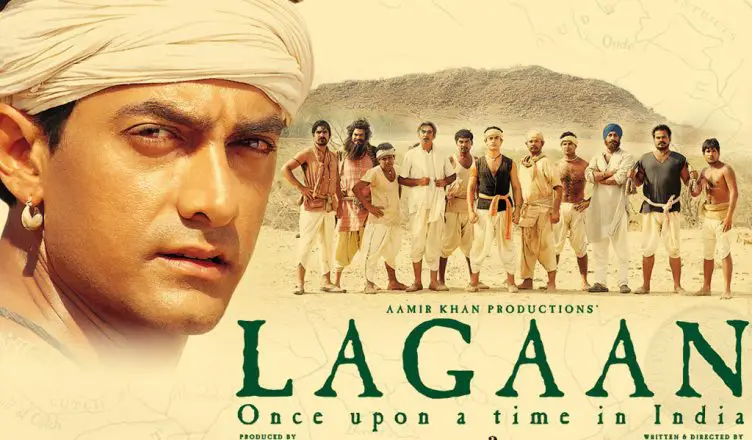
ranchosantafenow.net – “Lagaan: Once Upon a Time in India” is a landmark film in the history of Indian cinema. Directed by Ashutosh Gowariker and released in 2001, this epic sports drama combines elements of history, culture, and the universal appeal of sports to deliver a compelling narrative. The film is set in the late 19th century during the British Raj and tells the story of a small Indian village’s struggle against oppressive colonial rule, using cricket as their unlikely weapon.

Plot Overview

The film is set in the fictional village of Champaner in central India. The villagers are burdened by high taxes, known as “lagaan,” imposed by their British rulers. When Captain Andrew Russell, the arrogant British officer, challenges the villagers to a cricket match, he offers a deal: if the villagers win, they will be exempt from taxes for three years; if they lose, they must pay triple the tax. The story follows Bhuvan, played by Aamir Khan, as he rallies his fellow villagers to take on the seemingly impossible task of learning and winning the game of cricket.

Themes and Symbolism

“Lagaan” explores several themes, including resilience, unity, and the fight against injustice. It portrays the cultural clash between the Indian villagers and British colonizers, using cricket as a metaphor for resistance and empowerment. The film also highlights the importance of teamwork and perseverance in the face of adversity.

Cinematic Excellence

The film is renowned for its meticulous attention to detail, from the authentic depiction of rural Indian life to the thrilling cricket sequences. The cinematography by Anil Mehta captures the vibrant landscape and emotions of the era beautifully. The music, composed by A.R. Rahman, complements the narrative perfectly, blending traditional Indian sounds with cinematic grandeur.

Critical Acclaim and Impact

“Lagaan” received widespread critical acclaim and was a commercial success. It was nominated for the Academy Award for Best Foreign Language Film, bringing international recognition to Indian cinema. The film’s universal themes and engaging storytelling have made it a favorite among audiences worldwide.

Conclusion

“Lagaan: Once Upon a Time in India” is more than just a sports drama; it is a powerful tale of courage, hope, and the human spirit. Its enduring legacy continues to inspire filmmakers and audiences alike, making it a true cinematic masterpiece.