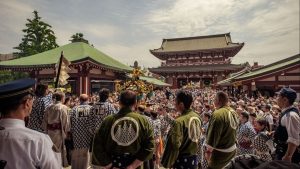
Menelusuri Sejarah Samurainya: Jepang dari Masa ke Masa

Sejarah samurai memegang tempat istimewa dalam narasi budaya Jepang, mencerminkan warisan yang kaya akan keberanian, kehormatan, dan keterampilan. Dari kemunculannya hingga perannya dalam transformasi Jepang modern, samurai telah meninggalkan jejak yang mendalam dalam sejarah bangsa ini.

Samurai pertama kali muncul pada abad ke-8 sebagai prajurit yang melayani bangsawan dan kaisar Jepang. Mereka dikenal karena keterampilan bertarung yang luar biasa dan kode etik yang dikenal sebagai “bushido,” yang menekankan nilai-nilai seperti kesetiaan, keberanian, dan kehormatan. Kode ini tidak hanya membentuk perilaku individu samurai tetapi juga menjadi landasan moral bagi masyarakat Jepang.

Selama periode Kamakura (1185-1333) dan Muromachi (1336-1573), samurai memainkan peran kunci dalam konflik militer dan politik. Mereka sering terlibat dalam perang saudara dan pertempuran antar klan, yang memperkuat posisi mereka sebagai kekuatan utama di Jepang feodal. Pada masa ini, banyak samurai mulai menguasai seni dan kebudayaan, meningkatkan status mereka dari sekadar prajurit menjadi pelindung seni dan kebudayaan.

Era Edo (1603-1868) menyaksikan stabilitas politik di bawah pemerintahan Tokugawa, yang mengurangi konflik militer dan mengubah peran samurai. Mereka beralih dari prajurit menjadi birokrat dan pelayan pemerintahan. Meskipun demikian, nilai-nilai bushido tetap bertahan, dan samurai terus dihormati sebagai simbol kehormatan dan ketertiban.

Namun, Restorasi Meiji pada akhir abad ke-19 membawa perubahan besar. Modernisasi dan penghapusan sistem medusa88  feodal mengakhiri status samurai sebagai kelas sosial. Banyak mantan samurai beradaptasi dengan menjadi pengusaha, pejabat pemerintah, atau instruktur militer dalam masyarakat yang lebih modern.

Hari ini, warisan samurai masih hidup dalam budaya Jepang melalui seni bela diri, film, dan literatur. Mereka menjadi simbol ketahanan dan nilai-nilai tradisional yang terus menginspirasi generasi baru, menegaskan peran abadi mereka dalam membentuk identitas Jepang dari masa ke masa.

Hong Village: A Timeless Gem in China’s Countryside

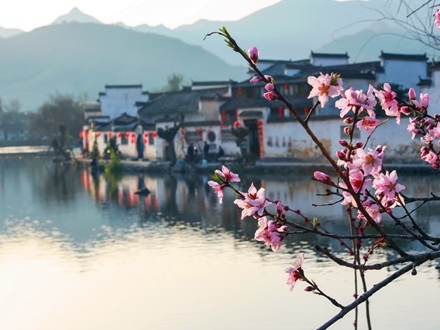
ranchosantafenow.net – Nestled in the picturesque landscapes of southern Anhui Province, Hong Village (Hongcun) is a quintessential example of a traditional Chinese village that has retained its historical charm and cultural significance. Renowned for its stunning architecture and serene environment, Hong Village offers a unique glimpse into China’s rich heritage and rural life.

Historical Background

Hong Village dates back to the Song Dynasty (960–1279 AD) and has been remarkably preserved over the centuries. Originally established by the Wang clan, the village’s layout was meticulously designed to resemble the shape of an ox, with the Leigang Hill as its head and two trees standing as its horns. A network of canals flowing through the village represents the ox’s intestines, symbolizing prosperity and wealth.

Architectural Marvels

The architecture of Hong Village is a testament to the ingenuity and craftsmanship of ancient Chinese builders. The village is home to over 140 well-preserved houses from the Ming and Qing Dynasties, showcasing traditional Hui-style architecture. Characterized by whitewashed walls, grey-tiled roofs, and intricate wood carvings, these structures exude elegance and sophistication.

One of the most iconic landmarks in Hong Village is the Moon Pond (Yue Zhao), a crescent-shaped water body that reflects the surrounding buildings and creates a serene and picturesque ambiance. The Chengzhi Hall, known as the “Folk Palace Museum,” is another architectural highlight, featuring exquisite woodwork and stone carvings.

Cultural Significance

Hong Village is not only a visual delight but also a cultural treasure trove. It was inscribed as a UNESCO World Heritage Site in 2000, along with the nearby Xidi Village, for its outstanding representation of a traditional Chinese settlement. The village’s design and architecture have inspired many artists and filmmakers, including the acclaimed director Ang Lee, who used Hong Village as a filming location for the movie “Crouching Tiger, Hidden Dragon.”

A Journey Through Rural Life

Visitors to Hong Village can immerse themselves in the tranquil beauty of rural China while exploring its narrow cobblestone streets and ancient structures. The village offers a variety of cultural experiences, from traditional tea ceremonies to calligraphy workshops. Local artisans showcase their skills in crafting handmade products, providing a glimpse into the village’s vibrant cultural heritage.

Conclusion

Hong Village stands as a testament to China’s rich history and cultural diversity. Its well-preserved architecture, picturesque landscapes, and vibrant cultural life make it a must-visit destination for anyone interested in exploring the timeless beauty of China’s countryside. Whether you’re an architecture enthusiast, a history buff, or simply a traveler seeking tranquility, Hong Village offers an unforgettable experience that transports you back in time.

Pengaruh Agama Buddha dalam Kehidupan Sehari-Hari di Kamboja

ranchosantafenow Kamboja, sebuah negara yang terletak di Asia Tenggara, memiliki sejarah panjang dan kaya yang sangat dipengaruhi oleh agama Buddha. Sekitar 95% dari populasi Kamboja menganut agama Buddha, menjadikannya salah satu negara dengan konsentrasi penganut Buddha tertinggi di dunia. Agama ini bukan hanya sekadar kepercayaan spiritual, tetapi juga menjadi bagian integral dari kehidupan sehari-hari masyarakat Kamboja.

Agama Buddha pertama kali diperkenalkan ke Kamboja pada abad ke-5, saat pengaruh dari India mulai menyebar ke wilayah tersebut. Sejak itu, agama ini tumbuh dan beradaptasi dengan budaya lokal. Perkembangan agama Buddha sangat dipengaruhi oleh kerajaan Khmer yang pernah berkuasa, di mana banyak kuil dan monumen dibangun sebagai bentuk penghormatan terhadap ajaran Buddha.

Dalam kehidupan sehari-hari, praktik agama Buddha terlihat jelas dalam berbagai aspek. Ritual seperti puja (persembahan), meditasi, dan perayaan hari-hari suci seperti Waisak sangat umum dilakukan. Keluarga-keluarga sering mengunjungi pagoda untuk berdoa dan memberikan sumbangan kepada biksu sebagai bentuk amal.

Salah satu tradisi penting adalah Choul Chnam Thmey, atau Tahun Baru Kamboja, yang dirayakan setiap bulan April. Selama perayaan ini, masyarakat melakukan ritual pembersihan, menghormati leluhur, dan saling memberi ucapan selamat. Ini mencerminkan nilai-nilai kebersamaan dan penghormatan yang tinggi dalam ajaran Buddha.

Agama Buddha juga berperan penting dalam membentuk norma dan nilai sosial masyarakat Kamboja. Ajaran Buddha mendorong prinsip-prinsip seperti cinta kasih, kerendahan hati, dan pengendalian diri, yang diinternalisasi dalam perilaku sehari-hari. Misalnya, banyak orang Kamboja berusaha untuk hidup dalam harmoni dengan sesama, menjauhi kekerasan, dan lebih memilih penyelesaian damai dalam konflik.

pengaruh-agama-buddha-dalam-kehidupan-sehari-hari-di-kamboja

Pendidikan agama juga sangat ditekankan. Banyak sekolah di Kamboja, terutama di pedesaan, diajarkan oleh biksu, yang memberikan pengetahuan tidak hanya tentang agama tetapi juga nilai-nilai moral dan etika.

Meskipun agama Buddha memberikan dampak positif dalam kehidupan masyarakat, Kamboja juga menghadapi tantangan. Setelah genosida yang dilakukan oleh rezim Khmer Merah pada tahun 1970-an, banyak biksu dan pelajar agama dibunuh. Akibatnya, praktik agama Buddha mengalami penurunan yang signifikan. Namun, dalam beberapa dekade terakhir, terjadi kebangkitan spiritual yang membawa kembali minat masyarakat terhadap ajaran Buddha.

Dengan bantuan organisasi non-pemerintah dan dukungan internasional, banyak usaha dilakukan untuk mempromosikan pendidikan agama dan memperkuat komunitas Buddha di Kamboja. Ini diharapkan dapat membantu membangun masyarakat yang lebih baik dan lebih berkelanjutan.

Agama Buddha memiliki pengaruh yang mendalam dalam kehidupan sehari-hari di slot kamboja gacor. Dari praktik spiritual hingga norma sosial, ajaran Buddha membentuk cara hidup masyarakat Kamboja. Meskipun menghadapi tantangan, keyakinan dan tradisi ini terus berkembang dan menjadi fondasi bagi masyarakat dalam menghadapi masa depan.

Jepang: Tanah Matahari Terbit dan Tradisi Kuno

ranchosantafenow – Jepang, yang dikenal sebagai “Tanah Matahari Terbit,” adalah sebuah negara kepulauan yang terletak di Timur Jauh, diapit oleh Samudera Pasifik, Laut Jepang, dan Selat Tsushima. Negara ini terkenal dengan pemandangan alamnya yang menakjubkan, teknologi yang maju, serta budaya yang kaya dan beragam. Dari kuil-kuil kuno hingga festival-festival tradisional, Jepang menawarkan pengalaman yang tak terlupakan bagi wisatawan.

Jepang memiliki sejarah yang panjang dan kompleks, yang dimulai dari zaman prasejarah hingga periode modern saat ini. Salah satu aspek paling menarik dari budaya Jepang adalah pengaruhnya yang kuat dari Shinto dan Buddha. Shinto, agama asli Jepang, mengajarkan penghormatan terhadap alam dan roh, sementara Buddha, yang diperkenalkan dari Tiongkok, menekankan pencarian pencerahan spiritual.

Kedua agama ini telah mempengaruhi banyak aspek kehidupan sehari-hari di Jepang, termasuk seni, arsitektur, dan festival. Misalnya, kuil-kuil Shinto seperti Kinkaku-ji di Kyoto dan Meiji Jingu di Tokyo adalah contoh megah dari arsitektur tradisional Jepang yang menggabungkan keindahan alam dengan spiritualitas.

Tradisi Kuno yang Masih Hidup

jepang-tanah-matahari-terbit-dan-tradisi-kuno

Salah satu daya tarik utama Jepang adalah tradisi kunonya yang masih dipertahankan hingga saat ini. Salah satu tradisi tersebut adalah upacara minum teh (chanoyu), yang merupakan bentuk seni yang mengutamakan kesederhanaan, kesopanan, dan keindahan. Upacara ini sering dilakukan di ruang teh yang dirancang khusus, di mana setiap gerakan dan detail memiliki makna tersendiri.

Festival-festival juga merupakan bagian penting dari tradisi Jepang. Salah satu festival terbesar adalah Matsuri, yang diadakan di berbagai kota dan desa di seluruh negeri. Matsuri sering kali melibatkan parade, tarian, dan pertunjukan musik yang meriah. Festival Gion Matsuri di Kyoto, yang diadakan setiap bulan Juli, terkenal dengan parade perahu hias yang indah dan pertunjukan seni tradisional.

Teknologi dan Inovasi

jepang-tanah-matahari-terbit-dan-tradisi-kuno

Di samping tradisi yang kaya, Jepang juga dikenal sebagai salah satu negara terdepan dalam teknologi dan inovasi. Perusahaan-perusahaan Jepang seperti Sony, Toyota, dan Panasonic telah memimpin dalam perkembangan teknologi tinggi, mulai dari elektronik hingga otomotif. Keberhasilan Jepang dalam bidang teknologi tidak hanya berkontribusi pada ekonomi global, tetapi juga menciptakan produk-produk yang menjadi bagian dari kehidupan sehari-hari di seluruh dunia.

Jepang adalah negara yang memadukan tradisi kuno dengan kemajuan modern. Sebagai Tanah Matahari Terbit, slot jepang menawarkan pesona yang unik dengan pemandangan alam yang menakjubkan, budaya yang kaya, serta inovasi teknologi yang mengagumkan. Bagi siapa pun yang ingin merasakan perpaduan antara masa lalu dan masa kini, Jepang adalah destinasi yang tidak boleh dilewatkan.

FBI Operations: A Deep Dive into Law Enforcement

ranchosantafenow.net – The Federal Bureau of Investigation (FBI) is a cornerstone of U.S. law enforcement and domestic intelligence, with a history that spans over a century. Established in 1908 by President Theodore Roosevelt, the FBI was initially tasked with investigating and combating organized crime and other forms of serious crime that transcended state boundaries2. Over the years, its role has expanded significantly, particularly in the wake of the September 11, 2001, terrorist attacks, when it became the primary agency for counterterrorism efforts.

Evolution of FBI Operations

The FBI’s operations have evolved in response to changing national security threats and technological advancements. Initially, the agency focused on domestic issues such as organized crime and public corruption. However, with the rise of international espionage and terrorism, the FBI’s scope broadened to include counterintelligence and counterterrorism operations.

The agency’s response to the 9/11 attacks was a pivotal moment, leading to a significant shift in its priorities and resources towards counterterrorism. This shift was further solidified by the Patriot Act, which granted the FBI expanded surveillance and investigative powers.

Modern FBI Operations

Today, the FBI operates in a complex and interconnected world, where cyber threats, international terrorism, and organized crime pose significant challenges. The agency employs a variety of tactics and technologies to combat these threats, including undercover operations, sting operations, and sophisticated cyber surveillance tools.

One of the FBI’s most notable recent operations was “Operation Endgame,” a multinational cyber operation that dismantled a network of cybercriminals responsible for significant financial losses worldwide. This operation showcased the FBI’s ability to coordinate with international partners to tackle global cyber threats.

Challenges and Controversies

Despite its successes, the FBI has faced criticism and legal challenges over its surveillance practices and the scope of its operations. Concerns about privacy and civil liberties have been raised, particularly in the context of the agency’s counterterrorism activities.

The FBI’s role in national security has also been a subject of debate, with some arguing that its expanded powers have led to overreach and abuse of authority2. The agency’s handling of investigations into political organizations and its surveillance practices have been scrutinized, leading to calls for greater oversight and accountability.

Conclusion

The FBI remains a critical component of U.S. national security and law enforcement, tasked with protecting the nation from a wide range of threats. Its operations are complex and multifaceted, reflecting the challenges of a globalized and technologically advanced world. As the agency continues to evolve, it will need to balance its mission with the need to respect civil liberties and maintain public trust.

The FBI’s history and ongoing operations provide a fascinating glimpse into the intricacies of modern law enforcement and intelligence work, underscoring the importance of a robust and responsive security apparatus in a rapidly changing world.

Tongan Nobility: The Intersection of Tradition & Modernity

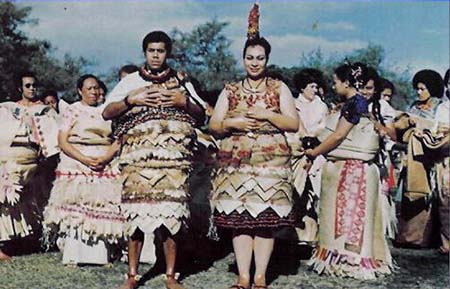
ranchosantafenow.net – The Kingdom of Tonga, an archipelago nation in the South Pacific, is a unique blend of ancient traditions and modern governance. Central to its societal structure is the concept of nobility, which has evolved significantly over the years, reflecting the ongoing tension between traditional practices and modern democratic reforms. This article explores the historical and contemporary roles of Tongan nobility, examining their privileges, responsibilities, and the challenges they face in a rapidly changing world.

Historical Context and Traditional Privileges

Tongan nobility, known as the “nobles of the realm,” trace their lineage back to the ancient chiefdoms that governed the islands. The nobility system was formalized in 1875 by King George Tupou I, who introduced significant reforms aimed at stabilizing the kingdom and aligning it with Western practices Traditionally, nobles held significant power, controlling land and labor as titled heads of their respective chiefdoms. They also played a crucial role in the governance of the kingdom, with many holding high-ranking positions in the government and the royal court

Modern Challenges and Democratic Reforms

The advent of democratic reforms in Tonga has significantly altered the power dynamics within the nobility. The Tongan Constitution, while still granting considerable privileges to nobles, has also introduced elements of equality and representation that challenge the traditional dominance of the nobility in political affairs Recent years have seen a reduction in the direct political power of the nobility, particularly in Parliament, where their influence has diminished

The New Nobility and Political Reforms

In response to these changes, a new generation of nobles has emerged, often referred to as the “new nobility.” These young leaders are advocating for political reforms that would modernize the nobility system and make it more responsive to the needs of the common people. They are actively engaging in public discourse and political activities, aiming to bridge the gap between traditional authority and modern governance

Conclusion

The Tongan nobility represents a fascinating case study of how traditional institutions adapt to modern pressures. While the nobility retains significant influence in Tongan society, its role is increasingly shaped by democratic reforms and the demands of a modern, globalized world. As Tonga continues to navigate this delicate balance between tradition and modernity, the nobility will undoubtedly play a crucial role in shaping the future of the kingdom.

This exploration of Tongan nobility highlights the complexities of cultural preservation and political evolution in a small island nation striving to maintain its identity while embracing change. The ongoing dialogue between the nobility and the broader Tongan society is a testament to the resilience and adaptability of Tongan culture.

From Carthage to Kairouan: Tunisia’s Fascinating Historical Sites

ranchosantafenow.net – Tunisia, a country with a rich and diverse history, is home to numerous historical sites that offer a glimpse into the lives of ancient civilizations and the evolution of North African culture. From the ruins of Carthage to the sacred city of Kairouan, these sites are not only testament to the region’s historical significance but also attract thousands of visitors each year. This article explores some of Tunisia’s most fascinating historical sites, highlighting their historical, cultural, and architectural value.

Carthage: A Phoenician Legacy

The Rise and Fall of an Empire

Carthage, located just outside the capital city of Tunis, was once a powerful Phoenician city-state that rivaled Rome. Founded in the 9th century BCE, Carthage became a dominant maritime power in the Mediterranean, controlling vast trade networks. However, its eventual defeat in the Punic Wars led to its destruction by the Romans in 146 BCE.

Archaeological Treasures

Today, the ruins of Carthage are a UNESCO World Heritage site, offering visitors a glimpse into the life of this ancient city. Key attractions include the Antonine Baths, the Punic Ports, and the remains of the Roman Villa of Dar Hussein, which showcase the city’s architectural and engineering prowess.

Dougga (Thugga): A Roman Gem

A Well-Preserved Roman City

Dougga, also known as Thugga, is one of the best-preserved Roman sites in Tunisia. Located in the north-west of the country, Dougga was an important agricultural and military center during the Roman Empire. The site is renowned for its well-preserved ruins, including a triumphal arch, a theater, and numerous temples.

The Capitole and the Temple of Saturn

The Capitole, a complex dedicated to the main Roman gods, and the Temple of Saturn are among the most impressive structures at Dougga. These buildings, with their intricate carvings and well-preserved architecture, provide insight into the religious and civic life of Roman North Africa.

Kairouan: The Holy City

A Center of Islamic Learning

Kairouan, founded in the 7th century by Arab conquerors, is considered one of the holiest cities in Islam and is often referred to as the “Fourth Holy City” after Mecca, Medina, and Jerusalem. It served as a major center of Islamic learning and culture during the Middle Ages.

The Great Mosque of Kairouan

The Great Mosque of Kairouan, or the Mosque of Uqba, is one of the most significant religious sites in the city. Built in 670 CE, it is one of the oldest mosques in the Islamic world and has been a model for many other mosques. The mosque’s architectural features, including its minaret and prayer hall, reflect the rich Islamic heritage of Kairouan.

El Jem: The Colosseum of Africa

A Magnificent Amphitheater

El Jem, located in central Tunisia, is home to the Amphitheater of El Jem, one of the largest and best-preserved Roman amphitheaters outside of Italy. Built in the 3rd century CE, the amphitheater could seat up to 30,000 spectators and was used for gladiatorial contests, wild beast fights, and public spectacles.

A Symbol of Roman Engineering

The El Jem amphitheater is a testament to Roman engineering and architectural skills. Its impressive structure, with three levels of arches and a sophisticated acoustic system, remains largely intact, offering visitors a vivid picture of the grandeur of Roman North Africa.

Conclusion

Tunisia’s historical sites are a window into the past, offering a glimpse into the lives of ancient civilizations that have shaped the region’s rich cultural tapestry. From the Phoenician ruins of Carthage to the Islamic heritage of Kairouan and the Roman grandeur of Dougga and El Jem, these sites not only attract history enthusiasts but also serve as a reminder of the country’s historical depth and diversity. As Tunisia continues to preserve and promote its historical sites, they remain a source of national pride and a significant draw for tourists from around the world.

Eritrea: A Historical Overview from Prehistory to the Present

ranchosantafenow.net – Eritrea’s history stretches back to prehistoric times, with archaeological evidence suggesting human habitation in the region for hundreds of thousands of years. The area was part of the broader Horn of Africa, a region that has been a crossroads for human migration and cultural exchange. Stone tools and other artifacts found in Eritrea indicate the presence of early hominins and later hunter-gatherer societies.

Ancient Kingdoms and the Aksumite Empire

The region that is now Eritrea was home to several ancient kingdoms, the most prominent of which was the Aksumite Empire. Emerging around the 1st century AD, Aksum became a powerful state, controlling trade routes that connected Africa, the Arabian Peninsula, and the broader Mediterranean world. The empire was known for its advanced architecture, including the famous stelae of Axum, and its conversion to Christianity in the 4th century, which played a significant role in the development of the Ethiopian Orthodox Tewahedo Church.

The Middle Ages and the Ottoman Period

Following the decline of Aksum, Eritrea entered a period of fragmentation, with various local kingdoms and sultanates controlling different parts of the region. The arrival of Islam in the 7th century introduced new cultural and religious influences. In the late 16th century, the Ottoman Empire extended its control over the Red Sea coast, including parts of Eritrea, which became an important hub for trade and military operations.

Colonial Era

The 19th century saw the scramble for Africa by European powers, and Eritrea was no exception. Italy began its colonization of Eritrea in 1882, establishing it as a colony in 1885. The Italian colonial period was marked by infrastructure development, including railways and roads, but also by resistance from the Eritrean population, which culminated in the 1894 Battle of Adwa, where Ethiopian forces decisively defeated the Italians. Despite this, Eritrea remained under Italian control until the end of World War II.

Post-World War II and Federation with Ethiopia

After World War II, Eritrea was placed under British military administration. In 1952, following a United Nations resolution, Eritrea was federated with Ethiopia as an autonomous entity. However, this arrangement was short-lived, as Ethiopian Emperor Haile Selassie annexed Eritrea outright in 1962, leading to a protracted and brutal war for independence.

The Struggle for Independence

The Eritrean War for Independence lasted from 1961 to 1991. The Eritrean People’s Liberation Front (EPLF) and other groups fought against the Ethiopian government for self-determination. The conflict was particularly intense during the Derg regime in Ethiopia, which followed the overthrow of Emperor Haile Selassie in 1974. The war ended in 1991 with the EPLF taking control of Eritrea and establishing a provisional government.

Independence and Recent History

Eritrea officially gained its independence in 1993, following a UN-supervised referendum. The country has since been governed by the People’s Front for Democracy and Justice (PFDJ), the successor to the EPLF. Eritrea’s post-independence period has been marked by authoritarian rule, a border conflict with Ethiopia in 1998-2000, and international isolation. The government has been criticized for human rights abuses, including the suppression of political dissent and the imposition of indefinite military service.

Conclusion

Eritrea’s history is a testament to the resilience and complexity of its people. From ancient kingdoms to colonial rule and the struggle for independence, Eritrea has navigated a tumultuous path to nationhood. Despite the challenges it faces today, Eritrea’s rich cultural heritage and strategic location continue to shape its place in the Horn of Africa and the world.

From Ha Long Bay to the Mekong Delta: The Beauty of Vietnam

ranchosantafenow.net – Vietnam, a country with a rich tapestry of cultural heritage and natural beauty, offers a diverse landscape that ranges from the stunning limestone karsts of Ha Long Bay to the lush, fertile plains of the Mekong Delta. This article explores the breathtaking scenery and unique experiences that await travelers in these two iconic regions of Vietnam.

Ha Long Bay: A Natural Wonder

Ha Long Bay, a UNESCO World Heritage site, is renowned for its emerald waters dotted with over 1,600 limestone islands and islets. The bay’s name translates to “Where the Dragon Descends into the Sea,” a reference to the legend of a celestial dragon that created the karsts.

Exploring the Bay

Visitors can explore Ha Long Bay by kayaking through its limestone karsts, visiting floating fishing villages, and taking part in responsible travel practices that help preserve the bay’s ecosystem. Overnight cruises offer a chance to witness the bay’s serene beauty at sunset and sunrise, with the opportunity to visit caves and grottoes carved by time and the sea.

Kayaking and Caving

Kayaking through the bay’s limestone karsts is an exhilarating experience, allowing for close encounters with the bay’s natural wonders. Caving in Ha Long Bay reveals hidden chambers adorned with stalactites and stalagmites, illuminated by the play of light and shadow.

The Mekong Delta: The Rice Bowl of Vietnam

The Mekong Delta, a vast riverine region in the southwest of Vietnam where the Mekong River approaches and empties into the sea through a network of distributaries, is known as the “Rice Bowl of Vietnam.” This fertile region is a testament to the country’s agricultural heritage and the resilience of its people.

Life on the Water

Life in the Mekong Delta revolves around the river, with locals navigating the intricate network of canals and tributaries in their daily routines. Travelers can experience this way of life by taking a boat tour, visiting floating markets, and witnessing the bustling activity of river life.

Floating Markets and Local Cuisine

The floating markets of the Mekong Delta are a spectacle of commerce and culture, where vendors sell fruits, vegetables, and other goods from their boats. The delta’s cuisine is a reflection of its abundant resources, featuring freshwater fish, tropical fruits, and the famous Vietnamese coffee.

Conclusion

From the majestic seascapes of Ha Long Bay to the tranquil waterways of the Mekong Delta, Vietnam offers a journey through contrasting landscapes that showcase the country’s natural beauty and cultural richness. Whether exploring the mystical karsts of Ha Long Bay or experiencing the riverine life of the Mekong Delta, travelers are sure to be captivated by the diverse wonders of Vietnam.

The Political Landscape of El Salvador: Elections & Governance

ranchosantafenow.net – El Salvador, the smallest and most densely populated country in Central America, has a political landscape that is as dynamic as it is complex. The country’s governance and electoral processes have evolved significantly over the past few decades, reflecting broader social, economic, and security challenges. This article provides an overview of the current political landscape of El Salvador, focusing on its electoral system, major political parties, and the key issues that shape its governance.

Electoral System

El Salvador operates under a presidential system, where the President is both the head of state and the head of government. The President is elected to a single five-year term, with no possibility of re-election. The Legislative Assembly, the country’s unicameral legislature, is composed of 84 deputies who are elected for three-year terms. The electoral system is a mix of proportional representation and single-member districts, which allows for a diverse representation of political parties.

Major Political Parties

The political arena in El Salvador is dominated by three major parties:

  1. Nationalist Republican Alliance (ARENA): Founded in 1981, ARENA is a center-right party that has traditionally been associated with the business sector and conservative values. It has been a significant player in Salvadoran politics, having held the presidency from 1989 to 2009.
  2. Farabundo Martí National Liberation Front (FMLN): The FMLN is a left-wing party that emerged from the guerrilla movement that fought the government during the country’s civil war (1980-1992). It has since transformed into a political party and held the presidency from 2009 to 2019.
  3. New Ideas (Nuevas Ideas): Founded in 2017, New Ideas is a relatively new party that has quickly gained popularity. It is associated with Nayib Bukele, who was elected President in 2019. The party positions itself as anti-establishment and has been successful in appealing to a broad base of voters disillusioned with traditional politics.

Governance and Key Issues

The governance of El Salvador is influenced by several key issues:

  1. Gang Violence: El Salvador has one of the highest homicide rates in the world, largely due to the presence of powerful gangs such as MS-13 and Barrio 18. The government’s ability to address gang violence and improve public security is a critical aspect of governance.
  2. Economic Challenges: The country faces significant economic challenges, including high levels of poverty, unemployment, and inequality. Economic policies that can stimulate growth and create jobs are essential for stability and development.
  3. Migration: The combination of violence, economic hardship, and climate change has led to high levels of migration, both internally and to the United States. Managing migration and addressing its root causes are ongoing challenges for the government.
  4. Corruption: Corruption remains a significant issue in El Salvador, undermining public trust in institutions and hindering development. Efforts to combat corruption and promote transparency are crucial for good governance.
  5. Environmental Concerns: El Salvador is particularly vulnerable to the impacts of climate change, including droughts and hurricanes. Environmental sustainability and resilience are important considerations for the government.

Conclusion

The political landscape of El Salvador is characterized by a competitive multi-party system, with elections playing a central role in the country’s governance. The major political parties reflect the ideological spectrum, from right to left, and new entrants like New Ideas are reshaping the political dynamics. As El Salvador navigates its complex challenges, the effectiveness of its governance will be critical in addressing issues such as gang violence, economic development, migration, corruption, and environmental sustainability. The country’s political evolution will continue to be closely watched, both domestically and internationally.

The Evolution of Japanese Animation in 2024

ranchosantafenow.net – The year 2024 marks a significant milestone in the evolution of Japanese animation, showcasing a blend of traditional storytelling with modern digital advancements. This article explores the key developments, trends, and notable releases that define the year in Japanese animation.

Innovations in Animation Techniques

The year 2024 has seen a notable evolution in animation techniques, with a significant focus on AI-driven animation and immersive VR/AR experiences. These advancements have not only enhanced the visual quality of animations but have also opened new avenues for storytelling and audience engagement.

Notable Anime Releases

The year 2024 has been rich in new anime releases, reflecting a diverse range of genres and themes. Some of the most anticipated series include “Re: Monster,” “That Time I Got Reincarnated as a Slime season 3,” and “My Hero Academia season 7,” which promises to adapt some of the best content from the manga.

The Role of Anime in Japanese Culture

Anime continues to play a pivotal role in Japanese culture, serving as a significant cultural export and a key component of the “Cool Japan” strategy. The industry’s growth is evident in the increasing global popularity of anime, which has led to a surge in international collaborations and adaptations.

Challenges and Opportunities

Despite its growth, the Japanese animation industry faces challenges such as talent shortages and the need for sustainable working conditions. The industry is grappling with issues of “high pressure, internal competition, low pay, and overwork,” which are impacting the quality and quantity of new productions.

Future Outlook

Looking ahead, the future of Japanese animation appears promising, with ongoing technological advancements and a growing global audience. The industry is expected to continue evolving, embracing new technologies and exploring innovative storytelling techniques to captivate audiences worldwide8.

In conclusion, the year 2024 has been a year of significant growth and innovation in Japanese animation. With a focus on technological advancements and a rich lineup of new releases, the industry is poised to continue its evolution, captivating audiences with its unique storytelling and visual artistry.

The Economic Impact of Panama’s Construction Sector

ranchosantafenow.net – The construction sector in Panama has been a significant driver of economic growth and job creation, contributing substantially to the country’s GDP. This article explores the economic impact of Panama’s construction sector, highlighting its role in job creation, infrastructure development, and overall economic growth.

Contribution to Economic Growth

The construction sector in Panama has experienced robust growth over the past decade, driven by both public and private investments. According to the Panamanian Ministry of Economy and Finance, the sector contributed approximately 8% to the country’s GDP in 2023. This growth is attributed to large-scale infrastructure projects, including the expansion of the Panama Canal, the construction of new highways, and the development of residential and commercial buildings.

Job Creation

One of the most significant impacts of the construction sector is its role in job creation. The sector is labor-intensive, providing employment opportunities for a wide range of skills, from engineers and architects to construction workers and laborers. The Panamanian Chamber of Construction estimates that the sector directly employs over 150,000 individuals, with indirect employment opportunities in related industries such as manufacturing, transportation, and retail.

Infrastructure Development

The construction sector is pivotal in infrastructure development, which is crucial for economic growth and improved quality of life. Key infrastructure projects, such as the Panama Metro and the expansion of the Tocumen International Airport, have enhanced connectivity and logistics, making Panama a more attractive destination for investment and tourism. Moreover, the development of residential and commercial buildings has contributed to urban development and the modernization of cities.

Challenges and Future Prospects

Despite its significant contributions, the construction sector faces challenges such as regulatory hurdles, financing constraints, and the need for skilled labor. To address these challenges, the Panamanian government has implemented reforms to streamline the regulatory process and improve access to financing. Additionally, there is a growing emphasis on sustainable construction practices to ensure that infrastructure development is environmentally responsible.

Conclusion

The construction sector in Panama is a critical component of the country’s economy, contributing to economic growth, job creation, and infrastructure development. As Panama continues to invest in large-scale projects and urban development, the sector is poised to play an even more significant role in the country’s economic future. However, addressing the sector’s challenges will be essential to sustaining its growth and ensuring that it continues to benefit the broader economy.

The Journey of Latvians Abroad: The Latvian Diaspora

ranchosantafenow.net – The Latvian diaspora is a global community of individuals who trace their heritage back to Latvia but now reside in countries around the world. This diaspora was formed through various waves of emigration, each driven by different historical, economic, and political factors. Today, Latvians abroad contribute significantly to their host countries while maintaining a strong connection to their homeland.

Historical Context of Latvian Emigration

The history of Latvian emigration can be divided into several key periods. The first significant wave occurred at the beginning of the 20th century, driven by economic hardship and the search for better opportunities. The second wave followed the end of World War II, when many Latvians fled the country to escape Soviet occupation. The third wave began in the late 1980s and early 1990s, as Latvia transitioned to independence and a market economy, leading to both economic migration and the return of some diaspora members to Latvia.

The Global Reach of the Latvian Diaspora

Latvians have settled in various corners of the globe, with notable communities in North America, Australia, the United Kingdom, and other European countries. The United States and Canada are home to the largest Latvian communities outside of Latvia, with significant populations in cities like Toronto, New York, and Los Angeles.

Cultural Preservation and Community Building

Despite being spread across the world, Latvians abroad have worked diligently to preserve their language, traditions, and cultural heritage. Latvian schools, cultural centers, and community organizations play a crucial role in maintaining a sense of identity and connection among diaspora members. These institutions often host events such as Jāņi (Midsummer) celebrations, folk dance performances, and language classes, ensuring that Latvian culture thrives in foreign lands.

Economic and Professional Contributions

Members of the Latvian diaspora have made significant contributions to their host countries’ economies and professional spheres. Many Latvians have excelled in fields such as science, technology, the arts, and business. Their successes not only reflect the resilience and adaptability of the Latvian people but also strengthen the bonds between Latvia and the countries where its diaspora resides.

The Role of the Diaspora in Latvia’s Development

The Latvian diaspora has played a vital role in the development of Latvia, particularly since the country regained independence in 1991. Diaspora members have contributed to Latvia’s economic growth through investments, supported cultural and educational initiatives, and provided valuable expertise in various sectors. The diaspora’s engagement is facilitated by organizations that aim to connect Latvians abroad with opportunities in Latvia, fostering a mutually beneficial relationship.

Conclusion

The Latvian diaspora is a testament to the resilience and adaptability of the Latvian people. Through their global journey, Latvians abroad have enriched their host countries while maintaining a strong connection to their homeland. The diaspora’s contributions to culture, economy, and society are a source of national pride and a bridge between Latvia and the world. As Latvia continues to develop, the role of its diaspora in shaping the country’s future will undoubtedly remain significant.

Israel-Palestine Marriage Stories: Love in a Troubled Landscape

ranchosantafenow.net – In the heart of the Middle East, where conflict and tension have been a constant backdrop for decades, the personal stories of love and marriage between Israelis and Palestinians offer a unique perspective on the human condition. These unions, often fraught with challenges, provide a glimpse into the complexities of life in a troubled landscape.

The Power of Love: Overcoming Divides

Despite the political and social barriers that separate Israelis and Palestinians, love has a way of transcending these divides. Couples from both sides of the conflict share their experiences of navigating a relationship in a region where their love is sometimes seen as an act of defiance.

Legal and Social Hurdles

Marriages between Israelis and Palestinians face numerous legal and social hurdles. The article delves into the bureaucratic challenges these couples must overcome, including citizenship issues, residency rights, and the logistical difficulties of living in a region with strict border controls.

Personal Narratives: Love Against All Odds

The narrative shifts to personal stories, where individuals recount their journeys from meeting to marriage, highlighting the resilience and determination required to sustain a relationship in such a volatile environment. These stories are a testament to the power of love to unite people across seemingly insurmountable divides.

The Impact on Families and Communities

The decision to marry someone from the “other side” often has profound implications for the couple’s families and communities. This section explores the reactions from both Israeli and Palestinian families, ranging from acceptance and support to disownment and ostracization.

Building Bridges: A Beacon of Hope

In a landscape marred by conflict, these marriages serve as a beacon of hope. The article concludes by reflecting on the potential of such unions to foster understanding and peace, as they challenge stereotypes and build bridges between two peoples who have been at odds for generations.

Conclusion

Love in a Troubled Landscape: Israel-Palestine Marriage Stories offers a poignant look at the human side of the Israeli-Palestinian conflict. Through the lens of personal relationships, it provides a narrative of hope, resilience, and the enduring power of love to transcend even the deepest of divides.

Reflecting the State’s Ideology: Art & Literature of North Korea

ranchosantafenow.net – The art and literature of North Korea serve as powerful tools for the state to disseminate its ideology and maintain control over its citizens. Unlike in many other countries, where these forms of expression can be diverse and reflect a wide range of personal and societal issues, North Korean art and literature are tightly controlled by the government and are used to reinforce the official narrative.

The Role of Propaganda in North Korean Art

North Korean art is heavily influenced by the state’s propaganda machine. It is used to glorify the country’s leaders, the Kim dynasty, and to instill a sense of loyalty and patriotism among the populace. Paintings, sculptures, and other visual arts often depict heroic scenes from the country’s history, the benevolence of its leaders, and the strength of the North Korean people.

Literature as a Tool for Ideological Indoctrination

Literature in North Korea is another means through which the state’s ideology is propagated. Novels, poetry, and other written works are carefully crafted to align with the government’s message. They often feature themes of sacrifice, devotion to the state, and the superiority of the North Korean system. Authors are expected to adhere to strict guidelines, and their works are subject to censorship to ensure they do not deviate from the approved narrative.

The Impact of Isolation on North Korean Art and Literature

North Korea’s isolation from much of the international community has had a significant impact on its art and literature. With limited exposure to foreign influences, the country’s cultural output remains relatively homogenous and focused on domestic themes. However, this isolation also means that the art and literature of North Korea offer a unique glimpse into the state’s efforts to shape the collective mindset of its people.

The Future of North Korean Art and Literature

As the world becomes increasingly interconnected, it remains to be seen how North Korean art and literature will evolve. While the state’s control over these forms of expression is unlikely to wane in the near future, there may be subtle shifts in themes and styles as the country navigates its complex relationship with the rest of the world.

Conclusion

The art and literature of North Korea are integral components of the state’s ideological apparatus. Through these mediums, the government exerts its influence, shaping the perceptions and beliefs of its citizens. As such, they offer a window into the mechanisms of control and the values that the North Korean regime seeks to instill in its people. Understanding the role of art and literature in North Korea is crucial for gaining insight into the country’s political and social landscape.

Togo Economic Diversification: Beyond Phosphate and Agriculture

ranchosantafenow.net – Togo, a West African country known for its significant phosphate production and robust agricultural sector, is increasingly focusing on economic diversification to foster sustainable growth and development. The country’s economy, traditionally reliant on agriculture and mining, particularly phosphate, is now exploring new avenues to reduce dependency on these sectors and enhance resilience against external shocks.

The Role of Agriculture and Phosphate

Agriculture is a cornerstone of Togo’s economy, contributing 18.3% to the GDP and employing 31% of the active workforce. The sector is dominated by subsistence farming, with cassava, yams, and maize being the main crops. Togo is also one of the largest phosphate producers globally, a commodity that has seen significant growth in production and sales, driven by soaring global prices and strategic initiatives.

Challenges and the Need for Diversification

Despite these strengths, Togo faces several challenges that necessitate economic diversification. The economy is vulnerable to external factors such as global commodity prices and regional instability. Moreover, the concentration of economic growth in modern sectors has led to higher poverty levels in rural areas compared to urban areas.

Initiatives for Diversification

To address these challenges, Togo is actively pursuing strategies to diversify its economy. The government and international organizations like the African Development Bank (AfDB) are working on initiatives to accelerate structural transformation and economic diversification. The AfDB, for instance, aims to foster the creation of high-value jobs through various projects that promote industrialization and services.

Potential Sectors for Growth

Several sectors are being targeted for growth and development. Industrial activity, including manufacturing and electricity, showed signs of recovery in 2023, indicating potential for further expansion. The services sector, particularly logistics and trade, is also being developed to leverage Togo’s strategic location as a sub-regional hub.

Conclusion

Togo’s journey towards economic diversification is crucial for its long-term development and stability. By reducing dependency on agriculture and phosphate, and by investing in new sectors, the country can create a more resilient and inclusive economy. The recent political and constitutional changes, aimed at improving governance and transparency, are expected to support these efforts by creating a more conducive environment for investment and growth.

As Togo continues to navigate these changes, the success of its diversification strategies will depend on effective implementation, international cooperation, and the ability to adapt to changing global and regional economic conditions.

Zimbabwe Healthcare System: Finding Challenges and Progress

ranchosantafenow.net – Zimbabwe’s healthcare system, while rich in cultural heritage and natural resources, has faced significant challenges over the years. The country’s health sector has been grappling with numerous issues that have impacted the quality and accessibility of healthcare services.

Challenges Faced by the Healthcare System

  1. Funding Shortages: One of the most significant challenges is the periodic funding shortages that have plagued the healthcare sector. The allocation of only 10.1% of the total annual budget to health in 2020 highlights the financial constraints that have limited the sector’s ability to function effectively.
  2. Brain Drain: Zimbabwe has experienced a significant brain drain, where skilled professionals and healthcare staff have emigrated to other countries in search of better opportunities. This has left the country with a shortage of healthcare workers, further exacerbating the challenges in the sector.
  3. Infrastructure and Equipment: The healthcare infrastructure in Zimbabwe is in dire need of improvement. Many facilities are ill-equipped and understaffed, which affects the quality of care provided. This situation is compounded by the economic challenges that have limited the ability to invest in new facilities and equipment.
  4. Economic Crises: The economic crises, particularly those experienced between 2008 and 2019, have had a profound impact on the healthcare system. These crises have led to a reduction in the allocation of funds to the health sector, making it difficult to maintain and improve healthcare services.

Progress and Improvements

Despite these challenges, there have been notable efforts and progress in the healthcare sector of Zimbabwe.

  1. Unity Government and Reforms: The formation of a unity government in February 2009 marked a significant turning point. This government has been working on reforms aimed at improving the healthcare system and addressing some of the systemic issues that have plagued the sector.
  2. Increased Awareness and Support: There is a growing awareness of the challenges facing the healthcare sector, which has led to increased support from both local and international organizations. This support has helped in providing some relief and has contributed to the gradual improvement of healthcare services.
  3. Public Health Initiatives: Various public health initiatives have been implemented to address specific health challenges. These initiatives have focused on improving access to healthcare services, particularly in rural areas, and have shown some positive results.
  4. Technological Advancements: Efforts are being made to integrate technology into the healthcare system to improve efficiency and access to care. While still in the early stages, these initiatives hold promise for the future of healthcare in Zimbabwe.

Conclusion

Zimbabwe’s healthcare system is at a critical juncture, facing significant challenges but also showing signs of progress. The path forward will require sustained efforts from both the government and the international community to address the systemic issues and improve the quality of healthcare services. With continued support and strategic reforms, Zimbabwe can make substantial strides in improving its healthcare system and ensuring that all its citizens have access to quality healthcare services.

From French Territory to Independence: The History of Djibouti

ranchosantafenow.net – The history of Djibouti is a tale of colonial rule and the struggle for self-determination. Located in the Horn of Africa, Djibouti’s strategic position on the Red Sea has made it a significant maritime hub and a focal point for various powers throughout its history. The journey from a French territory to an independent nation is a narrative of resilience and the quest for sovereignty.

Early History and Colonial Rule

Before the arrival of European colonialists, the territory that is now Djibouti was inhabited by various ethnic groups, including the Afar and the Issas. These communities had their own social and political structures, often centered around clan and tribal affiliations.

The French began to take an interest in the region in the 19th century, establishing a protectorate over the area in 1884. This was formalized in 1896 when the French Somaliland (Côte Française des Somalis) was established as a French colony. The French administration brought about significant changes, including the construction of the Addis Ababa-Djibouti railway, which facilitated trade and furthered French influence in the region.

The Road to Independence

The push for independence in Djibouti gained momentum in the post-World War II era, as decolonization movements swept across Africa. The territory’s strategic importance, coupled with the presence of the railway and a deep-water port, made the French reluctant to relinquish control.

In the 1950s and 1960s, political parties representing the Afar and Issa communities began to coalesce around the idea of independence. The most prominent of these was the Democratic Union of the Issa and Afar (UDIA), which advocated for a united front against French rule.

The Referendums

The path to independence was not straightforward. In 1958, a referendum was held to determine whether Djibouti would join the French Community or become fully independent. The majority voted to remain within the French sphere, largely due to French influence and the fear of being absorbed by neighboring Ethiopia or Somalia.

However, the independence movement continued to grow, and in 1977, another referendum was held. This time, the outcome was different. With a significant portion of the population in favor, Djibouti declared its independence on June 27, 1977, becoming the Republic of Djibouti.

Post-Independence Challenges

The early years of independence were marked by political instability and economic challenges. Djibouti had to navigate its newfound sovereignty amidst regional conflicts and the complexities of nation-building. The country’s leaders worked to establish a stable government and to leverage its strategic location to foster economic development.

Conclusion

The history of Djibouti from French territory to independence is a testament to the enduring spirit of its people. Despite the challenges of colonial rule and the complexities of post-independence governance, Djibouti has carved out a unique role for itself on the African continent and in the global arena. Today, it stands as a vital link in international trade and a key player in regional security, a far cry from its days as a French colony.

From Oldboy to Parasite: Korean Cinema

ranchosantafenow.net – Korean cinema has undergone a remarkable transformation over the past few decades, evolving from a niche interest to a global phenomenon. With films like “Oldboy” and “Parasite” achieving international acclaim, the world has taken notice of the unique storytelling, innovative filmmaking techniques, and deep cultural insights that Korean cinema has to offer. This article explores the journey of Korean cinema, from its early days to its current status as a leading force in the global film industry.

The Early Days of Korean Cinema

Korean cinema has a rich history that dates back to the early 20th century. The first Korean film, “Arirang,” was released in 1924 and is considered a silent masterpiece. Despite the challenges posed by Japanese occupation and the Korean War, the industry continued to grow, with filmmakers like Lee Man-hee and Shin Sang-ok laying the groundwork for future generations.

The New Korean Cinema Movement

The 1990s marked the beginning of a new era for Korean cinema. The government’s lifting of restrictions on screen quotas and the deregulation of the film industry led to a surge in creativity and production. This period saw the emergence of the “New Korean Cinema” movement, characterized by a focus on realism, social commentary, and a blend of genres. Directors like Kim Ki-duk and Hong Sang-soo brought fresh perspectives to the screen, challenging both audiences and critics.

International Breakthrough: Oldboy

Park Chan-wook’s “Oldboy” (2003) was a watershed moment for Korean cinema. The film, with its intricate plot, stunning visuals, and intense performances, became an instant cult classic. “Oldboy” not only won critical acclaim at home but also garnered international attention, winning the Grand Prix at the Cannes Film Festival. It opened doors for Korean films, proving that they could compete on the world stage.

The Rise of Korean Blockbusters

Following the success of “Oldboy,” Korean cinema continued to rise, with a string of blockbuster hits that combined high production values with engaging narratives. Films like “The Host” (2006) and “The Admiral: Roaring Currents” (2014) broke box office records, demonstrating the growing sophistication of the Korean film industry and its appeal to a broad audience.

Parasite: A New Milestone

Bong Joon-ho’s “Parasite” (2019) marked the pinnacle of Korean cinema’s global ascent. Winning the Palme d’Or at Cannes and becoming the first non-English language film to win the Best Picture Oscar, “Parasite” showcased the maturity and versatility of Korean cinema. The film’s universal themes of class struggle and social inequality resonated with audiences worldwide, proving that Korean stories could transcend cultural boundaries.

The Future of Korean Cinema

The success of “Oldboy” and “Parasite” is not just a testament to the talents of individual filmmakers but also to the strength and diversity of the Korean film industry as a whole. With a robust infrastructure, a supportive government, and a passionate audience, Korean cinema is poised for even greater achievements. As it continues to evolve, the industry will undoubtedly produce more groundbreaking films that will captivate audiences around the globe.

Conclusion

From the silent era to the digital age, Korean cinema has come a long way. The journey from “Oldboy” to “Parasite” is a story of resilience, innovation, and artistic excellence. As the industry looks to the future, it carries with it the legacy of its past achievements and the promise of new cinematic wonders yet to come. Korean cinema’s impact on the global film landscape is undeniable, and its best may yet be ahead.