Mini Pom dan Anak-Anak: Apakah Cocok Jadi Teman Kecil di Rumah?

Mini Pom atau Pomeranian mini dikenal sebagai anjing mungil dengan bulu lebat dan wajah menggemaskan. Banyak keluarga tertarik memeliharanya karena ukurannya yang kecil dan penampilannya yang lucu. Tapi, apakah Mini Pom cocok untuk jadi teman anak-anak di rumah?

Mini Pom menunjukkan sifat ramah, energik, dan penuh rasa ingin tahu. Mereka suka bermain dan berinteraksi dengan manusia, termasuk anak-anak. Ketika kamu membiarkan anak bermain bersama Mini Pom di bawah pengawasan, hubungan keduanya bisa tumbuh menjadi ikatan yang menyenangkan dan positif.

Namun, penting untuk kamu tahu bahwa Mini Pom juga termasuk anjing yang rentan stres jika diperlakukan kasar atau tidak hati-hati. Karena ukurannya kecil, tubuhnya mudah cedera jika terjatuh atau tertimpa benda berat. Maka dari itu, orang tua harus mengajarkan anak untuk memperlakukan hewan peliharaan dengan lembut dan penuh tanggung jawab.

Mini Pom juga dikenal cukup vokal. Mereka mudah menggonggong jika mendengar suara asing, yang bisa jadi kelebihan atau kekurangan tergantung situasi rumah kamu. Meski begitu, pragmatic play kamu bisa melatih Mini Pom sejak dini untuk bersosialisasi dengan anak dan lingkungan sekitar.

Untuk perawatan, Mini Pom memerlukan grooming rutin karena bulunya tebal dan mudah kusut. Ajak anak untuk terlibat saat menyisir bulu atau memberi makan agar mereka belajar merawat makhluk hidup dengan penuh kasih.

Dengan bimbingan yang baik, Mini Pom bisa jadi teman kecil yang ceria dan penyayang untuk anak-anak. Mereka tak hanya menghibur, tapi juga bisa mengajarkan tanggung jawab sejak usia dini.

Taman Nasional Volcanoes: Menjaga Habitat Gorila di Rwanda

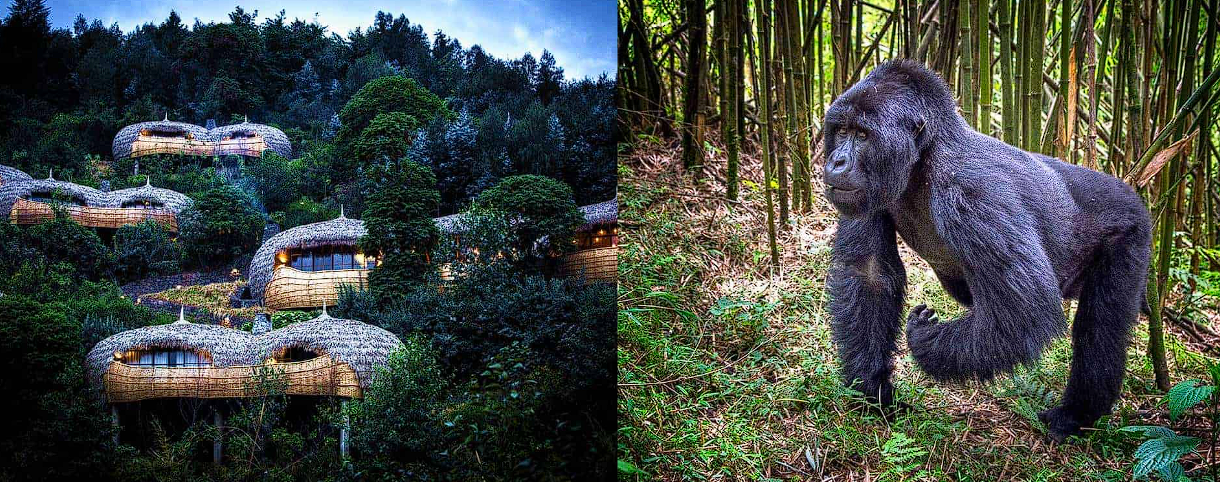
ranchosantafenow – Taman Nasional Volcanoes, yang terletak di Rwanda, adalah salah satu kawasan konservasi paling terkenal di dunia. Taman ini terkenal karena menjadi rumah bagi populasi gorila gunung yang terancam punah. Dengan luas sekitar 160 kilometer persegi, taman ini mencakup lima gunung berapi yang menjulang tinggi, yaitu Karisimbi, Bisoke, Muhabura, Gahinga, dan Sabyinyo. Taman Nasional Volcanoes tidak hanya menjadi tempat penting bagi konservasi gorila, tetapi juga memiliki peran signifikan dalam ekosistem dan pariwisata Rwanda.

Taman Nasional Volcanoes didirikan pada tahun 1925, menjadikannya salah satu taman nasional tertua di Afrika. Awalnya, taman ini didirikan untuk melindungi gorila gunung dari perburuan dan hilangnya habitat. Pada tahun 1967, primatologis terkenal Dian Fossey mendirikan Pusat Penelitian Karisoke di dalam taman ini, yang berperan besar dalam penelitian dan konservasi gorila gunung.

Gorila gunung (Gorilla beringei beringei) adalah salah satu spesies primata yang paling terancam punah di dunia. Populasi mereka terus menurun akibat perburuan, hilangnya habitat, dan penyakit. Taman Nasional Volcanoes menjadi salah satu tempat terakhir di mana gorila gunung dapat hidup dengan aman. Upaya konservasi yang dilakukan di taman ini meliputi pemantauan harian terhadap gorila, perlindungan habitat, dan program pariwisata berkelanjutan yang memberikan pendapatan bagi masyarakat lokal.

Selain gorila gunung, Taman Nasional Volcanoes juga merupakan rumah bagi berbagai spesies flora dan fauna lainnya. Taman ini memiliki ekosistem yang unik dan beragam, mulai dari hutan bambu hingga lahan subalpin. Beberapa spesies yang dapat ditemukan di taman ini termasuk monyet emas, hylobatidae, dan berbagai jenis burung. Keanekaragaman hayati ini membuat taman ini menjadi salah satu kawasan konservasi yang paling penting di Afrika.

Pariwisata gorila menjadi salah satu daya tarik utama di Rwanda. Wisatawan dari seluruh dunia datang server jepang ke Taman Nasional Volcanoes untuk melihat gorila gunung di habitat alaminya. Aktivitas ini tidak hanya memberikan pengalaman yang tak terlupakan bagi wisatawan, tetapi juga memberikan kontribusi signifikan bagi perekonomian lokal dan nasional. Pendapatan dari pariwisata digunakan untuk mendukung program konservasi dan meningkatkan kesejahteraan masyarakat sekitar.

Meskipun upaya konservasi telah berhasil meningkatkan populasi gorila gunung, taman ini masih menghadapi berbagai tantangan. Perubahan iklim, perambahan lahan, dan penyakit terus mengancam kelangsungan hidup gorila. Oleh karena itu, penting untuk terus mendukung dan memperkuat upaya konservasi yang ada. Kolaborasi antara pemerintah, organisasi non-pemerintah, dan masyarakat lokal menjadi kunci dalam menjaga kelestarian Taman Nasional Volcanoes dan habitat gorila gunung.

Taman Nasional Volcanoes adalah simbol keberhasilan konservasi di Rwanda dan dunia. Dengan upaya yang berkelanjutan dan dukungan dari berbagai pihak, taman ini berhasil melindungi gorila gunung dan menjaga keanekaragaman hayati yang ada di dalamnya. Pariwisata yang berkelanjutan juga memberikan manfaat ekonomi yang signifikan, menunjukkan bahwa konservasi dan pembangunan dapat berjalan beriringan. Masa depan Taman Nasional Volcanoes dan gorila gunung bergantung pada komitmen dan upaya kolektif untuk melindungi alam dan menjaga keseimbangan ekosistem.

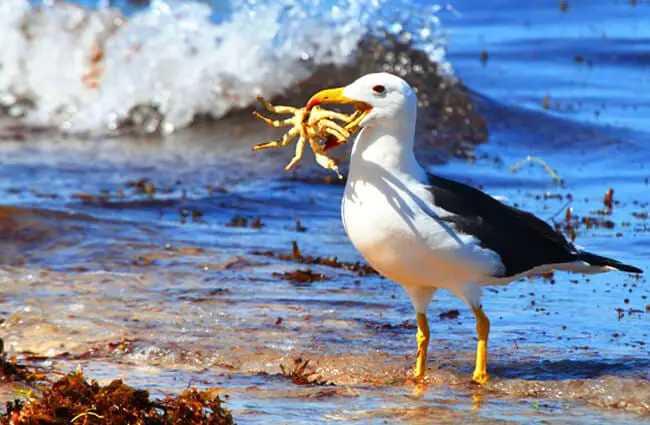
The Diet of Albatrosses: Masters of the Open Ocean

ranchosantafenow.net – Albatrosses are some of the most remarkable seabirds in the world, known for their extraordinary long-distance flight and impressive wingspans, which can stretch up to 12 feet across. These majestic birds spend much of their lives soaring over the world’s oceans, often traveling thousands of miles in search of food. Their diet is diverse, consisting of marine organisms they encounter while gliding over vast oceanic expanses. In this article, we will explore the various food sources of albatrosses, how they forage for food, and their role in marine ecosystems.

1. Marine Animals: The Core of an Albatross’s Diet

Albatrosses are primarily carnivorous seabirds, and their diet mainly consists of marine animals. They are opportunistic feeders, meaning they consume a variety of prey depending on availability, including fish, squid, krill, and even carrion. These birds are highly adapted to life at sea and have evolved to exploit the rich food resources of the world’s oceans.

Their diet is influenced by the regions they inhabit. For instance, albatrosses that nest in the Southern Ocean may feed on different species compared to those found in the North Pacific or North Atlantic. Albatrosses are known to travel vast distances in search of food, sometimes covering hundreds of miles in a single foraging trip.

2. Fish: A Significant Food Source

Fish are a staple in the diet of many albatross species. They feed on a variety of fish species, including both small and larger fish. Albatrosses typically catch fish near the ocean’s surface while gliding or diving. Their diet often includes species like anchovies, lanternfish, and other small schooling fish that congregate near the surface of the water.

Albatrosses are skilled at hunting for fish, often using their keen eyesight to spot schools of fish below the surface. They are known to forage in areas where upwellings of cold, nutrient-rich water bring fish to the surface, making it easier for them to catch prey.

3. Squid: A Favorite Food

Squid, particularly the small to medium-sized species, are another primary food source for albatrosses. Squid are rich in protein and energy, making them an ideal food for these long-flying seabirds. Albatrosses typically hunt squid in deeper waters, often during the night when these creatures come closer to the surface to feed.

The albatross’s long wings and strong flying abilities allow it to cover vast stretches of ocean, increasing the likelihood of finding areas where squid are abundant. The birds often catch squid while they are swimming near the surface or dive to deeper waters to capture them.

4. Krill and Other Marine Invertebrates

Albatrosses also consume various types of marine invertebrates, such as krill, which are small crustaceans that form the base of the oceanic food chain. Krill are often found in large swarms, particularly in colder, nutrient-rich waters. Albatrosses are adept at locating these swarms and feeding on them when they are available.

In addition to krill, albatrosses may consume other marine invertebrates like copepods, jellyfish, and various types of plankton, all of which are important sources of energy for these birds, particularly during breeding and migration seasons when their energy demands are higher.

5. Carrion: Scavenging from the Sea

Albatrosses are opportunistic feeders and will scavenge when the opportunity arises. They are known to feed on the carcasses of dead marine animals, such as dead fish, seals, or even large whales. These birds are often found around ships, where they take advantage of discarded food and fishing bycatch.

Albatrosses are also known to follow fishing boats and ships, where they can scavenge for offal and fish scraps. In some cases, these birds may also pick up pieces of garbage or discarded plastics that resemble food, though such behavior is a growing concern for the health of albatross populations.

6. Foraging Techniques: How Albatrosses Find Food

Albatrosses have evolved several effective foraging techniques to find food in the vast open ocean. These birds are known for their impressive ability to glide for long distances without flapping their wings, thanks to their specialized wing structure. This allows them to cover large areas while searching for food, often over thousands of miles.

One key foraging strategy employed by albatrosses is called “dynamic soaring,” which involves using wind currents over the ocean’s surface to gain altitude and glide long distances without expending much energy. By exploiting wind patterns, albatrosses can search for food over expansive ocean areas, returning to their nests after long foraging trips.

Albatrosses are also known to follow ocean currents and upwelling zones, areas where cold, nutrient-rich waters rise to the surface. These regions attract large concentrations of fish and squid, making them prime feeding grounds for albatrosses.

7. Seasonal Variation in Diet

The diet of albatrosses can vary depending on the season and location. During breeding seasons, when albatrosses return to their nesting colonies, they tend to focus their foraging efforts on feeding their chicks. During this time, they may focus on high-energy foods like squid and fish to provide the necessary nutrients for chick development.

In the non-breeding season, albatrosses may expand their foraging range and feed on a wider variety of marine animals, depending on what is available. They are highly adaptable and able to adjust their diet based on seasonal changes and the availability of food resources.

8. Conservation Threats: Impact of Pollution and Overfishing

Albatrosses face several conservation challenges, many of which are related to food availability. One of the major threats to albatross populations is the depletion of marine resources due to overfishing. As fish stocks dwindle, albatrosses may find it harder to locate food, particularly in their traditional feeding grounds.

Pollution, particularly plastic waste, also poses a significant threat to albatrosses. These birds are known to ingest plastic debris, which they often mistake for food. The ingestion of plastic can be fatal for albatrosses, as it can cause internal injuries, blockages, or lead to malnutrition.

Additionally, fishing practices such as longlining can accidentally catch albatrosses, which often dive after baited hooks. These birds may become trapped, leading to injury or death. Efforts to reduce bycatch and implement sustainable fishing practices are crucial to the conservation of albatross species.

9. The Importance of Albatrosses in Marine Ecosystems

Albatrosses play a vital role in marine ecosystems as top predators in the ocean’s food web. By consuming a wide variety of marine organisms, they help maintain the balance of marine populations and prevent certain species from becoming overly abundant. Their scavenging activities also help to clean up dead marine animals, preventing the spread of disease and keeping the oceans healthy.

Moreover, albatrosses are important indicators of ocean health. Changes in their foraging patterns and diet can reflect shifts in the health of marine ecosystems, such as the depletion of fish stocks or changes in the availability of prey.

10. Conservation Efforts: Protecting Albatross Populations

Efforts to protect albatrosses focus on addressing the major threats they face, including habitat destruction, overfishing, and pollution. Conservation organizations are working to reduce bycatch in fishing operations by promoting the use of bird-friendly fishing gear and techniques. There are also initiatives to reduce plastic pollution in the oceans and protect albatross nesting sites from disturbance.

In addition, habitat restoration and the establishment of marine protected areas are important steps in ensuring that albatrosses have access to the food resources they need to thrive. Public awareness campaigns are also crucial in highlighting the importance of albatross conservation and encouraging sustainable practices.

Conclusion

Albatrosses are awe-inspiring seabirds with a fascinating diet that includes fish, squid, krill, and other marine animals. As skilled foragers, they cover vast distances to find food, playing an essential role in marine ecosystems by helping to regulate populations and clean up the ocean. However, these remarkable birds face significant conservation challenges, including pollution, overfishing, and habitat loss. Through continued conservation efforts and a greater understanding of their dietary needs, we can ensure that albatrosses continue to soar above the oceans for generations to come.

The Majestic Beluga Whale: A Unique Marine Mammal

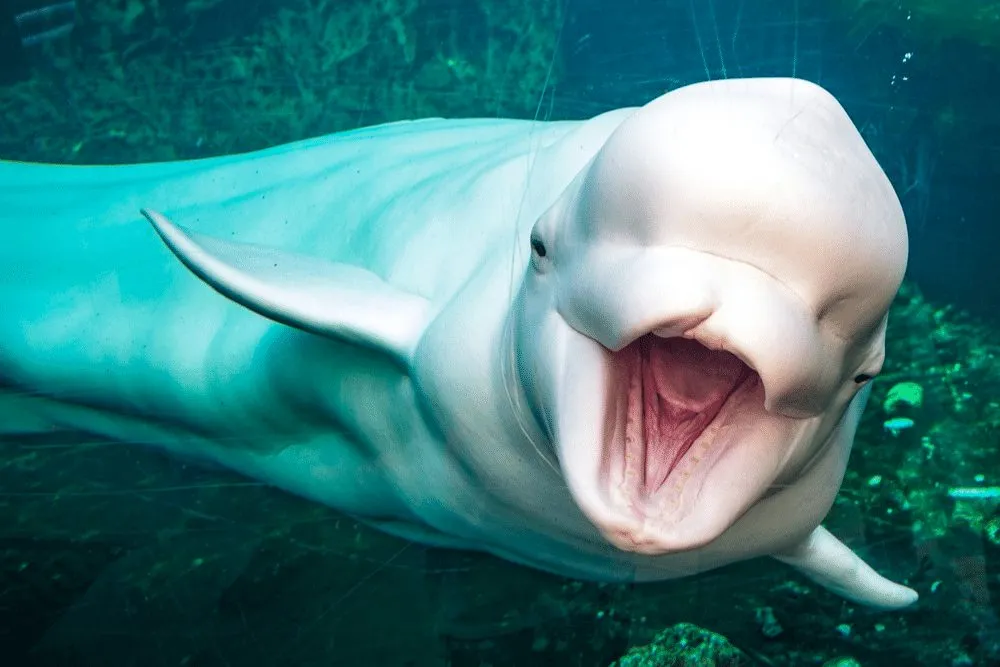
ranchosantafenow.net – Beluga whales, also known as Delphinapterus leucas, are fascinating marine mammals recognized for their distinctive white color and playful nature. Native to the Arctic and sub-Arctic regions, these charismatic creatures have captured the interest of scientists, conservationists, and marine enthusiasts alike. Here’s an in-depth look at the beluga whale and what makes it so unique.

Physical Characteristics

One of the most distinguishing features of the beluga whale is its white or pale gray skin, which helps it blend in with its icy surroundings. Unlike most whales, belugas lack a dorsal fin, an adaptation that allows them to move easily under ice sheets. They are relatively small compared to other whales, with adults measuring between 13 to 20 feet long and weighing around 2,000 to 3,000 pounds. Another unique feature is their bulbous forehead, known as a “melon,” which is flexible and aids in echolocation, allowing the whale to navigate and hunt in the dark waters.

Social Behavior and Communication

Beluga whales are highly social animals and are often seen in pods of up to 10 individuals, though during certain times, larger groups of several hundred may form. They are extremely vocal and have earned the nickname “sea canaries” because of their wide range of sounds, including whistles, clicks, and chirps. These vocalizations, along with body language, are essential for communication within the pod.

Habitat and Range

Belugas inhabit the cold waters of the Arctic Ocean and its surrounding seas. They are found in regions such as the Bering Sea, the Beaufort Sea, the Sea of Okhotsk, and parts of the Canadian Arctic Archipelago. During the summer, some beluga populations migrate to estuaries and river mouths, seeking warmer waters and abundant food. In winter, they return to the open ocean, often swimming beneath ice-covered waters.

Diet and Feeding Habits

Beluga whales have a diverse diet, primarily feeding on fish, crustaceans, and marine invertebrates. They are opportunistic feeders and use echolocation to locate prey in murky waters or under the ice. Unlike many whale species, belugas are capable of swimming backward, which is a useful trait when maneuvering in tight spaces or hunting in complex underwater environments.

Conservation Status

Beluga whales face several threats, including habitat loss due to climate change, pollution, and human activities such as shipping and oil exploration. In some regions, they are also hunted by indigenous communities for their meat and blubber, a practice that is regulated to ensure sustainability. The International Union for Conservation of Nature (IUCN) lists belugas as “Near Threatened,” with some populations in greater danger than others, particularly those in the St. Lawrence River and Cook Inlet, Alaska.

Cultural Significance

Beluga whales hold significant cultural importance for many Arctic indigenous communities. For centuries, these communities have relied on belugas for food, clothing, and tools. The whale’s adaptability and survival in harsh environments are qualities admired by these cultures, and beluga hunting is often steeped in tradition.

Conclusion

The beluga whale is a remarkable species, admired for its adaptability, intelligence, and social nature. However, the changing environment and human activities present growing challenges for their survival. Conservation efforts are crucial to ensuring that future generations can continue to witness the beauty and wonder of these “canaries of the sea.” By protecting their habitats and mitigating the impact of climate change, we can help secure a future for the beluga whale.

The Gharial: A Endangered Jewel of the Indian Subcontinent

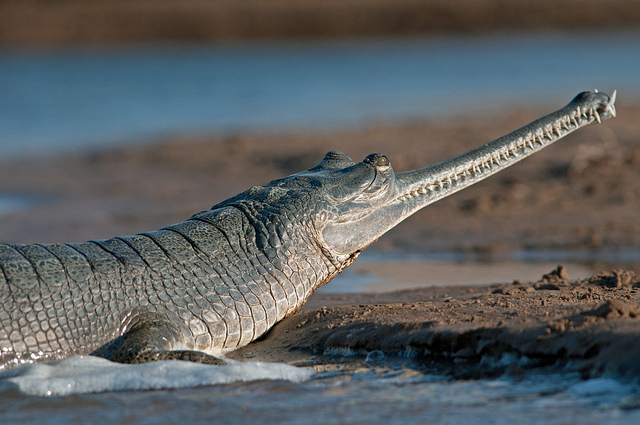
ranchosantafenow.net – The gharial (Gavialis gangeticus), also known as the gavial or fish-eating crocodile, is one of the most distinctive and endangered crocodilians on Earth. This remarkable creature is instantly recognizable by its long, slender snout, which is lined with sharp, interlocking teeth. This unique adaptation allows the gharial to efficiently capture its primary prey: fish.   

Physical Characteristics

Gharials are among the largest living crocodilians, with adult males reaching lengths of up to 20 feet (6 meters). Females are typically smaller, growing to about 15 feet (4.5 meters). The most striking feature of the gharial is its elongated snout, which is much narrower than that of other crocodilian species. This specialized snout is perfectly suited for catching fish, as it allows the gharial to quickly and precisely strike at its prey.   

Another distinctive characteristic of gharials is the presence of a bulbous growth, known as a “ghara,” on the tip of the snout of adult males. This ghara is thought to play a role in courtship and territorial displays.   

Habitat and Distribution

Historically, gharials were widely distributed throughout the river systems of India, Nepal, Bangladesh, Pakistan, and Myanmar. However, due to habitat loss, pollution, and overexploitation, their range has dramatically declined. Today, gharials are restricted to a few fragmented populations in India and Nepal.   

Gharials are highly aquatic and prefer to inhabit large, deep rivers with strong currents. They are often found basking on sandbanks or submerged in deep pools. These rivers provide them with ample opportunities to hunt fish, their primary food source.   

Conservation Status and Threats

The gharial is currently classified as Critically Endangered by the International Union for Conservation of Nature (IUCN). Several factors have contributed to the decline of this species:   

  • Habitat Loss: The construction of dams, irrigation canals, and other infrastructure projects has fragmented gharial habitats and reduced the availability of suitable nesting sites.   
  • Pollution: Industrial and agricultural pollution has degraded water quality in many rivers, harming gharials and their prey.   
  • Overexploitation: Gharials have been hunted for their skin, meat, and teeth.   
  • Accidental Capture: Gharials are often accidentally caught in fishing nets and traps.   

Conservation Efforts

Recognizing the critical threat to the gharial, conservation efforts have been implemented to protect this species. These efforts include:   

  • Habitat Protection: Establishing protected areas and wildlife sanctuaries to safeguard gharial habitats.
  • Captive Breeding Programs: Breeding gharials in captivity to increase their population and reintroduce them into the wild.   
  • Community-Based Conservation: Engaging local communities in conservation efforts to reduce human-wildlife conflict and promote sustainable practices.   
  • Monitoring and Research: Conducting regular surveys and research to assess gharial populations and identify threats.

A Hope for the Future

Despite the challenges faced by the gharial, there is hope for the future of this iconic species. Through concerted conservation efforts, it is possible to restore gharial populations and ensure their survival for generations to come. By protecting the gharial, we are not only safeguarding a unique and fascinating creature but also preserving the ecological balance of the Indian subcontinent’s river systems.

Tadpoles: Aquatic Beginnings of a Remarkable Transformation

ranchosantafenow.net – Tadpoles are the larval stage of frogs and toads (collectively known as anurans). These aquatic creatures represent the first phase of a complex life cycle involving metamorphosis, a dramatic transformation that prepares them for a terrestrial or semi-aquatic adult life. Tadpoles are fascinating in their own right, exhibiting a range of adaptations for aquatic existence.   

What is a Tadpole? Defining the Larval Stage

A tadpole is the aquatic larva of an anuran. They are distinctly different in appearance from adult frogs or toads, possessing several key characteristics:   

  • Oval or Elongated Body: Tadpoles typically have an oval or elongated body shape, streamlined for swimming.   
  • Tail: A prominent tail is the primary means of propulsion in the water. The tail is usually flattened laterally (side to side).   
  • External Gills (Early Stages): In the early stages of development, tadpoles have external gills for breathing underwater. These gills are often feathery in appearance.
  • Internal Gills (Later Stages): As they develop, the external gills are typically replaced by internal gills, which are protected by a flap of skin called the operculum.   
  • Mouth and Beak: Tadpoles have a specialized mouth with horny beak-like structures used for scraping algae and other food from surfaces.   
  • Lack of Limbs (Initially): Initially, tadpoles lack limbs. Hind limbs develop first, followed by front limbs.   

The Tadpole Life Cycle: From Egg to Metamorphosis

The tadpole stage is part of a larger life cycle that includes:

  • Egg: Anuran eggs are laid in water, often in gelatinous masses known as spawn.   
  • Hatching: Tadpoles hatch from the eggs and begin their aquatic life.   
  • Growth and Development: Tadpoles undergo a period of growth and development, during which they increase in size and develop various anatomical features.   
  • Metamorphosis: Metamorphosis is the dramatic transformation from tadpole to froglet (young frog). This process involves significant changes in anatomy, physiology, and behavior.   

Tadpole Habitats: Thriving in Aquatic Environments

Tadpoles are found in a variety of aquatic habitats:

  • Ponds and Lakes: These still-water environments provide ideal habitat for many tadpole species.
  • Streams and Rivers: Some tadpole species are adapted to flowing water environments.   
  • Temporary Pools and Wetlands: These ephemeral habitats can also support tadpole development.

Tadpole Diet: Primarily Herbivores

Most tadpoles are primarily herbivorous, feeding on:

  • Algae: Algae are a major food source for many tadpole species.   
  • Plant Matter: They also consume other aquatic plants and decaying organic matter.
  • Filter Feeding: Some tadpole species are filter feeders, straining small particles from the water.   
  • Carnivorous Tadpoles: Some species are carnivorous, feeding on insects, other tadpoles, or even small fish.

Tadpole Behavior: Adaptations for Aquatic Life

Tadpoles exhibit various behaviors adapted to their aquatic existence:

  • Swimming: They use their tails for propulsion, moving through the water with undulating movements.   
  • Grazing: They use their specialized mouths to scrape algae and other food from surfaces.   
  • Schooling: Some tadpole species form schools, which may provide protection from predators.   
  • Camouflage: Many tadpoles have coloration and patterns that help them blend in with their surroundings.

Predators and Defense Mechanisms: Surviving in a Predatory World

Tadpoles are preyed upon by a variety of aquatic animals:

  • Fish: Many fish species prey on tadpoles.   
  • Aquatic Insects: Predaceous insects such as dragonfly nymphs and water beetles also consume tadpoles.   
  • Birds: Some birds that forage in shallow water may prey on tadpoles.   
  • Other Amphibians: Larger frogs or newts may prey on tadpoles.   

Tadpoles have several defense mechanisms to avoid predation:

  • Camouflage: Blending in with their surroundings helps them avoid detection.
  • Rapid Escape: They can quickly swim away from predators.
  • Toxins: Some tadpole species produce toxins in their skin that make them unpalatable to predators.   

Ecological Importance: A Vital Link in the Food Chain

Tadpoles play an important role in aquatic ecosystems:

  • Food Source: They serve as a food source for a variety of predators.   
  • Nutrient Cycling: They contribute to nutrient cycling in aquatic environments.
  • Algae Control: Herbivorous tadpoles can help control algae growth.   

Threats to Tadpoles: Vulnerability to Environmental Changes

Tadpoles are susceptible to a variety of environmental threats:

  • Habitat Loss and Degradation: Pollution, drainage of wetlands, and other habitat alterations can negatively impact tadpole populations.   
  • Pollution: Pesticides, herbicides, and other pollutants can be toxic to tadpoles.   
  • Disease: Diseases such as chytridiomycosis can affect tadpole survival.  
  • Climate Change: Changes in temperature and precipitation patterns can affect tadpole development and survival.   

Conclusion: Essential Beginnings for Amphibian Life

Tadpoles are a fascinating and essential part of the anuran life cycle. These aquatic larvae exhibit a range of adaptations for their unique environment and play a crucial role in aquatic ecosystems. Understanding the challenges they face is crucial for amphibian conservation and the health of our planet’s biodiversity.

Foxes in the Wild: A Journey Through Nature

ranchosantafenow.net – Foxes are among nature’s most intriguing and adaptable creatures. Found across various continents, these mammals have captured the imagination of humans for centuries. From their cunning behavior to their striking appearance, foxes play a vital role in their ecosystems and serve as a symbol of wilderness and intelligence.

The Diversity of Foxes

Foxes belong to the Canidae family, which also includes wolves, dogs, and other similar animals. There are over 30 species of foxes, but the most common and well-known is the red fox (Vulpes vulpes). Other notable species include the Arctic fox, fennec fox, and the gray fox, each adapted to their unique environments, from the icy tundras to the arid deserts.

Habitats and Adaptations

Foxes are highly adaptable animals, capable of thriving in diverse environments including forests, grasslands, mountains, and even urban areas. Their adaptability is due in part to their varied diet, which includes small mammals, birds, insects, fruits, and even human leftovers. This omnivorous diet allows them to survive in different conditions where other predators might struggle.

Behavior and Social Structure

Foxes are generally solitary animals, though they may form small family groups, especially during the breeding season. They communicate using a range of vocalizations, facial expressions, and body language. Foxes are known for their intelligence and cunning, often employing elaborate hunting techniques and problem-solving skills to catch their prey.

The Role of Foxes in Ecosystems

Foxes play a crucial role as mesopredators in their ecosystems, helping to control the populations of small mammals and insects. This predation can help prevent overpopulation and the spread of diseases among these species. Moreover, foxes contribute to seed dispersal through their consumption of fruits, aiding in plant reproduction and forest regeneration.

Human Interaction and Conservation

Throughout history, foxes have been both revered and reviled by humans. In folklore, they are often depicted as cunning tricksters. However, in reality, human activities such as habitat destruction, hunting, and urban development pose significant threats to fox populations. Conservation efforts are essential to ensure the survival of these fascinating creatures, focusing on habitat protection and sustainable coexistence.

Conclusion

Foxes are a testament to nature’s resilience and adaptability. Their presence in the wild is a reminder of the delicate balance within ecosystems and the importance of preserving our natural world. By understanding and appreciating foxes, we can foster a deeper connection with nature and work towards a future where both humans and wildlife thrive.

Caring for the World’s Smallest Canines: Teacup Dogs

ranchosantafenow.net – Teacup dogs, with their tiny stature and big personalities, have captured the hearts of many. These miniature versions of popular breeds like Chihuahuas, Pomeranians, and Yorkies are known for their adorable size and playful nature. However, owning a teacup dog comes with unique responsibilities and challenges. This article will delve into the world of teacup dogs, exploring how to care for these tiny canines to ensure they lead happy and healthy lives.

Understanding Teacup Dogs

Teacup dogs are not a breed but rather a term used to describe dogs that are significantly smaller than the standard size for their breed. They are often the result of selective breeding to achieve the smallest possible size. While they may be small, teacup dogs have the same needs as their larger counterparts, albeit with some adjustments due to their size.

Special Care Requirements

Nutrition

Proper nutrition is crucial for teacup dogs, as they have high energy needs despite their small size. High-quality, nutrient-dense food formulated for small breeds is essential. It’s also important to monitor their calorie intake to prevent obesity, which can be particularly harmful to these tiny dogs.

Exercise

While teacup dogs may not require as much exercise as larger breeds, they still need regular physical activity to stay healthy. Short, frequent walks and play sessions are ideal. It’s also important to provide mental stimulation through toys and training to keep them engaged and prevent boredom.

Health Concerns

Teacup dogs are prone to certain health issues due to their small size. These can include respiratory problems, dental issues, and a higher risk of injury. Regular veterinary check-ups are essential to catch and address any health concerns early. Owners should also be prepared for the potential need for more frequent veterinary visits and possibly higher medical expenses.

Safety

Due to their small size, teacup dogs are more vulnerable to injury. Owners must take extra precautions to keep them safe. This includes creating a safe environment free from hazards, such as small objects they could choke on, and always supervising interactions with children and other pets.

The Emotional Connection

Teacup dogs, with their endearing size and personalities, can form deep bonds with their owners. They thrive on companionship and can be very affectionate. It’s important for owners to understand the emotional needs of these tiny canines and to provide them with plenty of love and attention.

Conclusion

Caring for a teacup dog requires dedication, patience, and a willingness to meet their unique needs. While they may present some challenges, the joy and companionship they bring can be incredibly rewarding. By understanding their specific requirements and providing them with the proper care, owners can ensure that their teacup dogs live long, happy, and healthy lives. Whether you’re already a proud owner of a teacup dog or considering bringing one into your home, remember that these tiny canines deserve all the love and attention you can give.

The Brief Resurrection and Final Farewell: Pyrenean Ibex

ranchosantafenow.net – The story of the Pyrenean Ibex, a species of wild goat that once roamed the Pyrenees mountains of Europe, is a tale of extinction, resurrection, and loss that encapsulates the complexities of conservation biology and the ethical dilemmas surrounding de-extinction. This article delves into the brief resurrection of the Pyrenean Ibex and its final farewell, highlighting the scientific breakthroughs, the challenges faced, and the lessons learned.

The Extinction of the Pyrenean Ibex

The Pyrenean Ibex, or Capra pyrenaica pyrenaica, was a subspecies of the Spanish Ibex that became extinct in the wild in the early 20th century due to habitat loss, hunting, and competition with domestic livestock. The last known individual, a female named Célia, died in January 2000 in the Ordesa y Monte Perdido National Park in Spain. This marked the first time in over 500 years that the species was not present in the Pyrenees.

The Resurrection Attempt

In an unprecedented scientific endeavor, a team of Spanish researchers, led by the Aragonese government and the Spanish National Parks Organization, attempted to bring the Pyrenean Ibex back from extinction. Using frozen tissue samples from Célia, the team cloned the ibex in an effort to reintroduce the species into its natural habitat.

The Birth and Death of the Cloned Ibex

On July 30, 2003, a female goat gave birth to a cloned Pyrenean Ibex. This was a monumental achievement in the field of cloning and conservation, marking the first time an extinct species had been brought back to life. However, the joy was short-lived. The cloned ibex died just seven minutes after birth due to physical defects in its lungs.

The Ethical and Scientific Implications

The brief resurrection of the Pyrenean Ibex raised numerous ethical and scientific questions. Critics argued that the resources used for the cloning project could have been better spent on conserving existing endangered species. Supporters, on the other hand, saw it as a step towards understanding the potential of de-extinction in preserving biodiversity.

The Final Farewell

Despite the initial success of cloning, the project was not pursued further, and the Pyrenean Ibex remained extinct. The failure to bring the species back highlighted the complexities and limitations of de-extinction technology. It also served as a reminder of the importance of proactive conservation efforts to prevent species from reaching the brink of extinction in the first place.

Conclusion

The story of the Pyrenean Ibex is a poignant reminder of the fragility of life on Earth and the responsibility humans have towards the natural world. While science has the potential to achieve remarkable feats, it also underscores the need for ethical considerations and the importance of conservation efforts to protect the planet’s biodiversity for future generations. The Pyrenean Ibex may be gone, but its legacy lives on, inspiring both caution and hope in the ongoing quest to preserve the natural world.

A Fascinating Journey: The World of Goldfish

Goldfish, with their vibrant colors and graceful movements, have captivated human hearts for centuries. Originating from East Asia, these freshwater fish have evolved from the common carp into the diverse and beautiful creatures we know today. This article delves into the history, varieties, care, and significance of goldfish, showcasing why they remain one of the most popular aquatic pets worldwide.

Origins and Evolution

The history of goldfish dates back over a thousand years to China, where selective breeding of the common carp (Cyprinus carpio) began. The earliest records suggest that goldfish were kept in ponds by Chinese aristocrats as early as the 10th century. These early goldfish were far from the ornamental fish we know today; they were likely a dull grey or silver color.

It wasn’t until the Song Dynasty (960-1279 AD) that goldfish with yellow and red coloration began to appear. The selective breeding process continued, and by the Ming Dynasty (1368-1644 AD), goldfish had become a symbol of wealth and were being bred for their aesthetic qualities.

Goldfish were introduced to Japan in the 16th century and to Europe in the 17th century, where selective breeding further diversified their varieties. Today, goldfish are found in homes, ponds, and aquariums across the globe, celebrated for their beauty and symbolism.

Varieties of Goldfish

Goldfish come in a stunning array of varieties, each with unique characteristics and colors. Some of the most popular types include:

  • Comet: Known for their long, flowing tails and active swimming, comets are a favorite for outdoor ponds.
  • Fantail: Recognizable by their short bodies and forked tails, fantails are one of the oldest goldfish breeds.
  • Ryukin: Similar to fantails but with a deeper body and higher back, ryukins have a distinctive egg-shaped body.
  • Bubble Eye: Characterized by the large fluid-filled sacs under their eyes, bubble eyes are among the most unique and delicate goldfish breeds.
  • Oranda: Orandas are distinguished by the prominent “hood” or wen on their heads, which is a thick, fleshy growth.

The variety in goldfish extends to their coloration, with shades ranging from solid oranges and whites to more exotic combinations like calico and metallic blues and purples.

Care and Keeping

Despite their popularity, goldfish are often misunderstood in terms of care. They are not the simple, low-maintenance pets some might believe. Goldfish can live for over a decade with proper care, growing up to 12 inches in the right conditions.

A key aspect of goldfish care is providing an adequate living space. For fancy varieties, a 20-gallon tank is a good starting point, with an additional 10-20 gallons for each additional fancy goldfish. Single-tailed varieties like comets require even more space and are better suited for ponds due to their active nature and potential size.

Water quality is paramount for goldfish health. Regular water changes, proper filtration, and maintaining the right temperature (between 68-74°F or 20-23°C) are essential. Goldfish are also sensitive to sudden changes in water chemistry, making it important to acclimate them slowly to new environments.

Diet is another critical aspect of goldfish care. A balanced diet of commercial goldfish pellets or flakes, supplemented with fresh vegetables and occasional treats like brine shrimp or bloodworms, helps keep goldfish healthy.

Symbolism and Significance

Beyond their beauty and companionship, goldfish hold symbolic significance in various cultures. In Chinese culture, goldfish symbolize wealth and good fortune, often given as gifts during the Chinese New Year. In Japan, goldfish are associated with courage and strength, featuring prominently in festivals and art.

Conclusion

Goldfish are more than just pets; they are living art, a testament to centuries of selective breeding and human fascination with beauty and nature. Their care requires knowledge and commitment, but the joy and beauty they bring to our lives make it a worthwhile endeavor. Whether swimming gracefully in a pond or an aquarium, goldfish continue to enchant us with their elegance and diversity.

A Symbol of the Wilderness: The Wolf

In the vast expanse of the natural world, few creatures embody the essence of the wilderness as powerfully as the wolf. With its piercing eyes, majestic howl, and unyielding spirit, the wolf has long been revered as a symbol of the wild, untamed beauty of nature. This article delves into the significance of the wolf as an emblem of the wilderness, exploring its ecological role, cultural impact, and the lessons it teaches us about our place in the natural world.

Ecological Role:
The wolf plays a crucial role in maintaining the balance of ecosystems. As a keystone species, its presence can affect the landscape and biodiversity of an entire region. Wolves are apex predators, which means they sit at the top of the food chain with no natural predators of their own. By preying on herbivores such as deer and elk, wolves help to control their populations, preventing overgrazing that can lead to habitat destruction and the loss of biodiversity.

Moreover, the fear that wolves instill in their prey can have a ‘landscaping’ effect on the environment. Herbivores tend to avoid areas where they feel vulnerable to predation, which allows for the regeneration of vegetation in those areas. This, in turn, benefits a wide range of other species, from birds and insects to smaller mammals. The presence of wolves can thus create a mosaic of habitats that support a diverse array of life forms.

Cultural Impact:
Throughout history, the wolf has been a prominent figure in the myths, legends, and folklore of cultures around the world. In many indigenous traditions, the wolf is revered as a teacher and guide, symbolizing strength, loyalty, and the kinship between humans and the natural world. For example, in Native American cultures, the wolf is often associated with wisdom and the spirit of winter, representing the importance of community and the bonds that help us survive the harshest conditions.

In European folklore, the wolf has been portrayed with a mix of fear and respect. It is both the cunning trickster and the noble guardian of the forest. The werewolf legends, which speak of humans transforming into wolves, reflect our deep-seated fascination with and fear of the wildness within ourselves and the natural world.

The wolf’s duality as both a feared predator and a revered symbol of the wilderness underscores the complex relationship between humans and the natural world. It serves as a reminder of the wild that exists beyond the boundaries of human civilization, challenging us to reconsider our place in the ecosystem.

Lessons from the Wolf:
The wolf teaches us valuable lessons about survival, adaptation, and the importance of community. Wolves are highly social animals, living in packs that function as extended families. They demonstrate a remarkable level of cooperation and communication, working together to hunt, raise their young, and defend their territory. This social structure highlights the strength that comes from unity and the importance of looking out for one another.

Furthermore, the wolf’s resilience in the face of human encroachment and persecution offers a powerful message of perseverance. Despite being hunted and driven to the brink of extinction in many parts of the world, wolves have shown a remarkable ability to recover and reclaim their place in the wilderness. Their story is a testament to the enduring spirit of the wild and the potential for species to rebound when given the chance.

Conclusion:
The wolf stands as a timeless symbol of the wilderness, embodying the raw, untamed beauty of nature. Its ecological role as a keystone species, its rich cultural significance, and the lessons it imparts about community and resilience remind us of the intricate web of life that sustains us all. As we continue to navigate the challenges of conservation and coexistence with wildlife, the wolf calls us to honor the wildness that connects us to the earth and to each other. In protecting the wolf and its habitat, we protect not just a single species, but the very essence of the wilderness that inspires awe, respect, and a sense of wonder in the human heart.