Reflecting the State’s Ideology: Art & Literature of North Korea

ranchosantafenow.net – The art and literature of North Korea serve as powerful tools for the state to disseminate its ideology and maintain control over its citizens. Unlike in many other countries, where these forms of expression can be diverse and reflect a wide range of personal and societal issues, North Korean art and literature are tightly controlled by the government and are used to reinforce the official narrative.

The Role of Propaganda in North Korean Art

North Korean art is heavily influenced by the state’s propaganda machine. It is used to glorify the country’s leaders, the Kim dynasty, and to instill a sense of loyalty and patriotism among the populace. Paintings, sculptures, and other visual arts often depict heroic scenes from the country’s history, the benevolence of its leaders, and the strength of the North Korean people.

Literature as a Tool for Ideological Indoctrination

Literature in North Korea is another means through which the state’s ideology is propagated. Novels, poetry, and other written works are carefully crafted to align with the government’s message. They often feature themes of sacrifice, devotion to the state, and the superiority of the North Korean system. Authors are expected to adhere to strict guidelines, and their works are subject to censorship to ensure they do not deviate from the approved narrative.

The Impact of Isolation on North Korean Art and Literature

North Korea’s isolation from much of the international community has had a significant impact on its art and literature. With limited exposure to foreign influences, the country’s cultural output remains relatively homogenous and focused on domestic themes. However, this isolation also means that the art and literature of North Korea offer a unique glimpse into the state’s efforts to shape the collective mindset of its people.

The Future of North Korean Art and Literature

As the world becomes increasingly interconnected, it remains to be seen how North Korean art and literature will evolve. While the state’s control over these forms of expression is unlikely to wane in the near future, there may be subtle shifts in themes and styles as the country navigates its complex relationship with the rest of the world.

Conclusion

The art and literature of North Korea are integral components of the state’s ideological apparatus. Through these mediums, the government exerts its influence, shaping the perceptions and beliefs of its citizens. As such, they offer a window into the mechanisms of control and the values that the North Korean regime seeks to instill in its people. Understanding the role of art and literature in North Korea is crucial for gaining insight into the country’s political and social landscape.
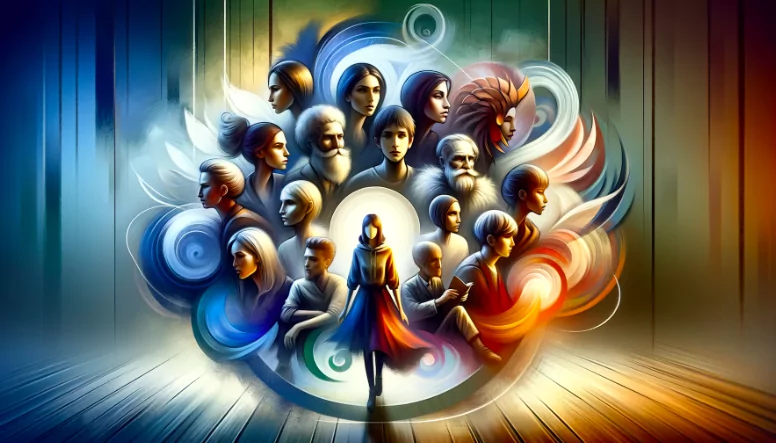
The Art of Character Development in Novels: Characters Come to Life

In the realm of literature, characters are the heart and soul of a story. They are the vessels through which readers experience the narrative, the conflicts, and the emotional journey. The art of character development is what transforms a mere cast of characters into a vibrant, living world that readers can immerse themselves in. This article delves into the intricacies of character development in novels, exploring the techniques and considerations that bring characters to life on the page.

The Foundation: Creating a Believable Backstory

Character development begins with a solid foundation: a believable backstory. A character’s history shapes their personality, motivations, and behaviors. Writers must craft a backstory that is not only consistent with the character’s actions but also compelling enough to draw readers in. This involves weaving in details about the character’s family, education, past traumas, and triumphs, all of which contribute to their complexity and depth.

The Layers: Complexity and Contradiction

One of the hallmarks of well-developed characters is their complexity. Characters should not be one-dimensional; they should possess a mix of strengths and flaws, virtues and vices. This complexity is what makes characters relatable and engaging. Readers should be able to see the shades of gray in a character, understanding that they are capable of both noble deeds and questionable choices.

Contradiction within a character can also add depth. For instance, a character might be fiercely independent yet deeply afraid of loneliness, or they might be outwardly confident while harboring profound insecurities. These contradictions make characters more human and, therefore, more compelling.

The Evolution: Character Arc

A character arc is the transformation or journey a character undergoes throughout the story. A well-crafted character arc involves growth, change, or revelation. This evolution should be gradual and believable, driven by the character’s experiences and the conflicts they face. The character arc is crucial because it provides a sense of progression and resolution, not only for the character but also for the reader.

The Dialogue: Voice and Expression

The way something is said can be just as important as what is said. Dialogue is a powerful tool for character development because it reveals a character’s personality, intelligence, background, and intent. Each character should have a unique voice that reflects their individuality. This voice should be consistent yet flexible enough to show growth or change as the character evolves.

The Interaction: Relationships and Conflicts

Characters do not exist in a vacuum; they interact with other characters, and these interactions are critical for development. Relationships, whether they are friendships, rivalries, or romances, reveal different facets of a character’s personality. Conflicts, both internal and external, challenge characters and force them to grow or adapt. These interactions and conflicts are the crucible in which characters are tested and developed.

The Detail: Physical and Emotional Descriptions

Finally, the art of character development involves paying attention to the details. This includes physical descriptions that help readers visualize the character and emotional descriptions that allow readers to empathize with them. However, the key is to balance these descriptions, providing enough detail to make the character vivid without overwhelming the reader with minutiae.

Conclusion

The art of character development is a complex and nuanced process that involves creating a believable backstory, adding layers of complexity and contradiction, crafting a compelling character arc, giving characters a unique voice, exploring their interactions and conflicts, and paying attention to the details of their physical and emotional lives. When done skillfully, character development can transform a story from a mere sequence of events into a rich, immersive experience that resonates with readers long after they’ve turned the last page. It is through this art that characters come to life, stepping off the page and into the hearts and minds of readers.