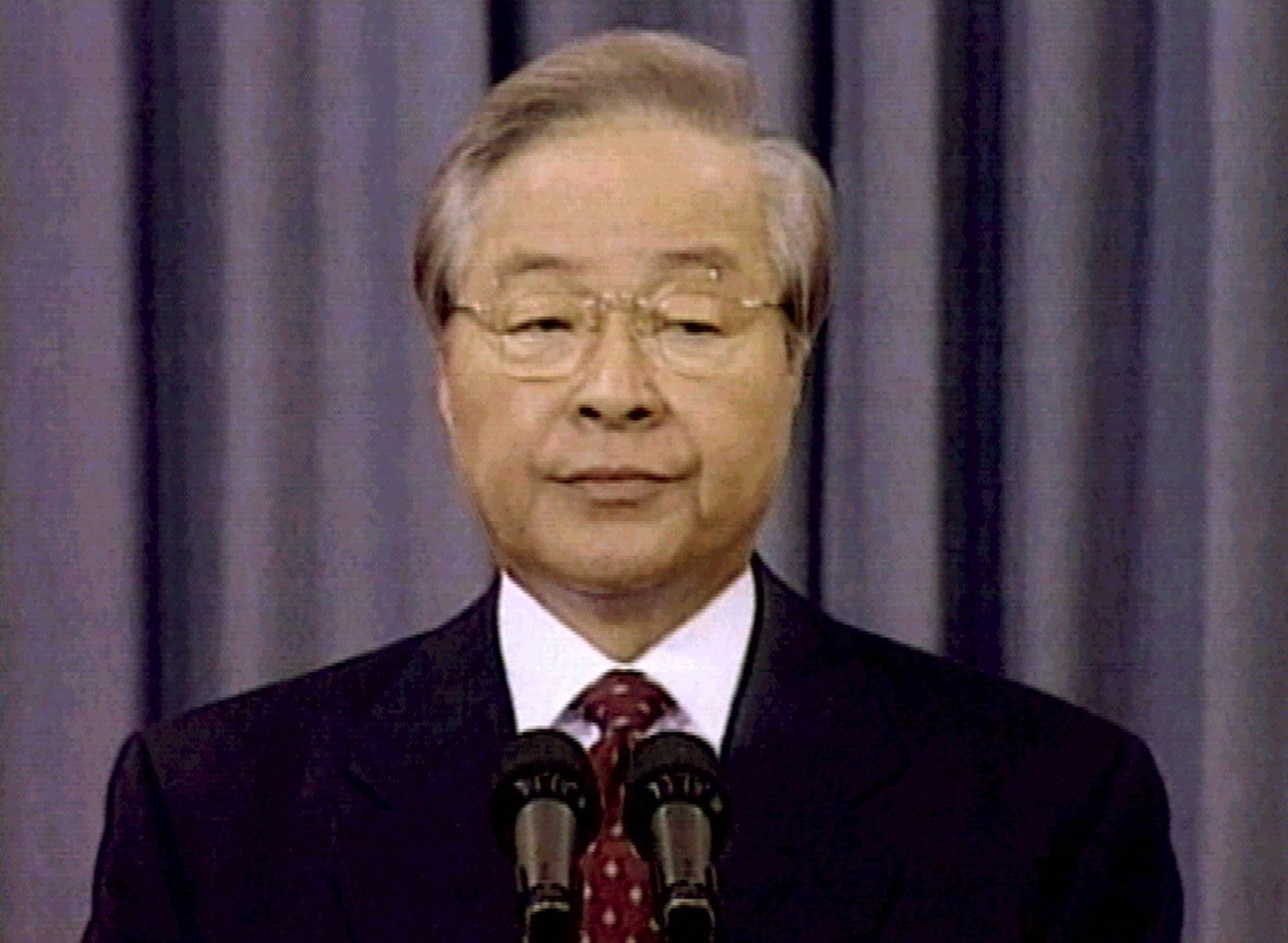
ranchosantafenow.net – Kim Young-sam, who served as the President of South Korea from 1993 to 1998, was a defining figure in the nation’s journey towards full democracy and modernity. Elected as the first civilian president since the 1960s, Kim’s tenure marked a shift away from military rule and authoritarian leadership. His presidency was characterized by bold democratic reforms, efforts to modernize the economy, and the ambitious goal of rooting out corruption. However, his time in office was also marked by economic turmoil, including South Korea’s devastating financial crisis in 1997, which would challenge his legacy and shape the country’s future.
Early Life and Political Career
Kim Young-sam was born on December 20, 1927, in the city of Geoje, located in South Korea’s southern province of Gyeongsangnam-do. He came from a well-respected family and was raised during a period of intense political and social change in Korea. After the Korean War, Kim studied at prestigious institutions, ultimately earning a degree from the National Seoul University. He began his political career in the 1950s as a member of the Democratic Party and quickly rose through the ranks.
Throughout the 1960s and 1970s, Kim became an outspoken critic of the military regimes that dominated South Korea’s politics. His opposition to the authoritarian rule of President Park Chung-hee led to his frequent imprisonment, but he continued to advocate for democracy and reform. As a leader of the opposition, Kim became a prominent figure in the struggle for civil rights and political freedoms in South Korea.
The Road to the Presidency: A Symbol of Democracy
Kim Young-sam’s road to the presidency was long and fraught with political battles. His early attempts to become president were thwarted by the political influence of the military. However, by the early 1990s, South Korea’s political landscape had shifted in favor of civilian rule, as the country had moved from an era of authoritarianism to a more democratic political environment.
In 1992, after years of struggle, Kim was finally able to secure the presidency. He ran as the candidate for the Democratic Liberal Party (DLP), a position that was largely seen as the culmination of his long career in opposition. Kim’s victory was significant not just because of his long-standing advocacy for democracy, but also because he represented a break from the military-dominated politics that had held South Korea in its grip for decades.
Kim’s election was celebrated as the dawn of a new era for South Korea, a time when civilians could fully control the country’s political destiny. He was sworn in as the 14th president of South Korea on February 25, 1993.
Democratic Reforms and the Fight Against Corruption
As the first civilian president in over 30 years, Kim Young-sam sought to distinguish his administration with a commitment to democratic reforms and a clean break from the corruption and cronyism that had tainted previous governments. His focus on rooting out corruption was seen as a major part of his appeal and platform.
Kim launched a series of political reforms aimed at consolidating South Korea’s democracy. One of his first major acts was the introduction of a sweeping anti-corruption campaign, which sought to eliminate the powerful network of government officials and business leaders who had profited from ties to the military regime. He cracked down on “blood money” scandals and launched investigations into the wealth accumulated by former military rulers, including his predecessors Chun Doo-hwan and Roh Tae-woo.
Kim’s administration also pursued key electoral reforms, including the introduction of a public finance system for political parties to reduce the influence of illicit donations. Additionally, he worked to ensure the free and fair functioning of South Korea’s political parties, which had been plagued by factionalism and corruption in the past. Under Kim, South Korea made important strides in solidifying its democratic institutions.
Economic Reforms and Challenges
Kim Young-sam’s presidency was also marked by an emphasis on economic reforms aimed at modernizing South Korea’s economy. He sought to move away from the crony capitalism that had dominated the previous era, where family-owned conglomerates (chaebols) held significant sway over the economy. Kim’s government pushed for the deregulation of key industries and sought to introduce more transparency into business dealings.
One of his key initiatives was the introduction of financial and corporate sector reforms, which were intended to increase efficiency and accountability in South Korea’s rapidly growing economy. Kim sought to encourage foreign investment and integrate South Korea more fully into the global market. His administration also focused on strengthening the financial sector by modernizing banks and reducing their reliance on government-backed loans.
However, while Kim’s economic reforms were ambitious, his presidency also faced mounting challenges. Despite the push for modernization, South Korea’s economy faced significant hurdles. The rapid growth of the previous decades had left the country vulnerable to external economic shocks, and many of the chaebols, while modernized, still held too much influence over the economy.
By 1997, South Korea was beginning to show signs of economic instability, largely due to overleveraging, inefficiency, and uncompetitive business practices. This would eventually culminate in the Asian Financial Crisis.
The 1997 Asian Financial Crisis and Its Impact
In 1997, South Korea was hit by the Asian Financial Crisis, a major economic collapse that affected much of East Asia. The crisis exposed the deep vulnerabilities in South Korea’s economy, including the excessive foreign debt accumulated by large conglomerates and a lack of financial transparency. Kim Young-sam’s government faced intense criticism for its handling of the crisis, as the South Korean won collapsed, and the country was forced to seek a bailout from the International Monetary Fund (IMF).
The IMF bailout required South Korea to implement harsh austerity measures, including the restructuring of its banking sector, cuts to social welfare programs, and sweeping reforms of its industrial sectors. The economic hardship brought on by the crisis led to widespread public discontent and protests, and it tarnished Kim’s legacy. Despite the economic collapse, Kim’s government successfully implemented a number of necessary reforms, which would later contribute to South Korea’s recovery.
The Legacy of Kim Young-sam
Kim Young-sam’s presidency is a story of both achievement and challenge. On one hand, he played a critical role in South Korea’s transition to a fully functioning democracy. He eliminated military influence from the government, implemented reforms aimed at reducing corruption, and modernized the country’s economic structure. His presidency was also marked by greater openness in South Korea’s political culture, as opposition parties became more prominent, and the media enjoyed more freedom than ever before.
On the other hand, his presidency was not without its flaws. The economic crisis of 1997 overshadowed much of his administration’s accomplishments. The IMF bailout and subsequent austerity measures caused significant hardship for ordinary South Koreans, and the crisis severely damaged his political standing. His push for economic modernization also came with social costs, as many people lost their jobs, and unemployment rates surged.
Despite the difficult end to his presidency, Kim Young-sam remains a pivotal figure in South Korean history. He played a crucial role in transforming the country from an authoritarian regime to a functioning democracy, and his efforts at economic reform helped lay the groundwork for South Korea’s eventual recovery and rise as an economic powerhouse.
Conclusion: A Leader of Transformation and Resilience
Kim Young-sam’s presidency was a crucial turning point in South Korea’s history. His efforts to build a democratic system, root out corruption, and modernize the economy helped guide South Korea through a tumultuous period. While his legacy is complex, shaped by both the successes and failures of his presidency, Kim’s leadership marked the transition from military rule to civilian democracy and laid the foundation for South Korea’s continued growth into the 21st century. Today, Kim is remembered as a key architect of South Korea’s democratic and economic modernization, even if his time in office was marred by the challenges of navigating the Asian Financial Crisis.

