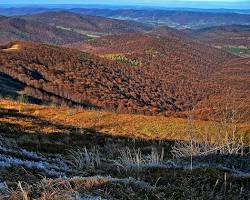
Bieszczady Mountains: A Wilderness Retreat

ranchosantafenow.net – The Bieszczady Mountains, a breathtaking range nestled in southeastern Poland, offer a unique blend of rugged beauty, pristine nature, and rich cultural heritage. Known for their wild, untamed character, these mountains have become a haven for nature lovers, hikers, and those seeking solace in the wilderness.   

A Geological Tapestry

The Bieszczady Mountains are part of the Carpathian mountain range, formed millions of years ago through complex geological processes. The region’s distinctive landscape, characterized by rolling hills, deep valleys, and majestic peaks, is a result of tectonic activity, erosion, and glaciation. The mountains are composed primarily of sandstone, shale, and conglomerate, which contribute to their unique geological formations and diverse ecosystems.  

A Biodiversity Hotspot

The Bieszczady Mountains are a true biodiversity hotspot, home to a rich variety of flora and fauna. The region’s pristine forests, alpine meadows, and wetlands provide ideal habitats for numerous species, including bears, wolves, lynx, deer, and wild boar. The mountains are also home to a diverse range of bird species, such as eagles, hawks, and owls.   

The forests of the Bieszczady are predominantly beech and fir, creating a dense, verdant canopy that shelters a myriad of life. The higher elevations are characterized by alpine meadows, where colorful wildflowers bloom in the summer months. These meadows, known as poloniny, are a distinctive feature of the Bieszczady landscape.   

A Cultural Tapestry

The Bieszczady Mountains have a rich cultural heritage, shaped by centuries of human settlement. The region was once home to a vibrant rural population, whose traditional way of life was closely tied to the land. The abandoned villages and wooden churches that dot the landscape are reminders of this bygone era.   

In recent decades, the Bieszczady have undergone a remarkable transformation. After years of overexploitation and depopulation, the region has been rewilding, allowing nature to reclaim its rightful place. The reintroduction of large mammals, such as the European bison, has further enriched the biodiversity of the region.  

A Paradise for Outdoor Enthusiasts

The Bieszczady Mountains offer a wealth of outdoor activities for nature lovers and adventure seekers. Hiking and trekking are popular pastimes, with numerous trails winding through the forests and over the peaks. The region is also a paradise for cyclists, mountain bikers, and horse riders. In winter, the mountains transform into a winter wonderland, perfect for skiing, snowboarding, and snowshoeing.

A Symbol of the Wilderness: The Wolf

In the vast expanse of the natural world, few creatures embody the essence of the wilderness as powerfully as the wolf. With its piercing eyes, majestic howl, and unyielding spirit, the wolf has long been revered as a symbol of the wild, untamed beauty of nature. This article delves into the significance of the wolf as an emblem of the wilderness, exploring its ecological role, cultural impact, and the lessons it teaches us about our place in the natural world.

Ecological Role:
The wolf plays a crucial role in maintaining the balance of ecosystems. As a keystone species, its presence can affect the landscape and biodiversity of an entire region. Wolves are apex predators, which means they sit at the top of the food chain with no natural predators of their own. By preying on herbivores such as deer and elk, wolves help to control their populations, preventing overgrazing that can lead to habitat destruction and the loss of biodiversity.

Moreover, the fear that wolves instill in their prey can have a ‘landscaping’ effect on the environment. Herbivores tend to avoid areas where they feel vulnerable to predation, which allows for the regeneration of vegetation in those areas. This, in turn, benefits a wide range of other species, from birds and insects to smaller mammals. The presence of wolves can thus create a mosaic of habitats that support a diverse array of life forms.

Cultural Impact:
Throughout history, the wolf has been a prominent figure in the myths, legends, and folklore of cultures around the world. In many indigenous traditions, the wolf is revered as a teacher and guide, symbolizing strength, loyalty, and the kinship between humans and the natural world. For example, in Native American cultures, the wolf is often associated with wisdom and the spirit of winter, representing the importance of community and the bonds that help us survive the harshest conditions.

In European folklore, the wolf has been portrayed with a mix of fear and respect. It is both the cunning trickster and the noble guardian of the forest. The werewolf legends, which speak of humans transforming into wolves, reflect our deep-seated fascination with and fear of the wildness within ourselves and the natural world.

The wolf’s duality as both a feared predator and a revered symbol of the wilderness underscores the complex relationship between humans and the natural world. It serves as a reminder of the wild that exists beyond the boundaries of human civilization, challenging us to reconsider our place in the ecosystem.

Lessons from the Wolf:
The wolf teaches us valuable lessons about survival, adaptation, and the importance of community. Wolves are highly social animals, living in packs that function as extended families. They demonstrate a remarkable level of cooperation and communication, working together to hunt, raise their young, and defend their territory. This social structure highlights the strength that comes from unity and the importance of looking out for one another.

Furthermore, the wolf’s resilience in the face of human encroachment and persecution offers a powerful message of perseverance. Despite being hunted and driven to the brink of extinction in many parts of the world, wolves have shown a remarkable ability to recover and reclaim their place in the wilderness. Their story is a testament to the enduring spirit of the wild and the potential for species to rebound when given the chance.

Conclusion:
The wolf stands as a timeless symbol of the wilderness, embodying the raw, untamed beauty of nature. Its ecological role as a keystone species, its rich cultural significance, and the lessons it imparts about community and resilience remind us of the intricate web of life that sustains us all. As we continue to navigate the challenges of conservation and coexistence with wildlife, the wolf calls us to honor the wildness that connects us to the earth and to each other. In protecting the wolf and its habitat, we protect not just a single species, but the very essence of the wilderness that inspires awe, respect, and a sense of wonder in the human heart.