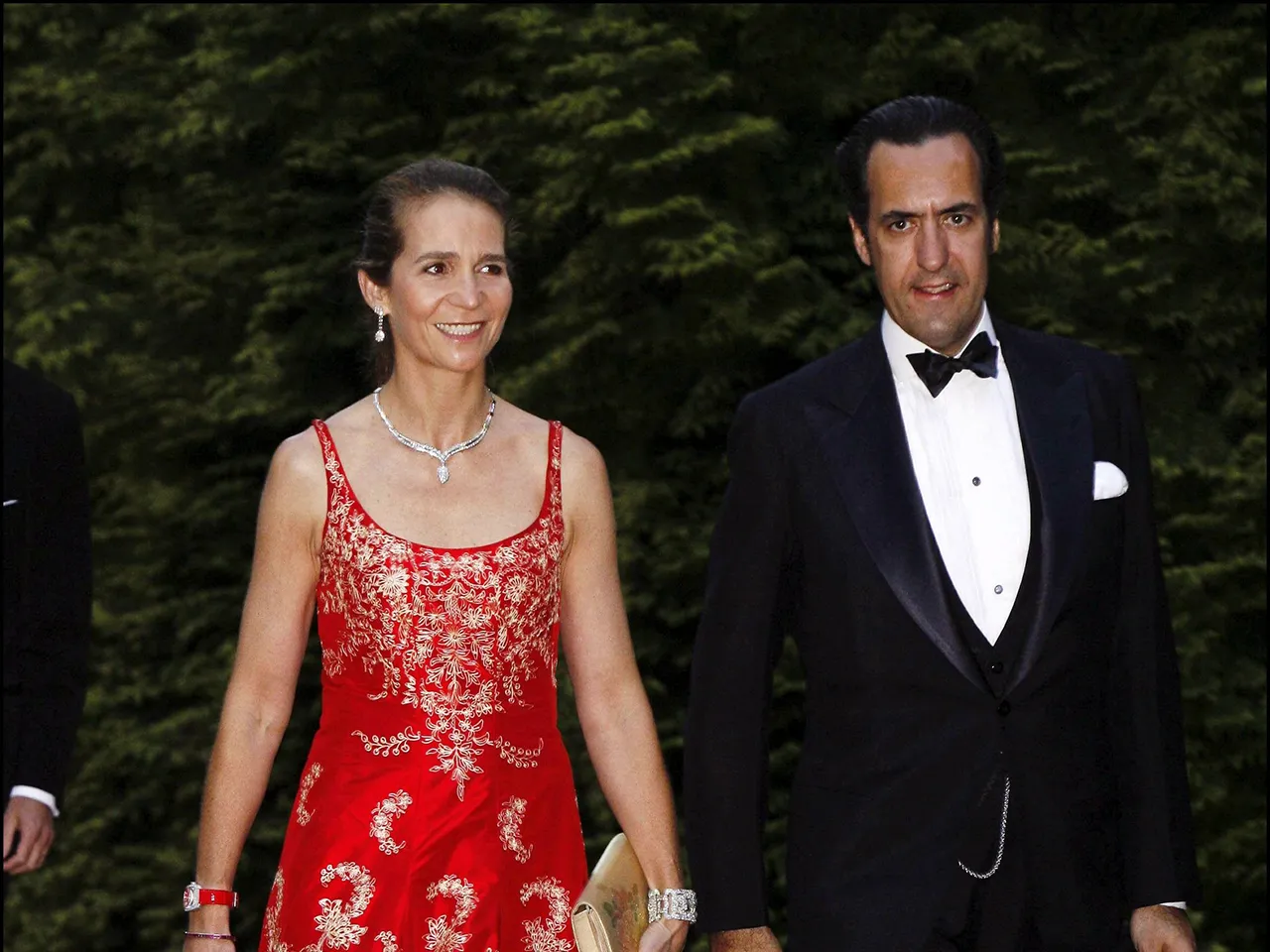
Infanta Elena of Spain: A Life of Royal Service

ranchosantafenow.net – Infanta Elena of Spain, full name Elena de Borbón y Grecia, was born on December 20, 1963, in Madrid. She is the elder sister of King Felipe VI and the first daughter of King Juan Carlos I and Queen Sofía of Spain. Throughout her life, Infanta Elena has played an important role in the Spanish royal family, balancing her royal duties with a more independent and public persona compared to other members of the royal household. Known for her strong sense of duty and active involvement in various charitable and social causes, Infanta Elena remains a respected figure in Spain.

Early Life and Education

Infanta Elena was born into the Spanish royal family during a pivotal time in the country’s history. As the first-born child of King Juan Carlos I and Queen Sofía, she was always regarded with great importance within the royal family. Her early years were spent in the royal palaces of Madrid, where she was educated alongside her younger brother, King Felipe VI, and younger sister, Infanta Cristina.

Infanta Elena’s academic journey included attending private schools in Spain, where she received a well-rounded education. She later attended the University of Madrid, earning a degree in History of Art, which would shape her later involvement in cultural and philanthropic projects. Fluent in several languages, including Spanish, English, and French, Infanta Elena’s education enabled her to take on various diplomatic and cultural roles in her later life.

Her studies and academic accomplishments, combined with her upbringing in a royal family, equipped her with the tools to fulfill the public duties expected of her as a member of the Spanish royal family. While her role was never centered around the throne—given that her brother, King Felipe VI, is the reigning monarch—Infanta Elena’s public appearances and engagements allowed her to represent Spain in both cultural and social contexts.

Royal Duties and Public Appearances

Infanta Elena’s royal role has always been marked by a blend of public duties and personal interests. As the elder sister of King Felipe VI, she has been involved in various official royal events, national holidays, and ceremonial duties. Throughout her life, Infanta Elena has frequently accompanied her parents and younger siblings at events that celebrate Spain’s history and cultural heritage, such as the National Day of Spain, military parades, and state visits.

However, Infanta Elena’s position in the royal family was less prominent compared to that of her brother, the heir to the throne, or her sister, Infanta Cristina. Her royal duties have often been more focused on supporting charitable and social causes rather than representing Spain on the world stage in the same way her brother does as king.

In addition to her participation in official royal events, Infanta Elena has worked on a variety of charitable projects and initiatives. A passionate advocate for culture and the arts, she has lent her support to various organizations that promote education, health, and the arts in Spain. She has been particularly active in raising awareness for causes related to children’s rights and medical research. Over the years, Infanta Elena has been a prominent figure in several social causes, using her royal status to bring attention to important societal issues.

Personal Life: Marriage, Family, and Divorce

In 1995, Infanta Elena married Jaime de Marichalar, a Spanish aristocrat and banker. The wedding was a major event, with members of the Spanish royal family and European nobility in attendance. The couple had two children together: Felipe and Victoria de Marichalar y Borbón.

However, Infanta Elena’s marriage to Jaime de Marichalar came to an end in 2009, when the couple announced their separation after 14 years of marriage. The divorce was finalized in 2010, and Infanta Elena, who had always maintained a relatively private personal life, faced intense media scrutiny following the split. Despite the challenges of going through a public divorce, Infanta Elena has remained close to her children, who continue to be an important part of her life.

Though she and her ex-husband separated, Infanta Elena continues to enjoy a positive relationship with her children, and she frequently spends time with them at family gatherings and holidays. In addition, she has maintained a good relationship with her parents, King Juan Carlos I and Queen Sofía, as well as with her younger brother, King Felipe VI, and his family.

Role in Spanish Society and Public Perception

Throughout her life, Infanta Elena has carved out a distinct identity from the rest of the Spanish royal family. While she has always been loyal to the monarchy, she has also pursued personal passions and has not shied away from the occasional spotlight. In contrast to some of her more reserved royal counterparts, Infanta Elena has often been seen as more approachable and down-to-earth, a characteristic that has endeared her to many in Spain.

Infanta Elena has also been known for her strong sense of social responsibility. She has worked with a number of charitable organizations, often focusing on children’s health, education, and welfare. Her involvement in social causes and public outreach has allowed her to maintain a strong public image as someone who uses her royal status for the greater good.

Her more independent approach to royal duties has led some to perceive her as a progressive and modern figure within the Spanish monarchy. She has advocated for increased accessibility to cultural activities and has supported initiatives aimed at enhancing the welfare of Spain’s less privileged communities. While she is not as publicly visible as her brother, King Felipe VI, Infanta Elena’s contributions to Spanish society remain noteworthy.

Family Ties and Relationship with the Monarchy

Infanta Elena maintains a strong and supportive relationship with her immediate family members. While her position in the royal family has evolved over the years, she remains a trusted member of the royal household. Her bond with her parents, King Juan Carlos I and Queen Sofía, is particularly significant, and Infanta Elena has stood by them during both public and private challenges, including the scandals that affected the Spanish monarchy in recent years.

Her relationship with her brother, King Felipe VI, has also been one of mutual respect and support. Despite the complexities that come with being a member of a royal family, Infanta Elena has shown herself to be a loyal and dedicated sister. She has attended various events with King Felipe VI and his family, offering her support for her brother’s reign.

As a mother, Infanta Elena has always prioritized her children’s well-being. Her relationship with Felipe and Victoria has been one of love and care, and she has worked to ensure that her children were raised in an environment that balanced their royal heritage with a sense of normalcy.

Conclusion

Infanta Elena of Spain, full name Elena de Borbón y Grecia, has led a life marked by both royal duty and personal challenges. As the elder sister of King Felipe VI, she has played a significant role in the Spanish royal family, balancing her public duties with her advocacy for charitable causes. While her royal responsibilities were always secondary to those of her brother, Infanta Elena has carved out a space for herself as an advocate for cultural, social, and children’s causes, leaving a lasting mark on Spain’s royal history.

Through her charitable work, personal resilience, and commitment to her family, Infanta Elena remains an important figure in Spanish society. While she may no longer be in the direct line of succession, her contributions to the monarchy and to the country’s social fabric make her a respected and valued member of the Spanish royal family.

Life in the Arid Lands: Exploring Desert Ecosystems

ranchosantafenow.net – Deserts are often perceived as barren wastelands where life struggles to survive. However, these arid lands are teeming with a surprising diversity of life forms that have adapted to the harsh conditions. Exploring desert ecosystems reveals an intricate balance of life, showcasing unique adaptations and interactions among plants, animals, and the environment.

The Harsh Reality of Desert Climates

Deserts are characterized by their extreme temperatures and scarce rainfall. These conditions create a challenging environment for life, with temperatures soaring during the day and plummeting at night. The lack of water is a significant limiting factor, shaping the survival strategies of desert inhabitants. Despite these challenges, many species have developed remarkable adaptations to thrive in these conditions.

Unique Plant Adaptations

Desert plants have evolved various strategies to conserve water and survive in arid conditions. Succulents, such as cacti, store water in their thick, fleshy tissues, allowing them to endure long periods without rainfall. Other plants, like the creosote bush, have small, waxy leaves that reduce water loss. Some desert plants are ephemeral, completing their life cycle rapidly after a rare rain to take advantage of the brief availability of water.

Animal Survival Strategies

Animals in the desert also exhibit fascinating adaptations. Many are nocturnal, avoiding the scorching daytime heat by being active at night. Reptiles, such as lizards and snakes, have scales that minimize water loss, while mammals like the kangaroo rat have highly efficient kidneys that conserve water. Birds, such as the roadrunner, have adapted to extract moisture from the food they eat, reducing their dependency on free-standing water.

The Role of Microorganisms

While often overlooked, microorganisms play a crucial role in desert ecosystems. Cyanobacteria form biological soil crusts that help prevent erosion and retain moisture. These microorganisms also contribute to nutrient cycling, supporting plant life and, in turn, the animals that depend on these plants for food.

Human Impact and Conservation

Desert ecosystems face threats from human activities, including land development, mining, and climate change. These activities can disrupt the delicate balance of life, leading to habitat loss and species decline. Conservation efforts are crucial to preserving these unique ecosystems. Protecting desert lands, promoting sustainable land use, and raising awareness about the importance of deserts are essential steps in ensuring their survival.

Conclusion

Deserts are far from lifeless; they are vibrant ecosystems with a rich tapestry of life that has adapted to survive in one of the planet’s most extreme environments. By exploring and understanding desert ecosystems, we gain insight into the resilience of life and the importance of preserving these unique landscapes for future generations.

The Life and Legacy of Uma Thurman

ranchosantafenow.net – Uma Thurman is an iconic figure in the world of film, known for her striking beauty and versatile acting skills. Born into a family with a rich cultural and intellectual background, Thurman’s journey to stardom is as fascinating as her on-screen performances. Her parents, Robert Thurman and Nena von Schlebrügge, have played significant roles in shaping her life and career.

Early Life and Family Background

Uma Karuna Thurman was born on April 29, 1970, in Boston, Massachusetts. Her father, Robert Thurman, is a renowned professor of Indo-Tibetan Buddhist Studies at Columbia University, and a prolific author. He is known for his scholarly work on Buddhism and has made significant contributions to the understanding of Tibetan culture and religion.

Uma’s mother, Nena von Schlebrügge, was a high-fashion model who graced the covers of top magazines in the 1960s. Born in Mexico City to a German father and a Swedish mother, Nena’s exotic looks and poise made her a muse for many photographers and designers.

Career Beginnings and Rise to Fame

Uma Thurman’s career in the entertainment industry began early. At the age of 15, she started working as a model, appearing on the covers of British Vogue in 1985 and 1986. Her breakthrough in acting came with the 1988 film “Dangerous Liaisons,” which showcased her talent and opened doors to more prominent roles.

Thurman gained international fame with her role in Quentin Tarantino’s “Pulp Fiction” (1994), earning an Academy Award nomination. Her collaboration with Tarantino continued with the “Kill Bill” series, where her portrayal of ‘The Bride’ became iconic.

Personal Life and Philanthropy

Uma Thurman’s personal life has often been in the spotlight. She has been married twice, first to actor Gary Oldman and later to actor Ethan Hawke, with whom she has two children. Despite the challenges of balancing a demanding career with personal commitments, Thurman has remained a dedicated mother and a passionate advocate for various causes.

In addition to her acting career, Thurman has been involved in numerous philanthropic efforts. She supports organizations focused on women’s rights, environmental issues, and education. Her commitment to social causes reflects the values instilled by her parents, particularly her father’s dedication to promoting peace and understanding through Buddhism.

Conclusion

Uma Thurman’s legacy extends beyond her filmography. As the daughter of Robert Thurman and Nena von Schlebrügge, she carries forward a rich heritage of intellectual pursuit and artistic expression. Her ability to embody diverse characters on screen, coupled with her off-screen activism, makes her a multifaceted personality admired by many. Thurman’s journey continues to inspire aspiring actors and advocates for change worldwide.

Scientific Perspectives: UFOs and Extraterrestrial Life

ranchosantafenow.net – The phenomenon of Unidentified Flying Objects (UFOs) has captivated the public imagination for decades, often blurring the lines between science, fiction, and conspiracy theories. This article explores the scientific perspectives on UFOs and the possibility of extraterrestrial life, drawing from recent research and expert opinions.

The Scientific Approach to UFOs

NASA’s Involvement

NASA has recently taken a more active role in studying UFOs, appointing a director of Unidentified Aerial Phenomena (UAP) research, Mark McInerney, to oversee investigations. Despite extensive research, NASA has found no evidence to suggest that UAPs are of extraterrestrial origin. However, the agency emphasizes the importance of maintaining an open-minded approach to the unknown, as scientific progress often stems from questioning established beliefs.

Government Initiatives

The U.S. government has also resumed systematic investigations into UFOs through the Pentagon’s All-Domain Anomaly Resolution Office (AARO). This office has received numerous reports of UFO sightings, but only a small percentage of these reports require further analysis for their “anomalous characteristics”.

The Search for Extraterrestrial Life

Scientific Methods

The search for extraterrestrial life typically involves listening for radio transmissions from distant stars, but the possible extraterrestrial origins of UFOs have led some scientists to consider alternative methods of investigation. This includes the study of physical evidence, such as materials allegedly left behind by UFOs, which some researchers believe could provide clues about the nature of these phenomena.

Theoretical Scenarios

Scientists from various disciplines have systematically addressed the question of what consequences the discovery of extraterrestrial life might have. These scenarios range from the potential for peaceful coexistence to the possibility of conflict, reflecting the complex nature of such a discovery.

Public Perception and Scientific Skepticism

Balancing Belief and Evidence

The public’s fascination with UFOs often intersects with scientific skepticism. While some UFO sightings can be attributed to natural phenomena or human-made objects, a significant portion of the public remains convinced of the existence of extraterrestrial life. This belief is often fueled by anecdotal evidence and personal testimonies, which can be difficult to reconcile with scientific standards of proof.

The Role of Media and Culture

The portrayal of UFOs and extraterrestrial life in popular media, such as comic books and television, has significantly influenced public perception. These depictions often blend fact with fiction, making it challenging for the public to distinguish between scientific evidence and imaginative storytelling.

Conclusion

The scientific community’s approach to UFOs and the search for extraterrestrial life is characterized by a balance of open-mindedness and rigorous investigation. While there is no concrete evidence to support the extraterrestrial origin of UFOs, the continued study of these phenomena remains a vital part of scientific inquiry. As research progresses, it is essential to maintain a critical yet open perspective, allowing for the possibility of new discoveries that could reshape our understanding of the universe.

By combining scientific methods with a willingness to explore the unknown, researchers hope to uncover the truth behind UFOs and the potential existence of extraterrestrial life. This ongoing quest for knowledge not only expands our understanding of the cosmos but also highlights the importance of scientific rigor in the face of extraordinary claims.

Prince Abdul Mateen of Brunei: Monarch with a Multifaceted Life

ranchosantafenow.net – Prince Abdul Mateen of Brunei, born on August 10, 1991, is the tenth child and fourth son of Sultan Hassanal Bolkiah of Brunei. His life is a blend of royal duties, military service, and personal interests, reflecting a modern approach to monarchy in the 21st century.

Early Life and Education

Prince Mateen received his primary education at St. Andrew’s School in Bandar Seri Begawan, Brunei. His early years were marked by a keen interest in military matters, which would later shape his career in the Royal Brunei Armed Forces, where he holds the rank of Major4.

Military Career

Prince Mateen’s involvement in the military is not just a professional choice but a lifelong passion. He has actively engaged in military activities and has accompanied his father, Sultan Hassanal Bolkiah, on various state occasions1. His dedication to the military is evident in his active role and the respect he commands within the armed forces.

Royal Duties

As a member of the royal family, Prince Mateen plays a significant role in Brunei’s royal duties and ceremonies. His marriage to Yang Mulia Anisha Rosnah binti Adam in January 2024 was a lavish 10-day affair, declared by Sultan Hassanal Bolkiah and celebrated with a grand royal ceremony and parade35. This event showcased the traditional and ceremonial aspects of Brunei’s royal life, highlighting Prince Mateen’s position within the royal hierarchy.

Personal Interests

Beyond his royal and military duties, Prince Mateen has a wide range of personal interests. He is known for his love of association football, horse riding, boxing, skiing, tennis, and his musical talents in playing the drums and guitar4. These hobbies reflect a modern and well-rounded individual who balances his royal responsibilities with personal passions.

Residence and Family

Prince Mateen resides at Istana Nurul Izzah, Jerudong, in Brunei. His marriage to Anisha Rosnah binti Adam marked a significant personal milestone, further integrating him into the royal family and strengthening his ties to Brunei’s royal traditions4.

Conclusion

Prince Abdul Mateen of Brunei is not just a prince but a modern figure who embodies the blend of tradition and modernity in the Bruneian monarchy. His life is a testament to the evolving role of royals in the modern world, where personal interests and public duties coexist harmoniously. As he continues to serve his country and engage in his personal pursuits, Prince Mateen remains a prominent figure in Brunei and beyond.

Life After Teenage: The Adult Survival Guide

ranchosantafenow.net – Transitioning from teenage to adulthood is a significant milestone that brings with it a myriad of changes, challenges, and opportunities. It’s a phase where one steps into the real world, leaving behind the relative safety and guidance of adolescence. This transition can be daunting, but with the right mindset and strategies, it can also be an exciting journey of growth and self-discovery. Here’s a comprehensive guide to help navigate life after teenage, ensuring a smoother transition into adulthood.

1. Embrace Responsibility

Adulthood is synonymous with responsibility. It’s about taking charge of your life, making decisions that affect your future, and being accountable for your actions. This includes managing finances, maintaining relationships, and planning for the future. Embrace these responsibilities with an open mind and a positive attitude. Remember, every decision you make contributes to shaping your adult life.

2. Set Clear Goals

One of the first steps in adult life is to set clear, achievable goals. These could be career-oriented, educational, or personal development goals. Having a clear vision of what you want to achieve gives you direction and purpose. It’s also important to break these goals down into smaller, manageable tasks that you can work on daily.

3. Develop Financial Literacy

Financial management is a crucial aspect of adult life. It involves understanding how to budget, save, invest, and manage debts. Educate yourself on financial matters, and seek advice from professionals if necessary. Learning to manage your finances effectively can provide you with security and peace of mind.

4. Build a Support System

As you navigate adulthood, having a strong support system is invaluable. This includes family, friends, mentors, and colleagues. These are the people who will offer guidance, support, and encouragement during both good times and bad. Cultivate these relationships and don’t hesitate to reach out when you need help.

5. Prioritize Health and Well-being

Adulthood can be stressful, and it’s easy to neglect your health in the pursuit of career and personal goals. However, maintaining physical and mental health should be a priority. This includes eating a balanced diet, exercising regularly, getting enough sleep, and seeking help for mental health issues. Remember, your health is your most significant asset.

6. Continuous Learning

The transition to adulthood is also a time of continuous learning. Whether it’s learning new skills for your career, personal development, or simply broadening your horizons, always be open to learning. This not only enhances your knowledge and skills but also keeps your mind active and engaged.

7. Embrace Change

Life after teenage is full of changes, and not all of them may be within your control. It’s important to embrace change and be adaptable. This flexibility will help you navigate life’s ups and downs with resilience and grace. Remember, change is not just about coping with the unexpected; it’s also about seizing new opportunities.

Conclusion

Life after teenage is a journey of self-discovery, growth, and responsibility. It’s about stepping into the world as an independent individual, ready to face the challenges and opportunities that come your way. By embracing responsibility, setting clear goals, managing finances wisely, building a strong support system, prioritizing health and well-being, engaging in continuous learning, and embracing change, you can navigate this transition with confidence and optimism. Remember, adulthood is not just about surviving; it’s about thriving and making the most of this exciting phase of life.

How Disney Brought Princesses to Life: From Page to Screen

The enchanting world of Disney princesses has captivated the hearts and imaginations of audiences around the globe for generations. From Snow White’s timeless grace to Moana’s adventurous spirit, these characters have transcended the pages of fairy tales to become iconic figures on the silver screen. The journey from page to screen is a testament to Disney’s unparalleled storytelling and animation prowess, blending traditional narratives with innovative filmmaking to bring these beloved characters to life.

The Early Years: Setting the Stage

Disney’s foray into the realm of princesses began in 1937 with the release of “Snow White and the Seven Dwarfs,” the first full-length animated feature film. Drawing inspiration from the Brothers Grimm fairy tale, Disney animators faced the monumental task of bringing a story traditionally told through illustrations and words into a moving, talking, singing world. The creation of Snow White was groundbreaking, requiring the development of new animation techniques and the establishment of a studio dedicated to the craft of animated storytelling.

Crafting Iconic Characters

The process of transforming a literary character into a Disney princess is both an art and a science. It involves meticulous attention to detail, from the design of the character’s appearance to the development of their personality and narrative arc. Disney artists and storytellers delve deep into the source material, often reinterpreting classic tales to resonate with contemporary audiences while preserving the essence of the original story. This delicate balance ensures that each princess feels both familiar and fresh, embodying universal themes of bravery, kindness, and self-discovery.

Animation Magic

Animation is the heart and soul of Disney’s princess adaptations. The evolution of animation techniques, from hand-drawn to computer-generated imagery (CGI), has allowed Disney to push the boundaries of what is possible on screen. Each princess is brought to life through a combination of skilled animation, expressive voice acting, and emotional storytelling. The result is characters that leap off the page, engaging audiences in their quests and romances with a depth and realism that was once the domain of live-action cinema.

Music and Voice

Music plays a pivotal role in the enchantment of Disney princesses. Iconic songs, composed by some of the industry’s most talented musicians, underscore the emotional journey of each character, from moments of despair to triumph. The voice actors behind these characters bring an additional layer of nuance and personality, imbuing each princess with a unique voice that audiences can connect with on a personal level.

Cultural Impact and Legacy

Disney’s ability to bring princesses to life has had a profound impact on popular culture. These characters have become symbols of empowerment and inspiration, offering lessons in resilience, compassion, and the pursuit of one’s dreams. As the Disney princess lineup has expanded to include characters from diverse backgrounds and cultures, such as Mulan and Tiana, the franchise has become a reflection of the world’s rich tapestry of stories and values.

In conclusion, Disney’s journey from page to screen is a magical process that transforms timeless tales into unforgettable cinematic experiences. Through a combination of artistry, innovation, and storytelling prowess, Disney has not only brought princesses to life but has also created a legacy that continues to inspire and entertain audiences of all ages. As the studio continues to evolve, the legacy of Disney princesses will undoubtedly endure, reminding us of the enduring power of fairy tales in our lives.