
“The Raid 2” (2014): A Cinematic Masterpiece from Indonesia

ranchosantafenow.net – “The Raid 2,” a 2014 Indonesian action thriller film directed by Gareth Evans, is the sequel to the critically acclaimed “The Raid: Redemption” (2011). Known for its intense action sequences and intricate storytelling, “The Raid 2” elevates the genre with its rich narrative and stunning choreography. This article explores the film’s plot, production, and impact on the global stage.

Plot Overview

The film picks up shortly after the events of its predecessor, following Rama, a rookie cop who survived the brutal apartment raid. Rama is coerced into going undercover to infiltrate a powerful crime syndicate and uncover corruption within the police force. The story delves deeper into the criminal underworld, exploring themes of loyalty, betrayal, and revenge. “The Raid 2” expands the universe with new characters and a more complex plot, offering a thrilling journey through Jakarta’s criminal landscape.

Cinematic Excellence

Choreography and Action Sequences

One of the standout features of “The Raid 2” is its meticulously crafted action sequences. The film showcases Pencak Silat, a traditional Indonesian martial art, through breathtaking fight scenes that are both brutal and visually captivating. The choreography, led by Iko Uwais and Yayan Ruhian, is a testament to the film’s dedication to authenticity and intensity.

Direction and Cinematography

Gareth Evans’ direction is a crucial element that elevates the film. His ability to blend high-octane action with a compelling narrative ensures that viewers remain engaged throughout the movie. The cinematography by Matt Flannery and Dimas Imam Subhono captures the gritty atmosphere of Jakarta while highlighting the raw energy of the action scenes.

Production and Challenges

Filming “The Raid 2” was a massive undertaking, with a significantly larger budget and scope compared to its predecessor. The production involved complex set pieces, including a memorable prison riot scene and a thrilling car chase. The film’s ambitious nature presented logistical challenges, but the dedication of the cast and crew resulted in a polished and impactful final product.

Reception and Legacy

Critical Acclaim

“The Raid 2” received widespread acclaim from critics and audiences alike. It was praised for its innovative action sequences, character development, and storytelling. Many consider it one of the best action films of the 21st century, highlighting its influence on the genre.

Influence on Global Cinema

The film’s success cemented Gareth Evans’ reputation as a visionary director and brought international attention to Indonesian cinema. It inspired filmmakers worldwide to explore new directions in action filmmaking, emphasizing practical effects and choreography over CGI.

Conclusion

“The Raid 2” is more than just a sequel; it’s a cinematic triumph that showcases the potential of Indonesian cinema on the global stage. With its gripping narrative, exceptional choreography, and groundbreaking direction, the film has left an indelible mark on the action genre. Whether you’re a fan of martial arts or a lover of compelling stories, “The Raid 2” is a must-watch film that continues to resonate with audiences around the world.

The Terminator: A Timeless Sci-Fi Masterpiece

ranchosantafenow.net – “The Terminator,” directed by James Cameron and released in 1984, is a landmark film in the science fiction genre. Combining elements of action, thriller, and dystopian future, it introduced audiences to an unforgettable narrative and iconic characters. The film’s impact on popular culture and its lasting influence on the sci-fi genre make it a timeless masterpiece.

Plot Overview

Set in a bleak future where machines have taken over the world, “The Terminator” tells the story of a cyborg assassin, portrayed by Arnold Schwarzenegger, sent back in time from 2029 to 1984. His mission is to kill Sarah Connor, played by Linda Hamilton, the mother of the future leader of the human resistance. To protect her, Kyle Reese, a soldier from the future, is also sent back in time. The ensuing battle between human and machine unfolds in a gripping narrative that explores themes of fate, survival, and technology’s potential dangers.

Character Development

Arnold Schwarzenegger’s portrayal of the relentless and emotionless Terminator became one of his most iconic roles. His performance, characterized by minimal dialogue and an imposing physical presence, brought a chilling realism to the character. Meanwhile, Linda Hamilton’s transformation from a vulnerable waitress into a determined survivor set a new standard for female protagonists in action films. Michael Biehn’s portrayal of Kyle Reese added depth to the story, highlighting the human element in the struggle against the machines.

Themes and Influence

“The Terminator” delves into themes of technological advancement and its potential consequences. The film raises questions about artificial intelligence, the ethics of technological progress, and the concept of destiny versus free will. Its exploration of these themes has resonated with audiences and inspired countless films, books, and discussions about the future of technology.

Cultural Impact

Since its release, “The Terminator” has become a cultural phenomenon. It spawned a successful franchise, including sequels, television series, and comic books. Phrases like “I’ll be back” have entered the lexicon, and the film’s innovative special effects and storytelling techniques have influenced filmmakers for decades.

Conclusion

“The Terminator” remains a seminal work in science fiction cinema. Its compelling story, memorable characters, and thought-provoking themes have ensured its place in film history. As technology continues to evolve, the film’s cautionary tale about the power and potential peril of machines remains relevant, captivating new generations of viewers.

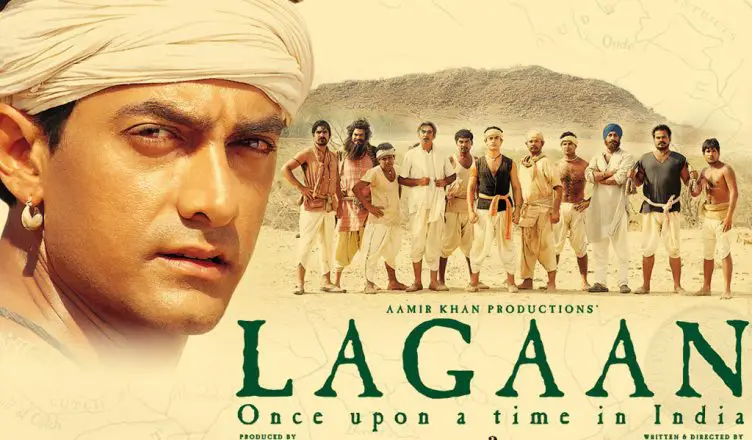
Lagaan: Once Upon a Time in India – A Cinematic Masterpiece

ranchosantafenow.net – “Lagaan: Once Upon a Time in India” is a landmark film in the history of Indian cinema. Directed by Ashutosh Gowariker and released in 2001, this epic sports drama combines elements of history, culture, and the universal appeal of sports to deliver a compelling narrative. The film is set in the late 19th century during the British Raj and tells the story of a small Indian village’s struggle against oppressive colonial rule, using cricket as their unlikely weapon.

Plot Overview

The film is set in the fictional village of Champaner in central India. The villagers are burdened by high taxes, known as “lagaan,” imposed by their British rulers. When Captain Andrew Russell, the arrogant British officer, challenges the villagers to a cricket match, he offers a deal: if the villagers win, they will be exempt from taxes for three years; if they lose, they must pay triple the tax. The story follows Bhuvan, played by Aamir Khan, as he rallies his fellow villagers to take on the seemingly impossible task of learning and winning the game of cricket.

Themes and Symbolism

“Lagaan” explores several themes, including resilience, unity, and the fight against injustice. It portrays the cultural clash between the Indian villagers and British colonizers, using cricket as a metaphor for resistance and empowerment. The film also highlights the importance of teamwork and perseverance in the face of adversity.

Cinematic Excellence

The film is renowned for its meticulous attention to detail, from the authentic depiction of rural Indian life to the thrilling cricket sequences. The cinematography by Anil Mehta captures the vibrant landscape and emotions of the era beautifully. The music, composed by A.R. Rahman, complements the narrative perfectly, blending traditional Indian sounds with cinematic grandeur.

Critical Acclaim and Impact

“Lagaan” received widespread critical acclaim and was a commercial success. It was nominated for the Academy Award for Best Foreign Language Film, bringing international recognition to Indian cinema. The film’s universal themes and engaging storytelling have made it a favorite among audiences worldwide.

Conclusion

“Lagaan: Once Upon a Time in India” is more than just a sports drama; it is a powerful tale of courage, hope, and the human spirit. Its enduring legacy continues to inspire filmmakers and audiences alike, making it a true cinematic masterpiece.