The Wicked Dreams of Paula Schultz (1968)

ranchosantafenow.net – “The Wicked Dreams of Paula Schultz,” released in 1968, is a comedic film directed by George Marshall. Starring Elke Sommer, Bob Crane, and Werner Klemperer, the movie blends humor with the political tensions of the Cold War era. Set against the backdrop of divided Germany, this film offers a whimsical take on a serious period in history. This article explores the film’s plot, characters, and its unique place in the comedy genre.

Plot Overview

The film centers around Paula Schultz, played by Elke Sommer, an East German Olympic athlete who decides to defect to the West. Her daring escape involves hurdling over the Berlin Wall, a move that sets off a series of comedic events. Paula finds herself entangled with a group of American expatriates, including Bill Mason, played by Bob Crane. As the East German authorities, led by Werner Klemperer’s character Klaus, pursue Paula, she navigates a world of espionage, romance, and slapstick humor.

Characters and Performances

Elke Sommer shines as Paula Schultz, bringing a blend of charm, athleticism, and comedic timing to the role. Her portrayal of an athlete caught between two worlds is both endearing and humorous. Bob Crane complements Sommer with his performance as Bill Mason, providing a balance of wit and charisma. Werner Klemperer, known for his role in “Hogan’s Heroes,” adds to the comedic tension as the persistent and bumbling antagonist.

Cinematic Elements

Directed by George Marshall, “The Wicked Dreams of Paula Schultz” employs classic comedic elements, including slapstick, mistaken identities, and witty dialogue. The film’s vibrant cinematography captures the contrast between East and West Germany, enhancing the comedic absurdity of the situation. The score, composed by Charles Albertine, adds a playful tone, accentuating the film’s lighthearted approach to the Cold War setting.

Impact and Legacy

While not as widely known as other films of its time, “The Wicked Dreams of Paula Schultz” remains a unique entry in the comedy genre, particularly for its humorous take on Cold War themes. The film reflects the era’s cultural tensions while providing a comedic escape, showcasing the versatility of comedy in addressing serious topics. Its quirky narrative and engaging performances continue to attract viewers interested in classic comedies.

Conclusion

In conclusion, “The Wicked Dreams of Paula Schultz” offers a humorous and entertaining exploration of Cold War dynamics through the lens of comedy. With its engaging plot, memorable characters, and clever direction, the film stands as a testament to the power of humor in storytelling. Whether you’re a fan of classic cinema or interested in historical comedies, “The Wicked Dreams of Paula Schultz” provides a delightful and amusing cinematic experience.
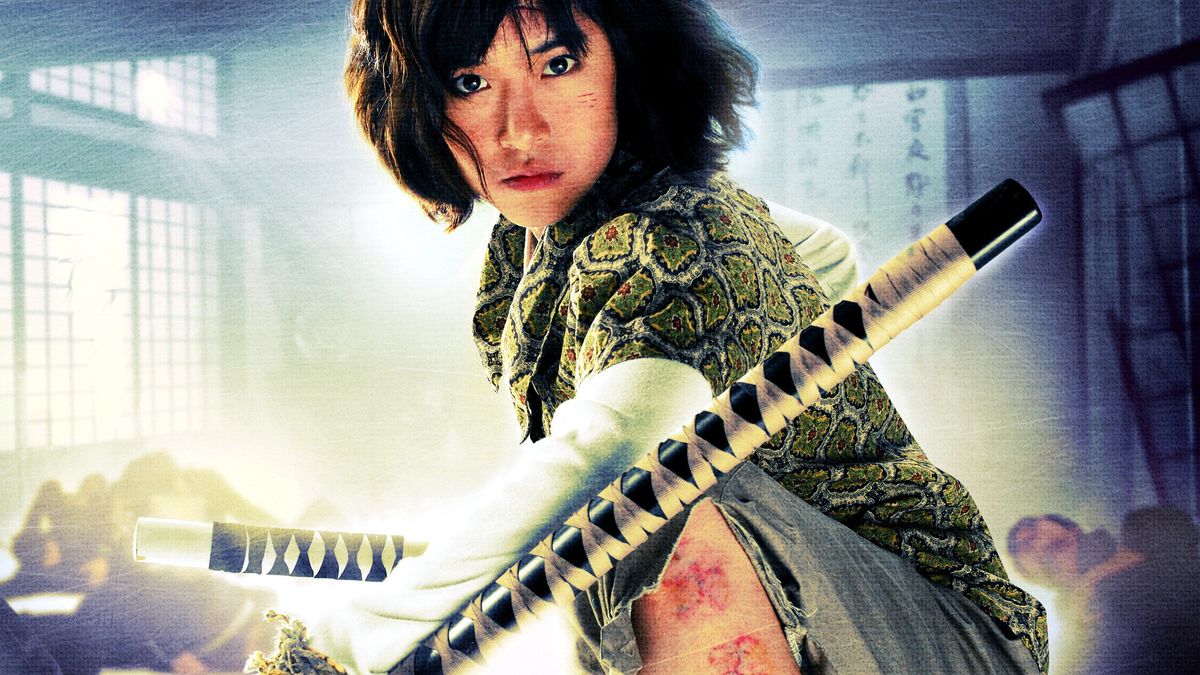
Introduction to “Chocolate” (2008) – Plot Overview

ranchosantafenow.net – “Chocolate” is a 2008 Thai martial arts film directed by Prachya Pinkaew, known for his work on the critically acclaimed “Ong-Bak” series. This film is notable for its high-octane action sequences and the remarkable debut performance of its lead actress, JeeJa Yanin. The film combines martial arts with a heartfelt storyline, creating a unique cinematic experience that has captivated audiences worldwide.

Plot Overview

The story revolves around Zen, a young autistic girl with extraordinary martial arts abilities. Zen is raised next to a Muay Thai boxing studio, and she absorbs the skills she observes. Her mother, Zin, is a former lover of a Thai mob boss, whose criminal activities become a central conflict in the narrative. When Zin becomes seriously ill, Zen embarks on a journey to collect debts from ruthless gang members to pay for her mother’s medical treatment. This quest leads to numerous intense confrontations, showcasing Zen’s martial arts prowess.

Characters and Performances

JeeJa Yanin portrays Zen with a compelling mix of vulnerability and strength. Her performance is a standout, especially considering this was her first major film role. The film also features Hiroshi Abe and Pongpat Wachirabunjong, who deliver strong supporting performances. The characters are well-developed, and their interactions add depth to the storyline.

Martial Arts and Action Sequences

“Chocolate” is celebrated for its choreographed fight scenes, which are both innovative and exhilarating. The film employs a realistic style of combat, avoiding wirework and CGI, which adds authenticity to the action. JeeJa Yanin’s physicality and skill are central to these sequences, demonstrating her dedication and talent in martial arts.

Themes and Reception

The film explores themes of family, loyalty, and the struggle against adversity. It highlights the challenges faced by those living on the fringes of society, depicted through Zen’s journey and her relationship with her mother. “Chocolate” was well-received by audiences and critics alike, praised for its action, storytelling, and JeeJa Yanin’s breakthrough performance. It has since become a cult favorite among martial arts film enthusiasts.

Conclusion

“Chocolate” (2008) is a remarkable film that blends action and emotion, delivering a powerful story through dynamic martial arts sequences. Its unique protagonist and heartfelt narrative make it a standout entry in the genre, solidifying Prachya Pinkaew’s reputation as a master of action cinema. The film remains a must-watch for fans of martial arts and those interested in seeing a different take on the action film genre.

The Terminator: A Timeless Sci-Fi Masterpiece

ranchosantafenow.net – “The Terminator,” directed by James Cameron and released in 1984, is a landmark film in the science fiction genre. Combining elements of action, thriller, and dystopian future, it introduced audiences to an unforgettable narrative and iconic characters. The film’s impact on popular culture and its lasting influence on the sci-fi genre make it a timeless masterpiece.

Plot Overview

Set in a bleak future where machines have taken over the world, “The Terminator” tells the story of a cyborg assassin, portrayed by Arnold Schwarzenegger, sent back in time from 2029 to 1984. His mission is to kill Sarah Connor, played by Linda Hamilton, the mother of the future leader of the human resistance. To protect her, Kyle Reese, a soldier from the future, is also sent back in time. The ensuing battle between human and machine unfolds in a gripping narrative that explores themes of fate, survival, and technology’s potential dangers.

Character Development

Arnold Schwarzenegger’s portrayal of the relentless and emotionless Terminator became one of his most iconic roles. His performance, characterized by minimal dialogue and an imposing physical presence, brought a chilling realism to the character. Meanwhile, Linda Hamilton’s transformation from a vulnerable waitress into a determined survivor set a new standard for female protagonists in action films. Michael Biehn’s portrayal of Kyle Reese added depth to the story, highlighting the human element in the struggle against the machines.

Themes and Influence

“The Terminator” delves into themes of technological advancement and its potential consequences. The film raises questions about artificial intelligence, the ethics of technological progress, and the concept of destiny versus free will. Its exploration of these themes has resonated with audiences and inspired countless films, books, and discussions about the future of technology.

Cultural Impact

Since its release, “The Terminator” has become a cultural phenomenon. It spawned a successful franchise, including sequels, television series, and comic books. Phrases like “I’ll be back” have entered the lexicon, and the film’s innovative special effects and storytelling techniques have influenced filmmakers for decades.

Conclusion

“The Terminator” remains a seminal work in science fiction cinema. Its compelling story, memorable characters, and thought-provoking themes have ensured its place in film history. As technology continues to evolve, the film’s cautionary tale about the power and potential peril of machines remains relevant, captivating new generations of viewers.