The Immortal Bachelor (1975): A Cinematic Exploration

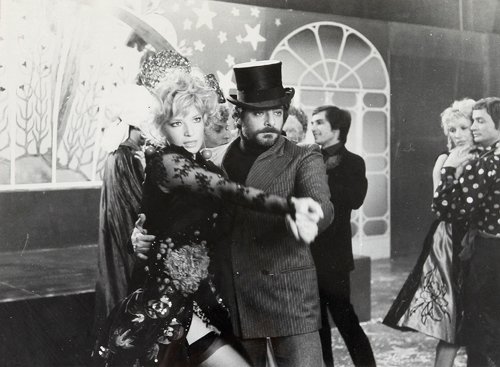
ranchosantafenow.net – “The Immortal Bachelor” (Italian: “A mezzanotte va la ronda del piacere”), also known as “Midnight Pleasures” or “Midnight Lovers,” is a 1975 Italian film directed by Marcello Fondato. Featuring a star-studded cast including Claudia Cardinale, Vittorio Gassman, and Monica Vitti, the film blends elements of drama and comedy to explore themes of love, fidelity, and societal expectations.

Plot Overview

The film revolves around Gabriella, portrayed by Claudia Cardinale, a woman summoned as a juror in the trial of Tina (played by Monica Vitti), a cleaning woman accused of murdering her husband, Gino. Throughout the trial, the film delves into the complexities of Tina’s relationship with Gino, highlighting issues of domestic violence and infidelity. As the trial unfolds, Gabriella’s own life and marriage are subtly mirrored in Tina’s story, prompting her to reflect on her personal circumstances.

Characters and Performances

Claudia Cardinale delivers a nuanced performance as Gabriella, capturing the character’s internal struggle and empathy for Tina. Monica Vitti, known for her comedic prowess, brings depth and emotion to the role of Tina, effectively portraying a woman caught in a difficult and oppressive relationship. Vittorio Gassman adds to the film’s dynamic with his portrayal of Andrea, Gabriella’s husband, providing a counterpoint to the unfolding drama.

Direction and Cinematic Style

Marcello Fondato’s direction is characterized by a seamless blend of comedic and dramatic elements. The film’s narrative structure, interweaving Gabriella’s perspective with the courtroom drama, allows for a rich exploration of its themes. The cinematography captures the nuances of the characters’ lives, using both intimate and expansive shots to convey their emotional landscapes.

Themes and Social Commentary

“The Immortal Bachelor” addresses themes of love, fidelity, and the roles assigned to women in society. Through Tina’s trial, the film critiques societal norms that often trap women in unhappy or abusive relationships. Additionally, it reflects on the idea of judgment, both in the legal sense and in personal relationships, urging viewers to consider the complexities beneath surface-level appearances.

Critical Reception and Legacy

Upon its release, “The Immortal Bachelor” was noted for its strong performances and engaging narrative. The film’s unique blend of comedy and drama, alongside its incisive social commentary, has contributed to its enduring appeal. While not as widely known internationally, it remains a significant work within Italian cinema, appreciated for its thoughtful exploration of personal and societal issues.

Conclusion

“The Immortal Bachelor” is a compelling film that combines humor and drama to explore deep themes of love, fidelity, and societal expectations. With its talented cast and insightful direction, the film offers a poignant reflection on the complexities of human relationships, making it a valuable piece of cinematic art.
Platoon (1986): A Cinematic Journey into the Vietnam War

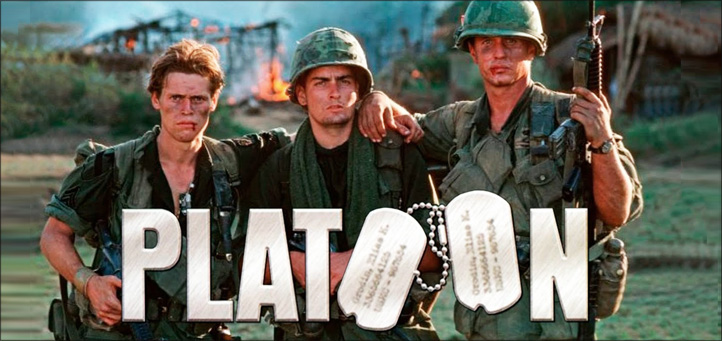
ranchosantafenow.net – Released in 1986, Platoon is a war drama film directed by Oliver Stone that provides a raw and authentic portrayal of the Vietnam War. The film is notable for its intense depiction of the physical and psychological challenges faced by soldiers during one of the most controversial conflicts in American history. Platoon was a critical and commercial success, winning four Academy Awards, including Best Picture.

Plot Overview

Platoon follows Chris Taylor, a young and idealistic college dropout who volunteers for combat duty in Vietnam. Played by Charlie Sheen, Taylor is quickly thrust into the brutal realities of warfare. The film captures his journey as he navigates the chaos of battle and the moral ambiguities of war. The platoon is divided by internal conflicts, mainly between two sergeants: the compassionate and morally driven Sergeant Elias (Willem Dafoe) and the ruthless and hardened Sergeant Barnes (Tom Berenger).

Themes and Motifs

At its core, Platoon explores the duality of man and the moral complexities inherent in warfare. The characters of Elias and Barnes symbolize the opposing forces of good and evil within the human spirit. The film delves into the psychological impact of war on soldiers and the loss of innocence experienced by the young men sent to fight in Vietnam.

Authenticity and Impact

Oliver Stone, a Vietnam veteran himself, infused Platoon with a sense of authenticity that resonated with audiences and critics alike. The film’s unflinching depiction of the Vietnam War challenged previous portrayals and provided a more personal and realistic perspective. It opened discussions about the ethical dimensions of war and the experiences of the soldiers who fought in Vietnam.

Critical Reception and Legacy

Upon its release, Platoon was hailed for its powerful storytelling and realistic portrayal of combat. It received numerous accolades, including four Academy Awards: Best Picture, Best Director for Oliver Stone, Best Sound, and Best Film Editing. The film’s success paved the way for a wave of Vietnam War movies in the late 1980s and early 1990s.

Platoon remains a significant work in the war film genre, praised for its honest and gripping portrayal of the Vietnam War. It continues to be studied and discussed for its artistic achievements and its impact on the perception of the Vietnam conflict.

“The Raid 2” (2014): A Cinematic Masterpiece from Indonesia

ranchosantafenow.net – “The Raid 2,” a 2014 Indonesian action thriller film directed by Gareth Evans, is the sequel to the critically acclaimed “The Raid: Redemption” (2011). Known for its intense action sequences and intricate storytelling, “The Raid 2” elevates the genre with its rich narrative and stunning choreography. This article explores the film’s plot, production, and impact on the global stage.

Plot Overview

The film picks up shortly after the events of its predecessor, following Rama, a rookie cop who survived the brutal apartment raid. Rama is coerced into going undercover to infiltrate a powerful crime syndicate and uncover corruption within the police force. The story delves deeper into the criminal underworld, exploring themes of loyalty, betrayal, and revenge. “The Raid 2” expands the universe with new characters and a more complex plot, offering a thrilling journey through Jakarta’s criminal landscape.

Cinematic Excellence

Choreography and Action Sequences

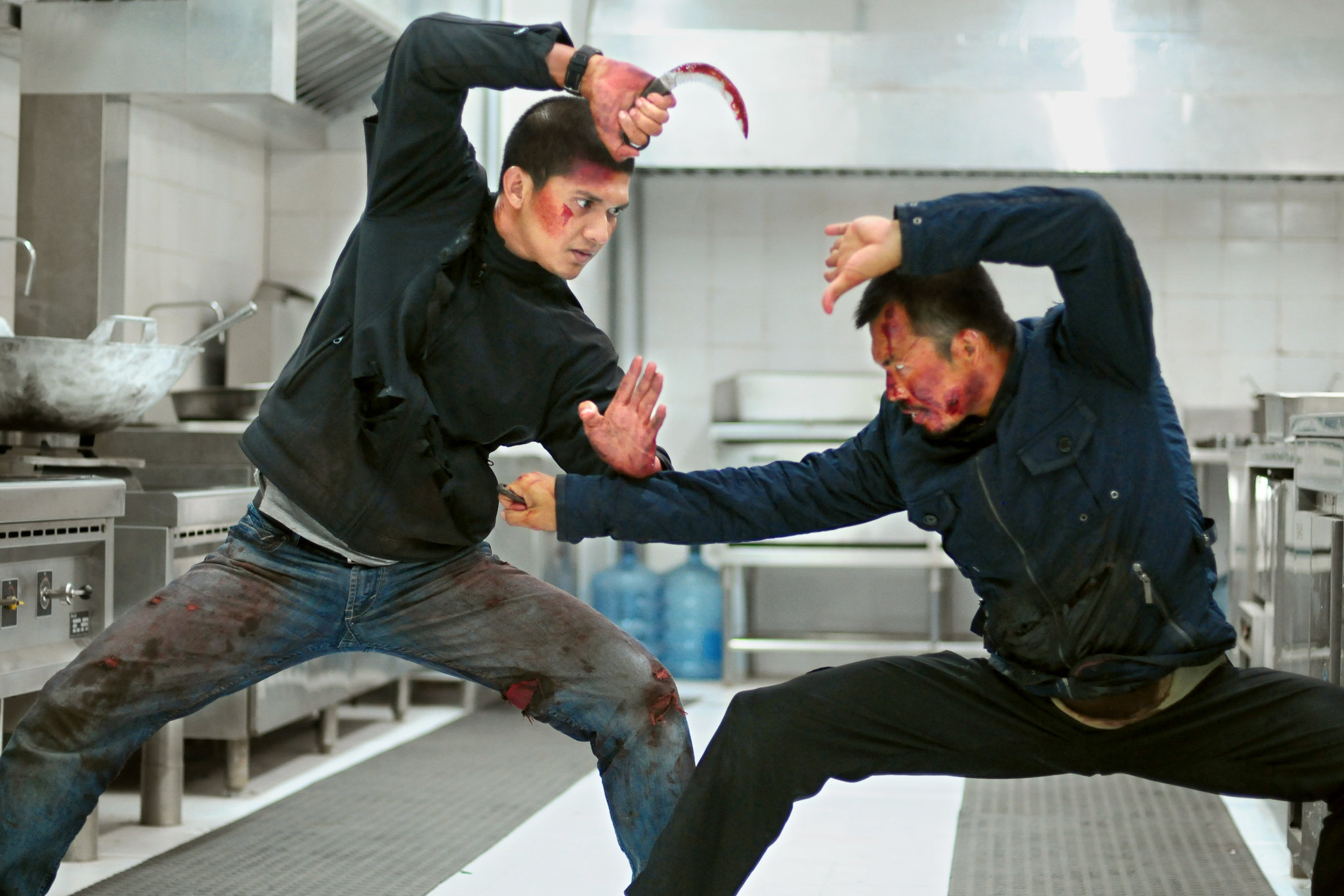
One of the standout features of “The Raid 2” is its meticulously crafted action sequences. The film showcases Pencak Silat, a traditional Indonesian martial art, through breathtaking fight scenes that are both brutal and visually captivating. The choreography, led by Iko Uwais and Yayan Ruhian, is a testament to the film’s dedication to authenticity and intensity.

Direction and Cinematography

Gareth Evans’ direction is a crucial element that elevates the film. His ability to blend high-octane action with a compelling narrative ensures that viewers remain engaged throughout the movie. The cinematography by Matt Flannery and Dimas Imam Subhono captures the gritty atmosphere of Jakarta while highlighting the raw energy of the action scenes.

Production and Challenges

Filming “The Raid 2” was a massive undertaking, with a significantly larger budget and scope compared to its predecessor. The production involved complex set pieces, including a memorable prison riot scene and a thrilling car chase. The film’s ambitious nature presented logistical challenges, but the dedication of the cast and crew resulted in a polished and impactful final product.

Reception and Legacy

Critical Acclaim

“The Raid 2” received widespread acclaim from critics and audiences alike. It was praised for its innovative action sequences, character development, and storytelling. Many consider it one of the best action films of the 21st century, highlighting its influence on the genre.

Influence on Global Cinema

The film’s success cemented Gareth Evans’ reputation as a visionary director and brought international attention to Indonesian cinema. It inspired filmmakers worldwide to explore new directions in action filmmaking, emphasizing practical effects and choreography over CGI.

Conclusion

“The Raid 2” is more than just a sequel; it’s a cinematic triumph that showcases the potential of Indonesian cinema on the global stage. With its gripping narrative, exceptional choreography, and groundbreaking direction, the film has left an indelible mark on the action genre. Whether you’re a fan of martial arts or a lover of compelling stories, “The Raid 2” is a must-watch film that continues to resonate with audiences around the world.

The Missing Picture: A Journey Through Cambodia’s Dark Past

ranchosantafenow.net – “The Missing Picture” is a powerful documentary by Cambodian filmmaker Rithy Panh, which poignantly explores the atrocities committed during the Khmer Rouge regime in Cambodia. This film stands out not only for its content but also for its unique storytelling approach, blending archival footage with clay figurines to depict the harrowing experiences of those years.

Background

Directed and co-written by Rithy Panh, “The Missing Picture” delves deep into the filmmaker’s personal experiences during the Khmer Rouge’s rule from 1975 to 1979. Panh, who lived through the genocide that claimed the lives of nearly a quarter of Cambodia’s population, uses this film as a means to fill the gaps in historical records with his own memories and interpretations6.

Unique Storytelling

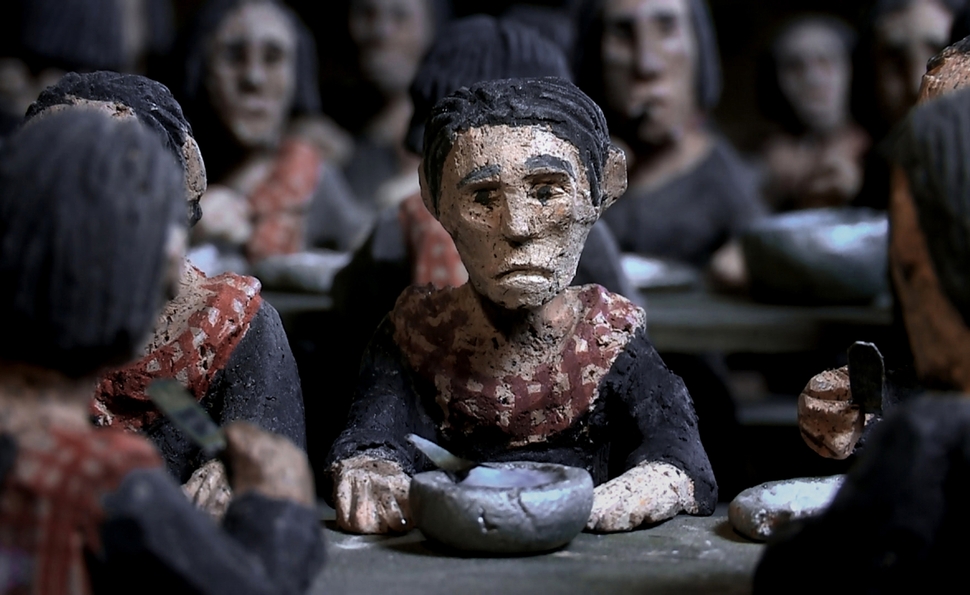
The film’s most striking feature is its use of clay dioramas. These clay figures are employed to recreate scenes of daily life under the Khmer Rouge, offering a stark contrast to the archival footage of propaganda films from the regime. This artistic choice not only compensates for the lack of available footage but also provides a deeply personal and evocative representation of the past9.

Critical Acclaim

“The Missing Picture” received significant acclaim worldwide, securing the Un Certain Regard prize at the Cannes Film Festival. It also became the first Cambodian film to be nominated for an Academy Award, highlighting its international impact and the universal resonance of its themes3.

Themes and Impact

At its core, “The Missing Picture” is a meditation on memory, loss, and the power of storytelling. It challenges viewers to reflect on the nature of historical truth and the role of art in preserving and interpreting the past. By sharing his personal narrative, Panh not only memorializes those lost but also educates new generations about the dangers of totalitarian regimes6.

Conclusion

“The Missing Picture” is more than a documentary; it is a testament to the resilience of the human spirit in the face of profound suffering. Through its innovative use of art and personal narrative, the film offers an essential perspective on Cambodia’s history, ensuring that the stories of those who suffered are not forgotten.

Lagaan: Once Upon a Time in India – A Cinematic Masterpiece

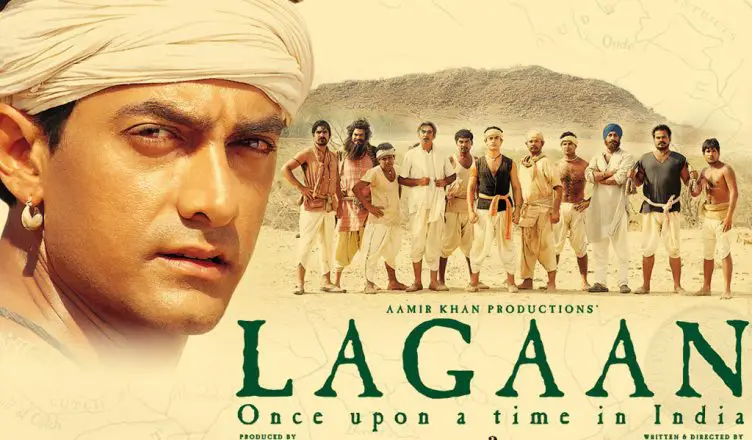
ranchosantafenow.net – “Lagaan: Once Upon a Time in India” is a landmark film in the history of Indian cinema. Directed by Ashutosh Gowariker and released in 2001, this epic sports drama combines elements of history, culture, and the universal appeal of sports to deliver a compelling narrative. The film is set in the late 19th century during the British Raj and tells the story of a small Indian village’s struggle against oppressive colonial rule, using cricket as their unlikely weapon.

Plot Overview

The film is set in the fictional village of Champaner in central India. The villagers are burdened by high taxes, known as “lagaan,” imposed by their British rulers. When Captain Andrew Russell, the arrogant British officer, challenges the villagers to a cricket match, he offers a deal: if the villagers win, they will be exempt from taxes for three years; if they lose, they must pay triple the tax. The story follows Bhuvan, played by Aamir Khan, as he rallies his fellow villagers to take on the seemingly impossible task of learning and winning the game of cricket.

Themes and Symbolism

“Lagaan” explores several themes, including resilience, unity, and the fight against injustice. It portrays the cultural clash between the Indian villagers and British colonizers, using cricket as a metaphor for resistance and empowerment. The film also highlights the importance of teamwork and perseverance in the face of adversity.

Cinematic Excellence

The film is renowned for its meticulous attention to detail, from the authentic depiction of rural Indian life to the thrilling cricket sequences. The cinematography by Anil Mehta captures the vibrant landscape and emotions of the era beautifully. The music, composed by A.R. Rahman, complements the narrative perfectly, blending traditional Indian sounds with cinematic grandeur.

Critical Acclaim and Impact

“Lagaan” received widespread critical acclaim and was a commercial success. It was nominated for the Academy Award for Best Foreign Language Film, bringing international recognition to Indian cinema. The film’s universal themes and engaging storytelling have made it a favorite among audiences worldwide.

Conclusion

“Lagaan: Once Upon a Time in India” is more than just a sports drama; it is a powerful tale of courage, hope, and the human spirit. Its enduring legacy continues to inspire filmmakers and audiences alike, making it a true cinematic masterpiece.