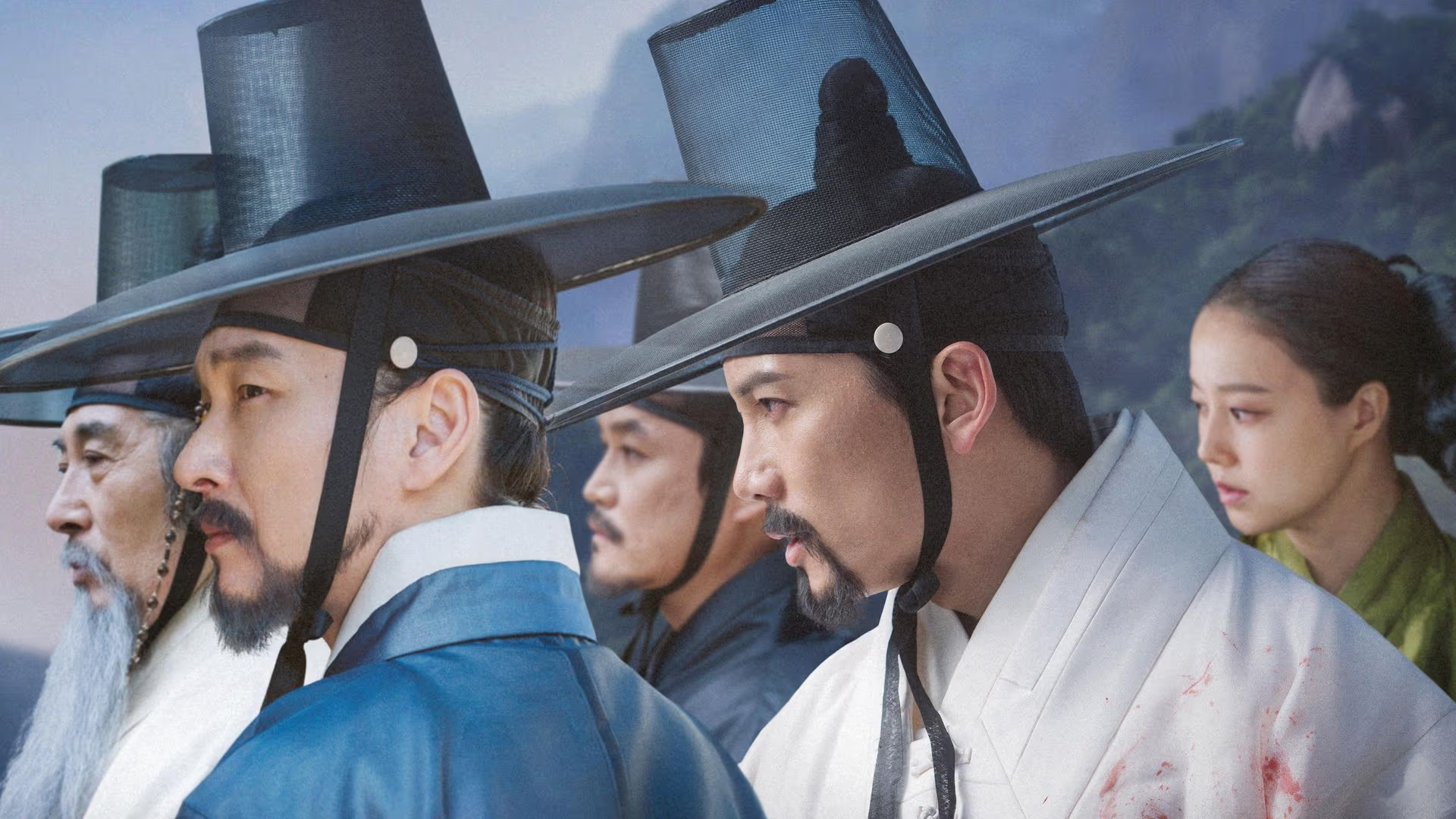
ranchosantafenow.net – “Fengshui” (Korean: 명당; Myeongdang), released in 2018, is a South Korean historical drama film directed by Park Hee-gon. Set during the Joseon Dynasty, the film revolves around the practice of feng shui, or geomancy, the ancient art of arranging structures and objects in relation to the flow of energy (qi) to harmonize with the natural environment. “Fengshui” weaves a tale of ambition, power struggles, and the belief that the fate of individuals and nations can be influenced by the location of their ancestral graves.
The Belief in Feng Shui in Joseon Korea
Feng shui held significant cultural importance in Joseon Korea, deeply ingrained in the beliefs and practices of the people. It was believed that the location of burial sites, in particular, could have a profound impact on the fortunes of descendants. “Fengshui” explores this belief system, showcasing the intricate principles and practices associated with geomancy.
Park Jae-sang: A Genius Geomancer with a Tragic Past
The film’s protagonist, Park Jae-sang (Cho Seung-woo), is a highly skilled geomancer. He possesses an exceptional ability to identify auspicious locations, known as “myeongdang,” which are believed to bring good fortune. However, Jae-sang is also haunted by a tragic past, having lost his family due to the misuse of feng shui by powerful individuals.
A Struggle for Power and Influence
The film depicts a power struggle between different factions within the royal court, each seeking to secure the most auspicious burial sites for their ancestors. They believe that by controlling these “myeongdang,” they can influence the future of the nation and consolidate their own power. Jae-sang becomes entangled in this conflict, as his expertise in feng shui makes him a valuable asset to those vying for control.
Themes of Ambition, Greed, and the Influence of Fate
“Fengshui” explores several compelling themes:
- Ambition and Greed: The film portrays the corrupting influence of ambition and greed, showing how the desire for power and wealth can lead individuals to commit unethical and even violent acts.
- The Power of Belief and Tradition: The film delves into the power of belief systems and the influence of tradition on human behavior. The characters’ unwavering faith in feng shui drives their actions and shapes their destinies.
- The Interplay of Fate and Free Will: “Fengshui” raises questions about the extent to which human lives are predetermined by fate and the degree to which individuals have the power to shape their own destinies.
Visual Aesthetics and Historical Setting
The film is visually stunning, with beautiful cinematography that captures the natural landscapes and historical settings of Joseon Korea. The attention to detail in the costumes, architecture, and cultural practices further enhances the film’s authenticity.
A Blend of Historical Drama and Suspense
“Fengshui” effectively blends elements of historical drama and suspense. The political intrigue and power struggles within the royal court create a sense of tension and anticipation, while the focus on feng shui adds a unique and intriguing dimension to the narrative.
A Reflection on Human Nature and the Pursuit of Fortune
“Fengshui” is more than just a historical drama; it is a reflection on human nature and the enduring pursuit of fortune and power. The film’s exploration of ambition, greed, and the influence of belief systems makes it a thought-provoking and engaging cinematic experience. While some viewers might find the pacing deliberate, the film’s strengths lie in its atmospheric visuals, strong performances, and exploration of a fascinating aspect of Korean culture and history. It provides a glimpse into a world where the earth itself held the key to power and prosperity, and where the ambitions of men could have far-reaching consequences.
