Gen X in the Workplace: Balancing Tradition & Innovation

ranchosantafenow.net – In today’s rapidly evolving work environment, each generation brings its unique set of values, skills, and perspectives. Generation X, often referred to as the “middle child” between Baby Boomers and Millennials, plays a crucial role in bridging the gap between tradition and innovation in the workplace. Born between 1965 and 1980, Gen Xers have witnessed significant cultural and technological shifts, shaping their approach to work and life. This article explores how they balance traditional values with innovative thinking, and how they contribute to a dynamic workplace.

Embracing Change While Valuing Stability

Gen Xers grew up during a time of significant societal change, including the rise of personal computing and the internet. This exposure to technological advancements has made them adaptable and open to change, qualities essential in today’s fast-paced work environment. However, they also value stability and security, often prioritizing long-term career development over frequent job changes. This dual perspective allows them to implement new ideas while maintaining a strong foundation built on reliability and consistency.

Leadership Style: A Blend of Authority and Collaboration

In leadership roles, Gen Xers often exhibit a blend of authority and collaboration. They respect traditional hierarchical structures but also understand the importance of fostering a collaborative and inclusive work culture. This balance is crucial, as it encourages innovation while ensuring that organizational goals are met. Gen X leaders are typically open to input from younger employees, recognizing the value of diverse perspectives in driving progress.

Technological Adaptability and Skill Development

Having witnessed the transition from analog to digital, Gen Xers are adept at navigating technological changes. They are often self-taught, having learned to adapt to new tools and systems as they emerged. This adaptability is a significant asset, as they can bridge the gap between older and newer generations of employees, facilitating smoother transitions and effective knowledge transfer.

Work-Life Balance: Advocating for Flexibility

Gen Xers were among the first to champion the concept of work-life balance, seeking to prioritize personal well-being alongside professional success. They understand the importance of flexibility in the workplace, advocating for policies that support remote work and flexible hours. This emphasis on balance contributes to a healthier, more productive work environment, benefiting employees across all generations.

The Future Role of Gen X in the Workplace

As Gen X continues to occupy key positions in the workforce, their ability to balance tradition with innovation will remain crucial. By leveraging their unique experiences and perspectives, they can guide organizations through change while ensuring continuity. Their role as mentors and leaders will be instrumental in fostering an inclusive and forward-thinking workplace culture.

In conclusion, Generation X embodies a harmonious blend of tradition and innovation, making them invaluable contributors to the modern workplace. Their ability to adapt, lead, and innovate positions them as key players in shaping the future of work. As organizations continue to navigate the challenges of a rapidly changing world, the insights and experiences of Gen X will be essential in driving sustained success and growth.
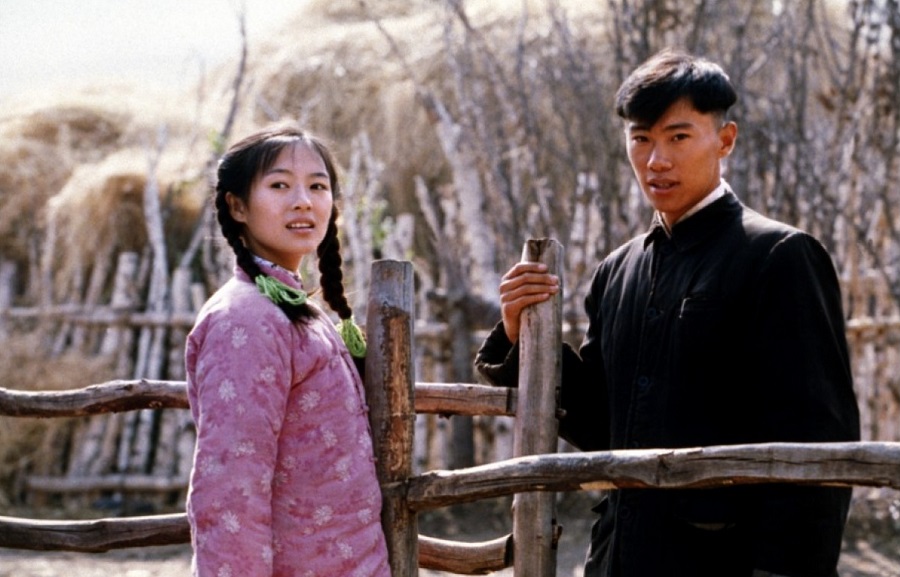
The Road Home (1999): A Timeless Tale of Love & Tradition

ranchosantafenow.net – “The Road Home” (1999) is a poignant romantic drama directed by acclaimed Chinese filmmaker Zhang Yimou. With its heartfelt narrative and captivating visuals, the film has left a lasting impression on audiences worldwide. Set in rural China, it beautifully explores themes of love, memory, and the enduring connection to one’s roots.

Synopsis

The film begins with the return of a city businessman, Luo Yusheng, to his native village upon learning of his father’s passing. His father, the village’s beloved teacher, requested a traditional funeral, prompting Yusheng to reflect on the deep love story between his parents. As the narrative unfolds, the story shifts between past and present, visually distinguishing the memories of a vibrant past in color and the somber present in black and white.

Characters and Performances

Zhang Ziyi delivers a standout performance as the young Zhao Di, a spirited village girl who falls in love with the new schoolteacher. Her portrayal of innocence and unwavering devotion brings a profound emotional depth to the film. Zheng Hao, who plays the young teacher, captures the quiet strength and integrity of a man deeply committed to his students and community.

Visuals and Cinematography

Zhang Yimou is renowned for his ability to create visually stunning films, and “The Road Home” is no exception. The film’s cinematography, handled by Hou Yong, captures the breathtaking landscapes of rural China, enhancing the narrative with vibrant colors and sweeping vistas. The visual storytelling complements the film’s emotional core, drawing viewers into the world of the characters.

Themes and Symbolism

At its heart, “The Road Home” is a love story that transcends time. It explores the themes of tradition, familial bonds, and the passage of time. The road itself symbolizes both a physical journey and an emotional one, representing the path that leads us back to our origins and reminds us of what truly matters in life.

Conclusion

“The Road Home” is a masterful blend of storytelling and visual artistry, showcasing Zhang Yimou’s exceptional talent as a filmmaker. Its timeless tale of love, memory, and tradition continues to resonate with audiences, making it a cherished classic in world cinema. Whether you’re a fan of romantic dramas or a lover of beautifully crafted films, “The Road Home” offers an unforgettable cinematic experience.

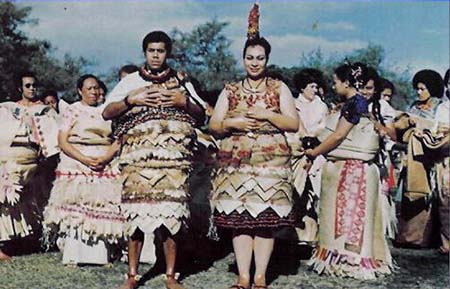
Tongan Nobility: The Intersection of Tradition & Modernity

ranchosantafenow.net – The Kingdom of Tonga, an archipelago nation in the South Pacific, is a unique blend of ancient traditions and modern governance. Central to its societal structure is the concept of nobility, which has evolved significantly over the years, reflecting the ongoing tension between traditional practices and modern democratic reforms. This article explores the historical and contemporary roles of Tongan nobility, examining their privileges, responsibilities, and the challenges they face in a rapidly changing world.

Historical Context and Traditional Privileges

Tongan nobility, known as the “nobles of the realm,” trace their lineage back to the ancient chiefdoms that governed the islands. The nobility system was formalized in 1875 by King George Tupou I, who introduced significant reforms aimed at stabilizing the kingdom and aligning it with Western practices Traditionally, nobles held significant power, controlling land and labor as titled heads of their respective chiefdoms. They also played a crucial role in the governance of the kingdom, with many holding high-ranking positions in the government and the royal court

Modern Challenges and Democratic Reforms

The advent of democratic reforms in Tonga has significantly altered the power dynamics within the nobility. The Tongan Constitution, while still granting considerable privileges to nobles, has also introduced elements of equality and representation that challenge the traditional dominance of the nobility in political affairs Recent years have seen a reduction in the direct political power of the nobility, particularly in Parliament, where their influence has diminished

The New Nobility and Political Reforms

In response to these changes, a new generation of nobles has emerged, often referred to as the “new nobility.” These young leaders are advocating for political reforms that would modernize the nobility system and make it more responsive to the needs of the common people. They are actively engaging in public discourse and political activities, aiming to bridge the gap between traditional authority and modern governance

Conclusion

The Tongan nobility represents a fascinating case study of how traditional institutions adapt to modern pressures. While the nobility retains significant influence in Tongan society, its role is increasingly shaped by democratic reforms and the demands of a modern, globalized world. As Tonga continues to navigate this delicate balance between tradition and modernity, the nobility will undoubtedly play a crucial role in shaping the future of the kingdom.

This exploration of Tongan nobility highlights the complexities of cultural preservation and political evolution in a small island nation striving to maintain its identity while embracing change. The ongoing dialogue between the nobility and the broader Tongan society is a testament to the resilience and adaptability of Tongan culture.